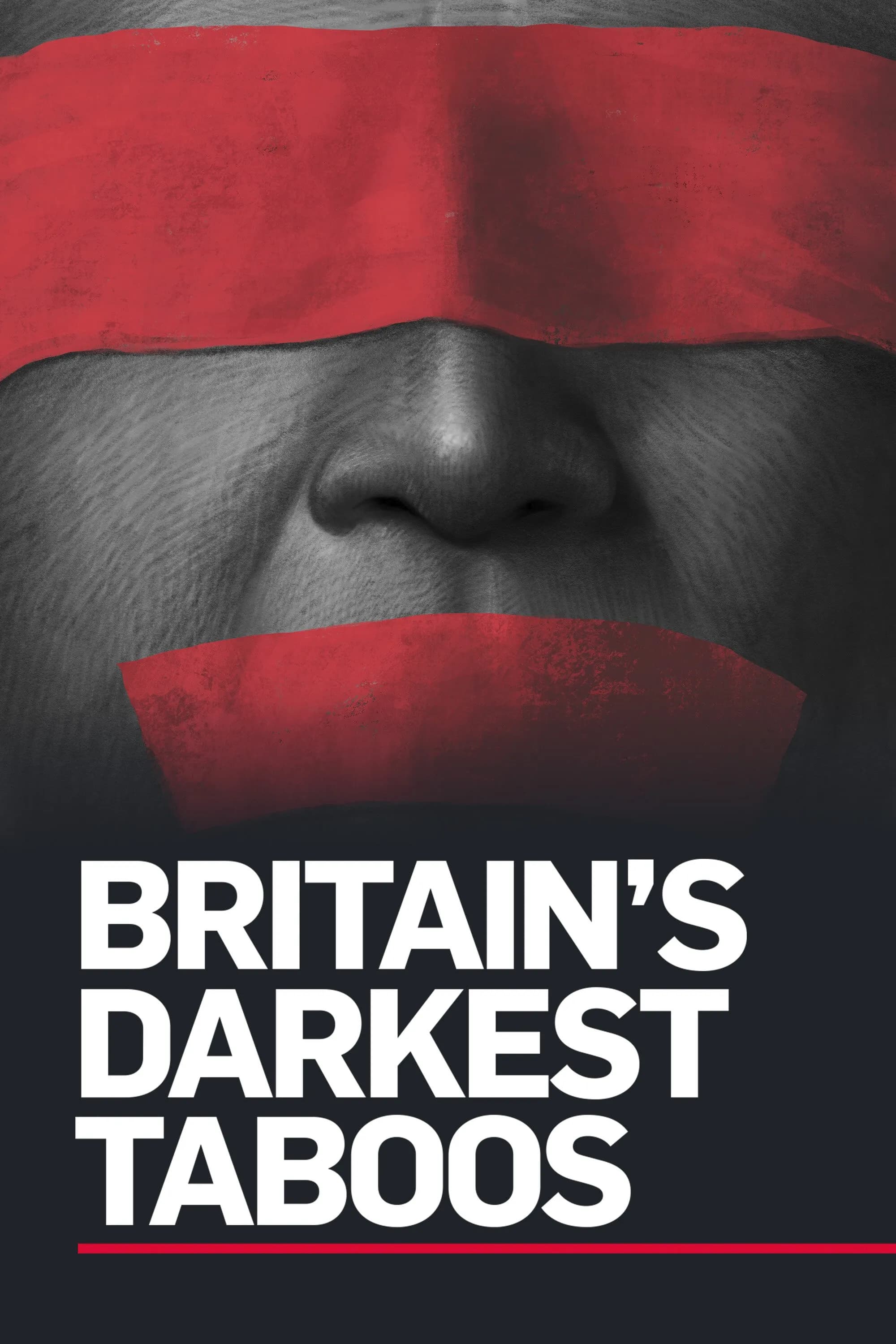
Britain's Darkest Taboos
Pluto TV / Prime Video, 2012 — shocking crimes within families and relationships across the UK
What Is Britain's Darkest Taboos?
Britain's Darkest Taboos is a British reality documentary series that examines some of the most disturbing and emotionally harrowing crimes ever committed on UK soil — crimes made all the more shocking because they were perpetrated by family members, partners, and trusted intimates. Rather than focusing on a single case, the series takes an episodic approach: each instalment presents a different criminal case, drawing on first-hand testimony from victims' families, friends, and those whose lives were forever altered by the crimes in question.
Premièring on 7 November 2012 in the United Kingdom, the series has run for multiple seasons — including at least through Season 6 — and is available to stream on platforms including Pluto TV, Prime Video, Inside Crime, Sky Go, and Crime+ Investigation Play. It holds an IMDb rating of 7.4/10 based on 157 ratings, reflecting a loyal and engaged true crime audience.
The Cases
Because Britain's Darkest Taboos is an anthology series, its power lies in the cumulative weight of its case studies rather than in a single narrative. Several cases stand out as emblematic of what the series does best.
Jack and Paul Throssell — Death by Fire
One of the most emotionally devastating episodes features the deaths of Jack and Paul Throssell, two brothers who perished in a house fire deliberately started by their own father. Their mother, Claire Throssell, was informed of the fire and rushed to the hospital, where she faced the unimaginable reality that her children had been killed by the man who was supposed to protect them.
What makes this case particularly harrowing — and legally significant — is that Jack Throssell's dying testimony directly confirmed that his father had started the fire on purpose. That statement from a dying child became a cornerstone of the case against the perpetrator. Claire Throssell has since become a prominent advocate for children's safety in the context of domestic abuse and family court proceedings, lending the episode a broader social dimension that extends well beyond the crime itself.
Jamie Reynolds and the Murder of Georgia Williams
Another case featured in the series involves Jamie Reynolds, who murdered Georgia Williams and disposed of her body in woodland. In a move that prolonged the agony of her family, Reynolds initially refused to tell police where Georgia's body had been dumped. The case is a sobering illustration of how killers can weaponise information — using the location of a victim's remains as a final act of control and cruelty.
The Georgia Williams case attracted significant media attention in the United Kingdom, and its inclusion in the series reflects the programme's commitment to covering crimes that expose the darkest impulses concealed within ordinary social relationships.
The Murder of Tia
Season 3, Episode 1 of the series covers the murder of Tia — a case in which family members share first-hand accounts of loss and the search for justice. While full details of this episode are best explored through the series' official Channel 5 page, it exemplifies the format's central strength: allowing those closest to victims to speak directly to the camera, making the human cost of violent crime visceral and impossible to dismiss.
Format and Production
The series is built around testimonial interviews with the people most affected by each crime — parents, siblings, friends, and survivors. This approach distinguishes it from purely reconstructive true crime formats and gives the programme an intimacy that can be almost unbearable to watch.
Two recurring experts anchor the analytical dimension of the series: former Detective Superintendent David Swindle, who provides law enforcement perspective on the cases, and psychologist Emma Kenny, who offers insight into the psychological profiles of perpetrators and the trauma experienced by victims and their families. Their contributions ensure that episodes do not become purely sensational, grounding each story in professional analysis.
The director of the series is not identified in publicly available sources, and production company details remain limited. What is clear is that the production team secured exceptional access to grieving families willing to share their stories — a feat that requires both sensitivity and trust.
You can view official clips and episode previews on the series' YouTube playlist and individual episode previews such as this clip featuring the Throssell case and this preview of further episodes.
Reception
Britain's Darkest Taboos has earned a dedicated following within the true crime community. Its IMDb rating of 7.4/10 — based on 157 user ratings — suggests that viewers find it consistently compelling rather than exploitative. Audience feedback frequently highlights the series' willingness to present crimes in unflinching detail without losing sight of the human beings at the centre of each story.
The series has been praised for giving a platform to survivors and bereaved families who might otherwise struggle to have their voices heard in mainstream media. Critics of the true crime genre sometimes raise concerns about the ethics of re-opening wounds for entertainment purposes; Britain's Darkest Taboos has largely navigated this tension by keeping the testimony of those affected at the heart of each episode rather than prioritising dramatic reconstruction.
No specific formal controversies have been documented in available sources, though the subject matter — crimes perpetrated by parents, partners, and trusted figures — inevitably provokes strong emotional reactions from viewers.
The Cases Today
The social issues raised by Britain's Darkest Taboos remain deeply relevant. The Throssell case, for example, has had a lasting impact on public debate around domestic abuse and the family courts in the United Kingdom. Claire Throssell became a campaigner — her sons' deaths helping to drive scrutiny of how the justice system handles cases where children are at risk from abusive parents.
Jamie Reynolds was convicted of the murder of Georgia Williams and received a whole-life order, meaning he will never be released. His case is often cited in discussions about the warning signs of predatory behaviour and the dangers of minimising violence within social networks.
With the series now available across multiple streaming platforms including Pluto TV, Prime Video, and Crime+ Investigation Play, new generations of viewers continue to encounter these cases — keeping public memory of the victims alive and sustaining pressure for systemic change in how Britain identifies, prosecutes, and prevents crimes committed behind closed doors.