Gun Trace Task Force
Baltimore police unit at the centre of a major US police corruption scandal
The Gun Trace Task Force (GTTF) was a police unit within the Baltimore Police Department in the United States, established in 2007 with the stated purpose of combating illegal firearms and gun-related crime in the city. The unit was not a court or a prosecuting authority, but an operational investigative unit that gathered evidence and made arrests within the framework of US criminal law.
GTTF has since become synonymous with one of the largest police corruption scandals in recent American history. Several of the unit's officers were charged and convicted in a federal criminal case for a wide range of offences committed while on duty: extortion, robbery of civilians, unlawful searches without a warrant, falsification of police reports and systematic overtime fraud. The officers used their badges and powers for personal enrichment, including by stealing cash and narcotics from the very citizens they were meant to protect.
The federal prosecution of the GTTF officers sent shockwaves through the Baltimore Police Department and raised serious questions about internal controls, oversight and public trust in the police in a city already marked by deep distrust between citizens and the authorities.
GTTF is directly connected to the case of the killing of Baltimore officer Sean Suiter in November 2017. Suiter was shot and killed the day before he was scheduled to testify in a federal case linked to a GTTF supervisor. The timing has made GTTF a central element in the debate over whether Suiter's death was suicide or homicide, and whether his forthcoming testimony may have motivated others to silence him.
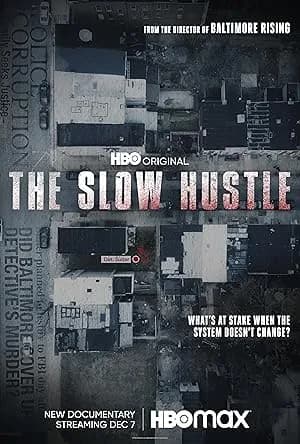
In true crime contexts such as the documentary series The Slow Hustle and analyses of the Sean Suiter case, GTTF is used as a framework for understanding the institutional decay and the culture of impunity that for years characterised parts of the Baltimore police.