Cartel
Understanding their brutal methods, power structures, and the dark side of organized crime
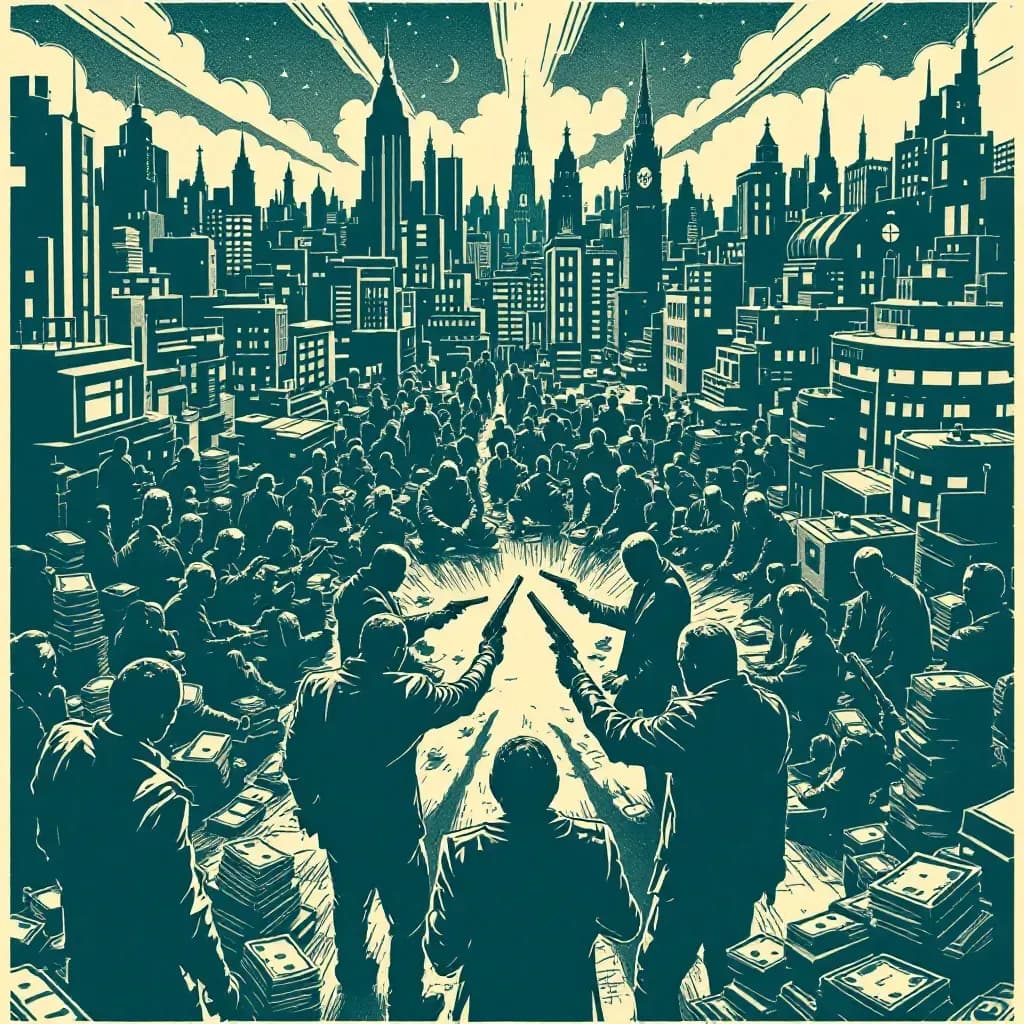
Definition
Brutal power, narco-empires, global violence. Understand what a cartel is, how they operate, and their central role in true crime cases.
Understanding their brutal methods, power structures, and the dark side of organized crime
What is a cartel: Organized crime and power defined
Within the true crime universe, a cartel typically denotes a brutal and hierarchically structured form of organized crime. It is an association of criminal groups or individuals who collaborate to achieve dominance in an illicit market, most often involving drug trafficking (narcotics), arms dealing, or human smuggling. The primary goal of such a criminal network is to eliminate competition, control prices, and thereby maximize profit. These objectives are often pursued through extreme violence, systematic corruption, and deep infiltration of societal structures, cementing cartels' role as central and feared actors in many true crime narratives.
From narco-empires to threat: How cartels operate
These criminal cartels often exhibit business-like discipline, controlling entire supply chains – from production to distribution of, for example, narcotics. To enforce their power and protect their territory, they employ ruthless methods, including intimidation, extortion, and murder, which are central elements of the violence often associated with their operations. Cartels' influence often extends beyond national borders, making them complex actors in transnational crime and a significant challenge for both national police and international intelligence agencies. The enormous profits generated by a cartel are used not only for personal enrichment but also to finance extensive corruption by bribing officials, supporting further criminal operations, and for financial crimes such as laundering money through seemingly legitimate businesses. This significantly complicates investigation and subsequent prosecution.
Why cartels are a threat: Complex dynamics explained
Understanding a cartel's internal dynamics, including its power structures and internal conflicts, as well as its external impact, is essential within true crime. This is because it sheds light on the extensive networks of organized crime that can destabilize entire regions and pose a persistent threat to both local and international security. A cartel's complex structure, its ability to adapt to changing conditions, and its deep entrenchment in both the criminal underworld and sometimes in legal economic sectors, make combating these organizations a lengthy and resource-intensive task for law enforcement globally. Their consistent use of violence and widespread corruption to maintain control and evade prosecution further underscores this challenge for authorities.
Did this spark your interest? Explore cases of international drug trafficking and the brutal power struggles within cartels – find our exciting cases below.
Weiterlesen
Los Zetas Pferderennen-Geldwäsche — Drogenkartell im Rennstall
Ein mexikanisches Drogenkartell wusch Millionen Dollar durch amerikanische Quarterhorses. José Treviño Morales und Komplizen wurden 2012 verhaftet und verurteilt.
Das Cali-Kartell: Aufstieg und Fall eines Kokain-Imperiums
Das Cali-Kartell war ein kolumbianisches Drogen-Imperium, das in den 1980er und 1990er Jahren durch diskrete Methoden und massive Korruption zur Macht gelangte. Gegründet von den Rodríguez-Orejuela-Brüdern, José Santacruz Londoño und Hélmer 'Pacho' Herrera, setzte es auf Geheimhaltung statt offene Gewalt.
Camorra: Neapels blutige Mafia kontrolliert Europas Unterwelt
Die Camorra aus Napoli ist eine der mächtigsten Mafiaorganisationen Italiens. Seit 2005 kontrolliert sie weite Teile des europäischen Drogen- und Waffenhandels und hat ein globales Netzwerk aufgebaut, das bis nach China, Russland und in die USA reicht.
Verwandte Artikel
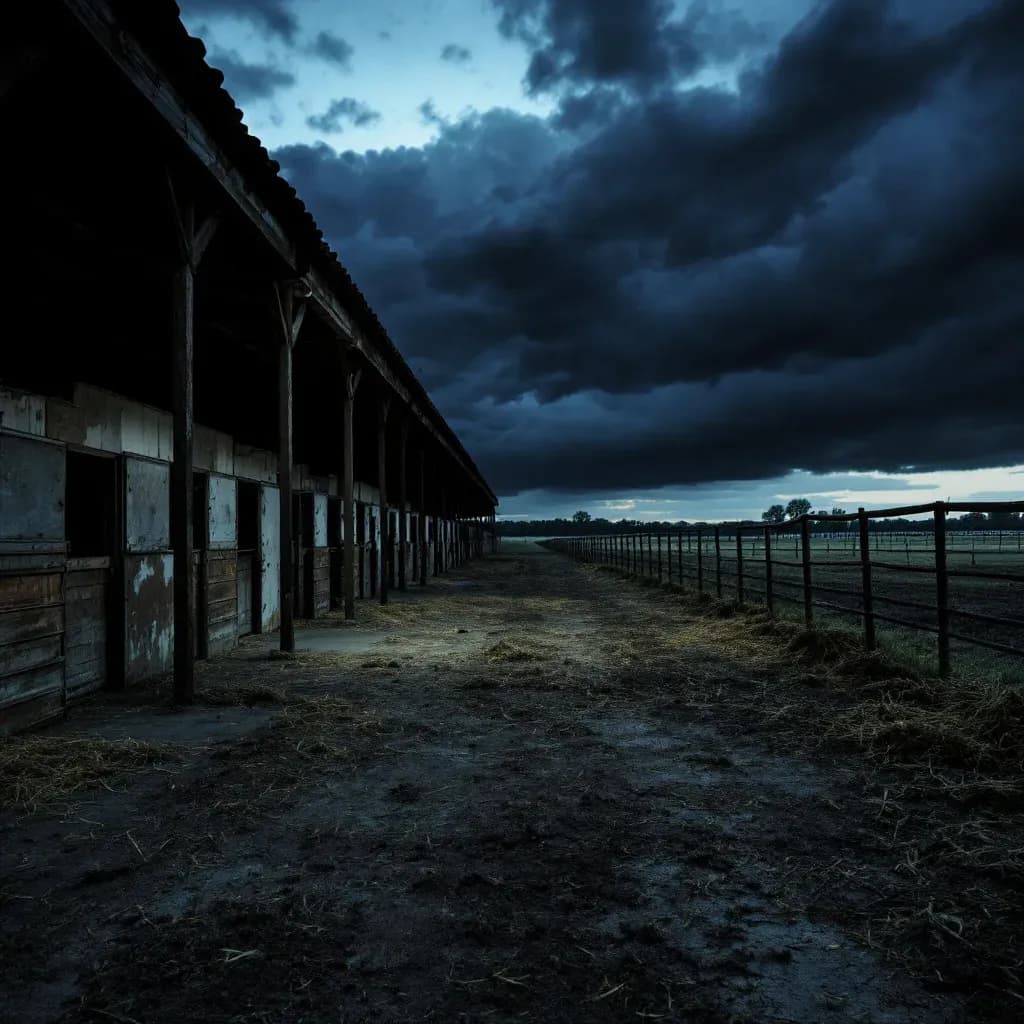
Los Zetas Pferderennen-Geldwäsche — Drogenkartell im Rennstall
Ein mexikanisches Drogenkartell wusch Millionen Dollar durch amerikanische Quarterhorses. José Treviño Morales und Komplizen wurden 2012 verhaftet und verurteilt.
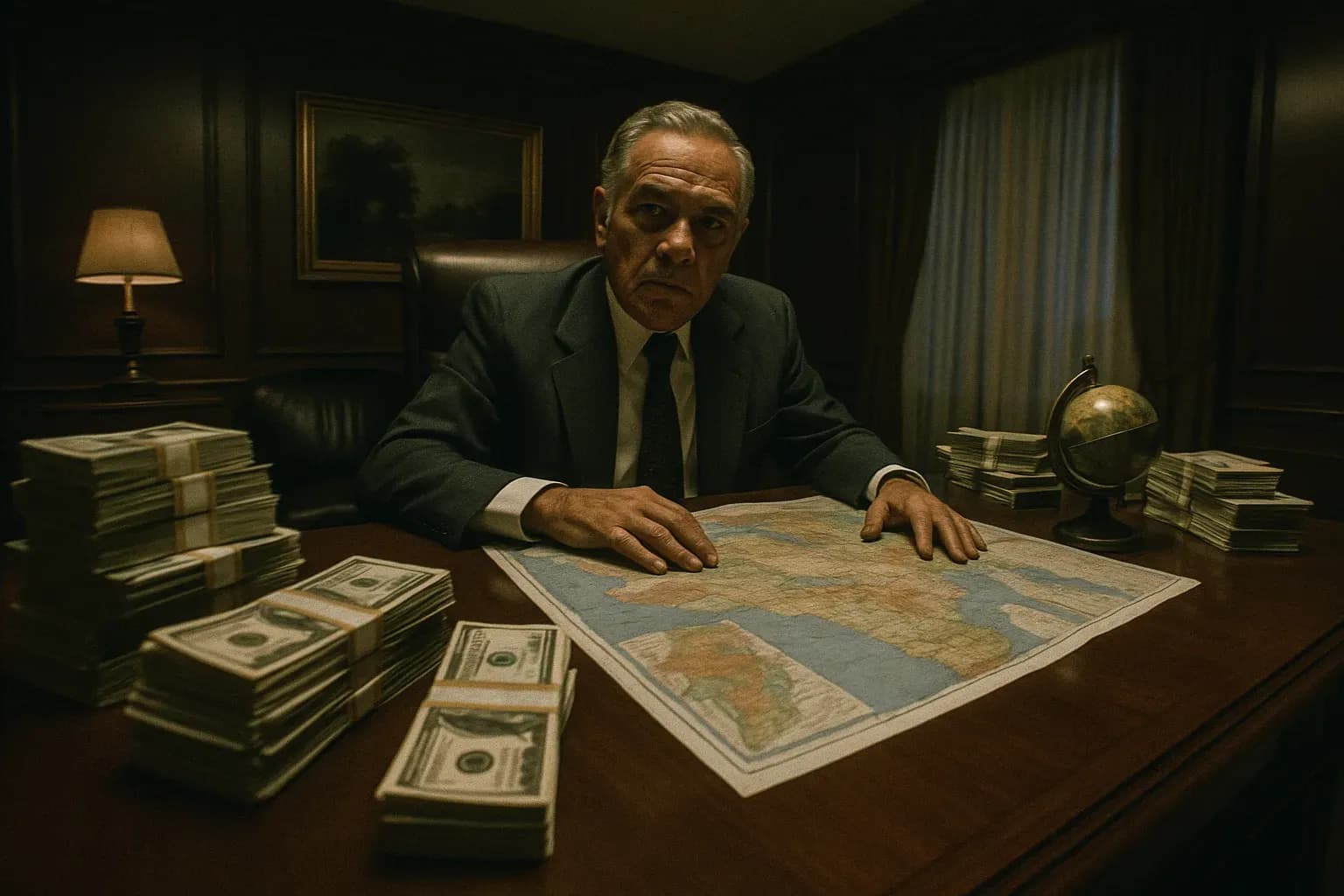
Das Cali-Kartell: Aufstieg und Fall eines Kokain-Imperiums
Das Cali-Kartell war ein kolumbianisches Drogen-Imperium, das in den 1980er und 1990er Jahren durch diskrete Methoden und massive Korruption zur Macht gelangte. Gegründet von den Rodríguez-Orejuela-Brüdern, José Santacruz Londoño und Hélmer 'Pacho' Herrera, setzte es auf Geheimhaltung statt offene Gewalt.
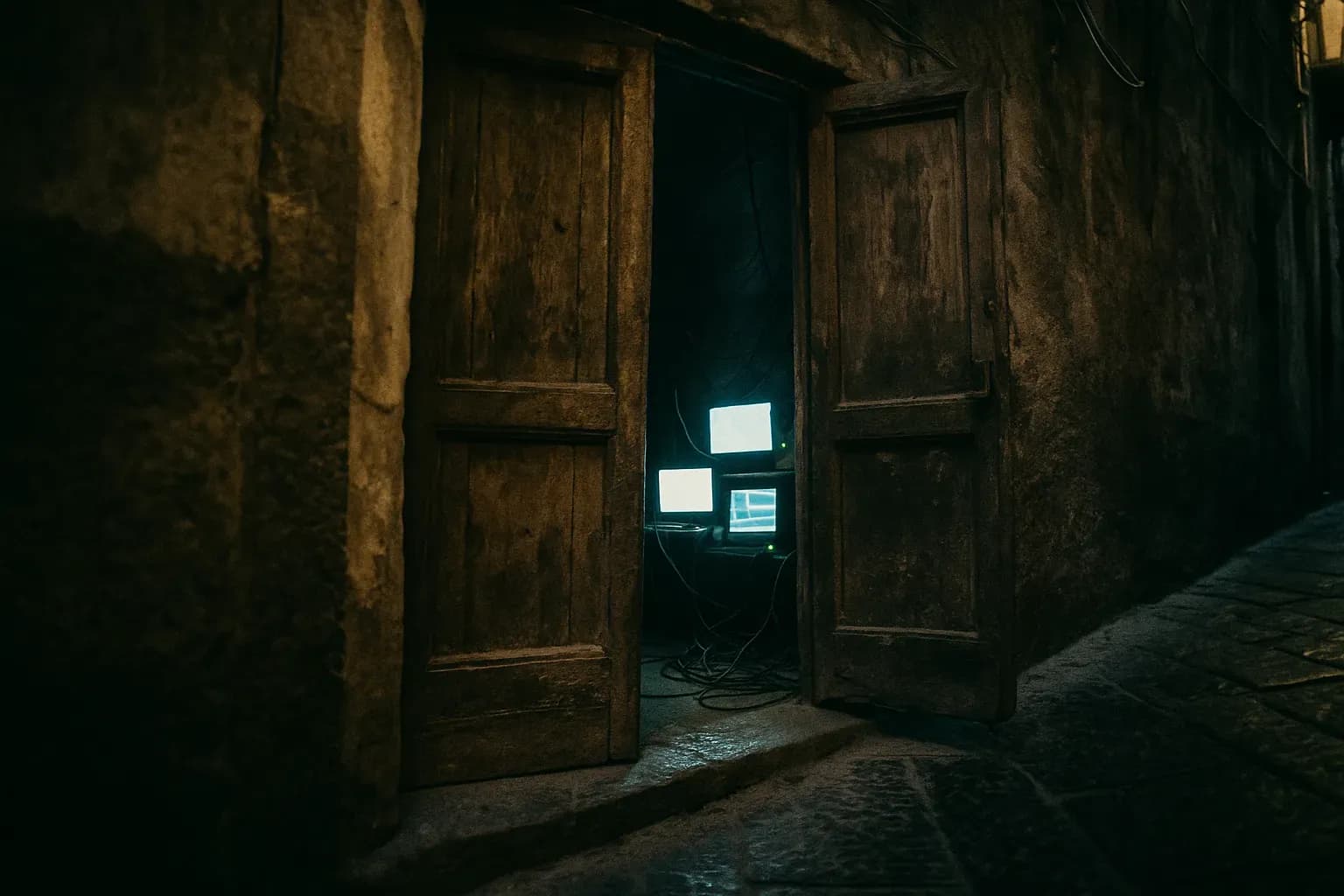
Camorra: Neapels blutige Mafia kontrolliert Europas Unterwelt
Die Camorra aus Napoli ist eine der mächtigsten Mafiaorganisationen Italiens. Seit 2005 kontrolliert sie weite Teile des europäischen Drogen- und Waffenhandels und hat ein globales Netzwerk aufgebaut, das bis nach China, Russland und in die USA reicht.
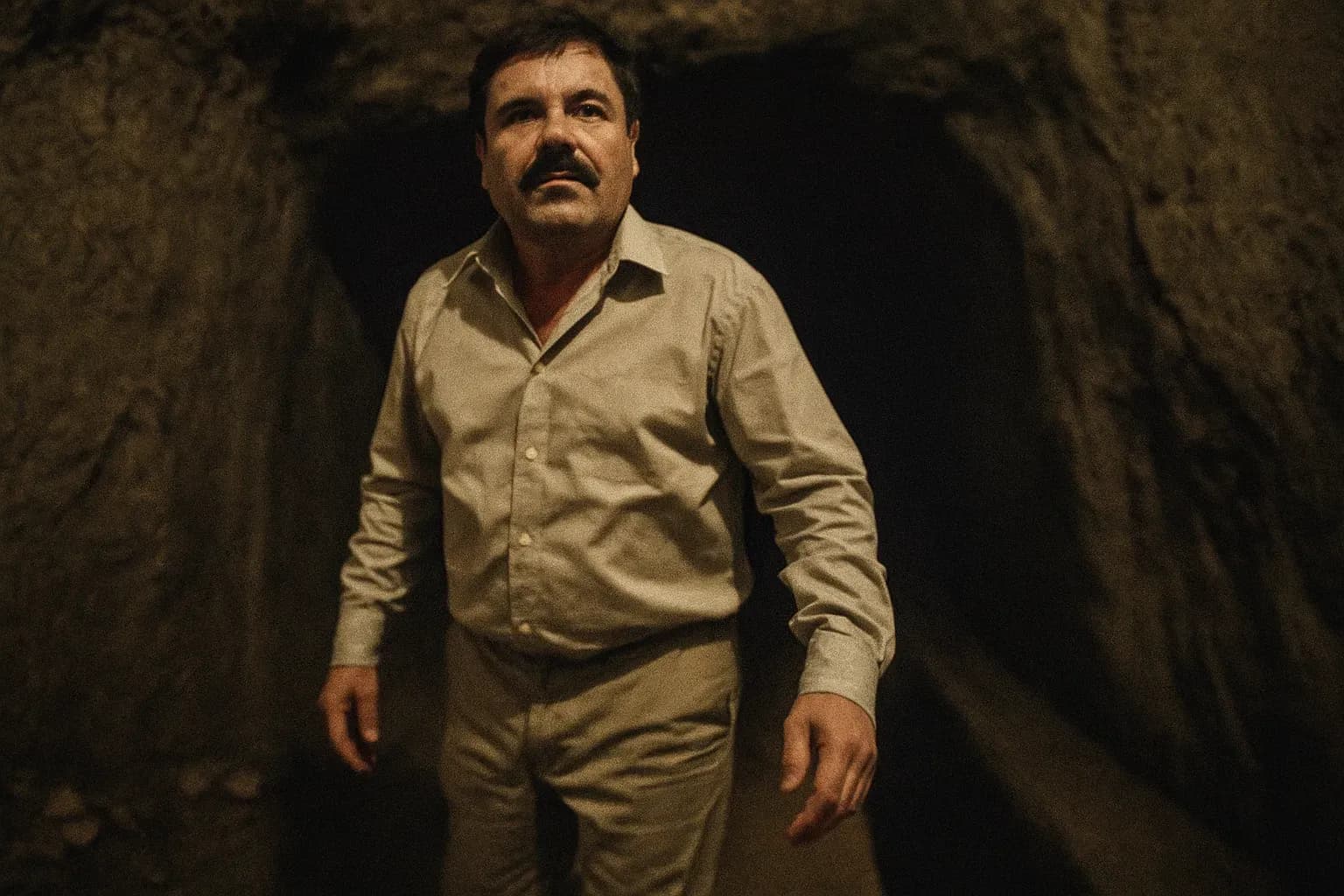
El Chapo: Vom Drogenboss zum Supermax-Häftling
Joaquín Guzmán Loera, bekannt als El Chapo, führte das Sinaloa-Kartell als mächtigster Drogenboss der Welt. Am 7. Januar 2016 endete seine Flucht vor der Justiz in einem tödlichen Einsatz mexikanischer Marineinfanteristen.
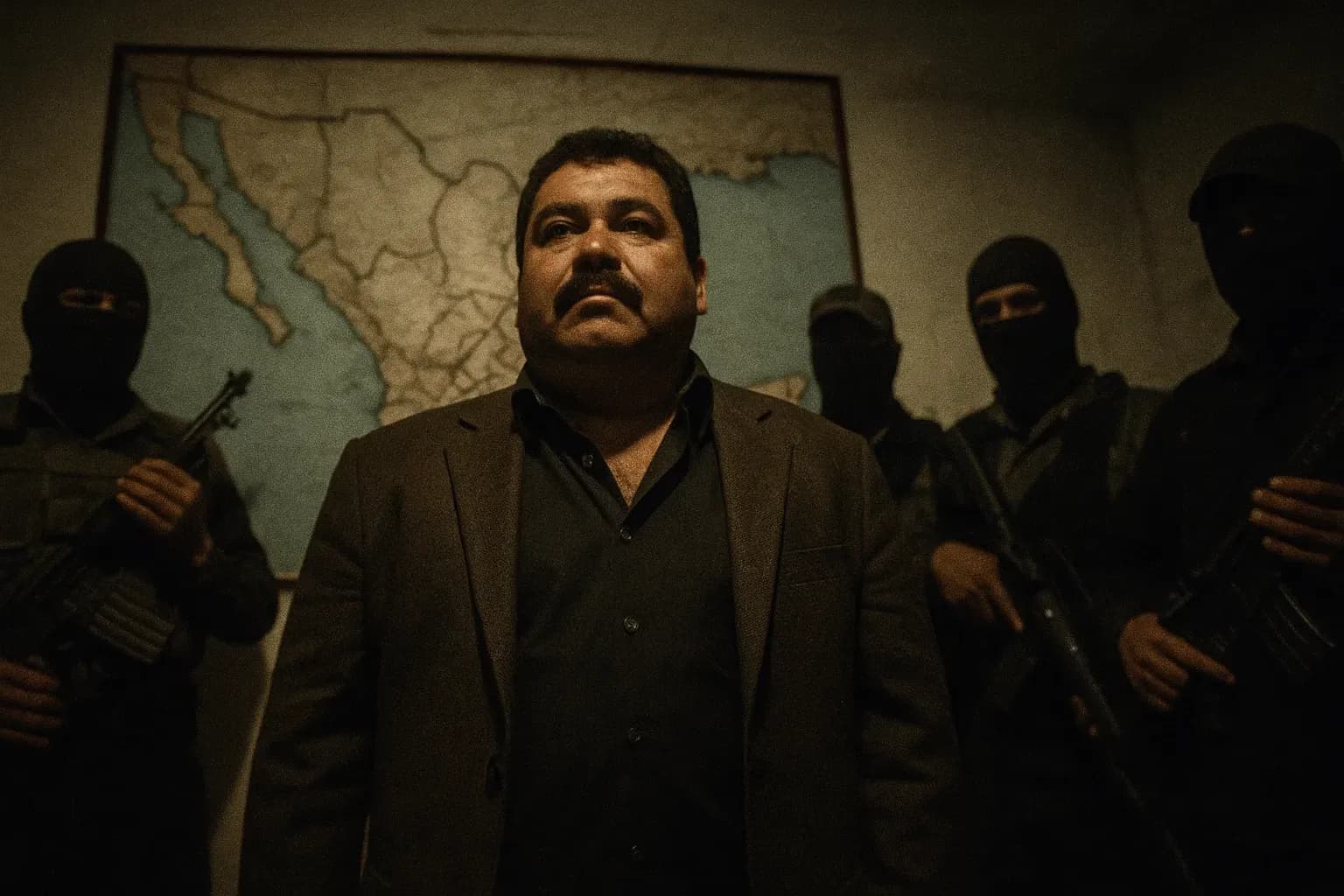
Vier US-Amerikaner von Golf-Kartell in Mexiko entführt
Im März 2023 wurden vier US-Bürger in Matamoros, Mexiko, vom Golf-Kartell entführt, nachdem sie mit haitianischen Drogenschmugglern verwechselt wurden. Zwei der Opfer wurden getötet, zwei überlebten.
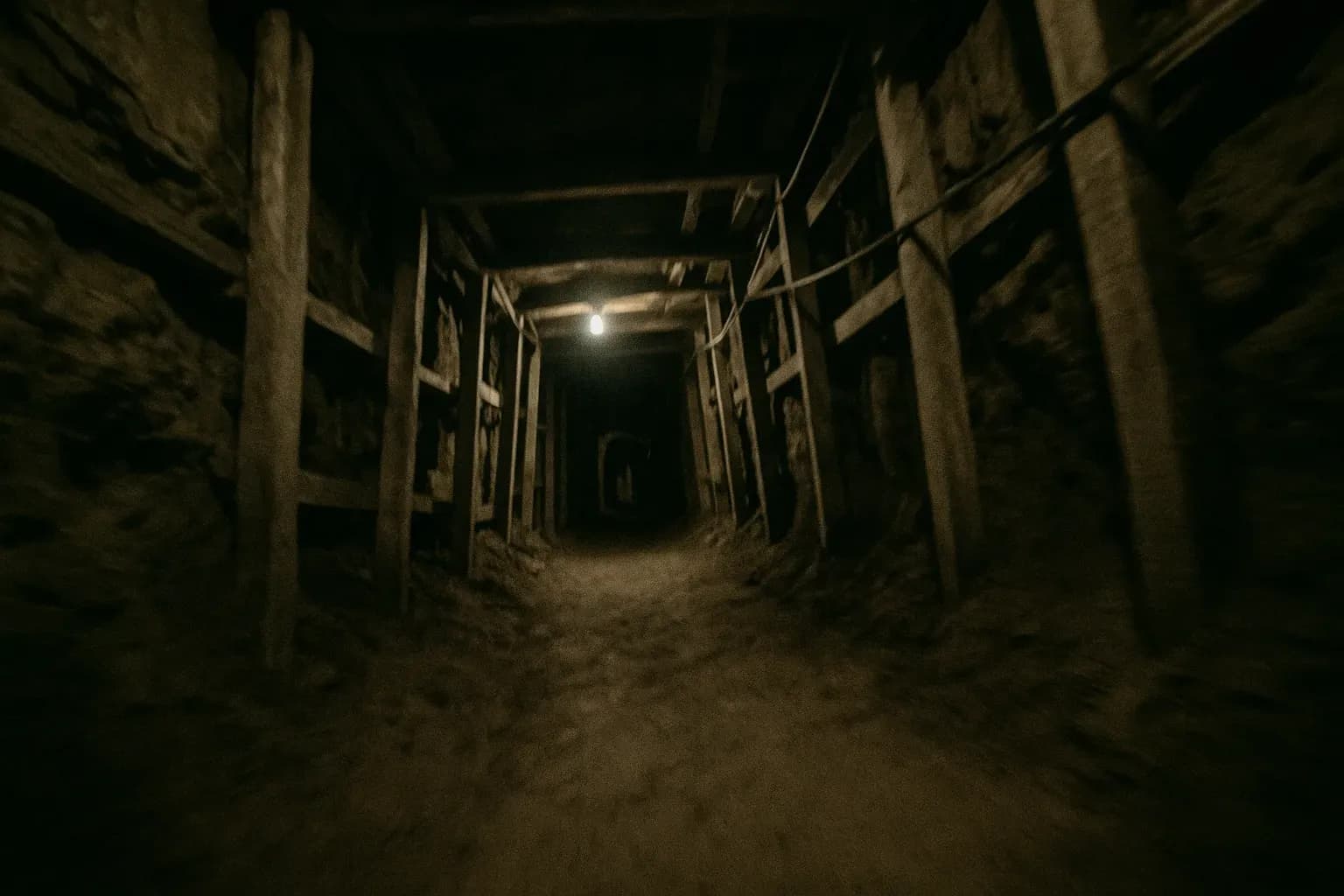
Tijuana-Kartell: Das blutige Drogen-Imperium der Familie Arellano-Félix
Die Familie Arellano-Félix errichtete in den 1980er Jahren das Tijuana-Kartell – eine der gewalttätigsten Drogenorganisationen Mexikos. Beim Massaker im Nachtclub Christine 1992 in Guadalajara ermordeten Kartell-Mitglieder drei Journalisten und mehrere Zivilisten.