disappearances
A person whose whereabouts are unknown, with no clear explanation of what happened
Definition
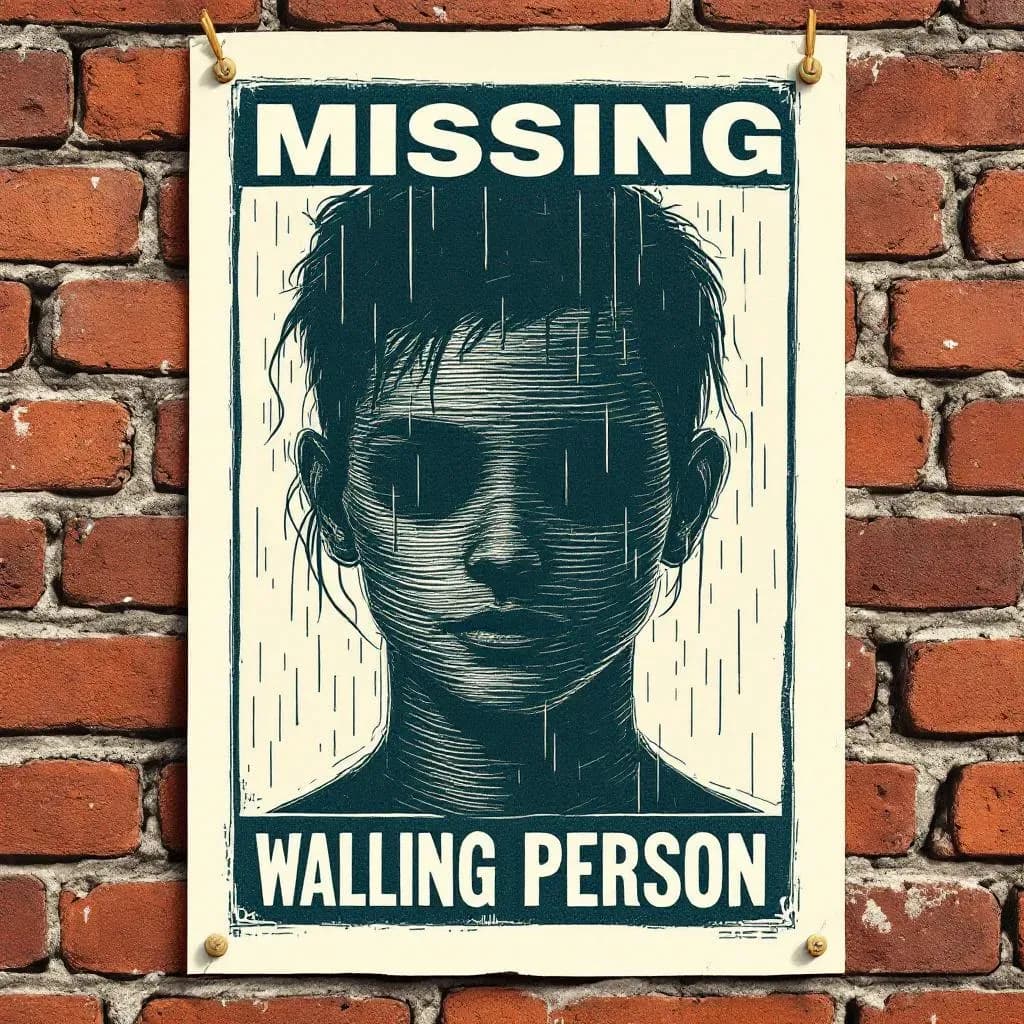
A disappearance is the situation in which a person is gone and their whereabouts are unknown, without any clear explanation of what has happened. Under Danish criminal law, the term is not an independent category of crime, but is used broadly about cases in which a person has stopped giving any sign of life and the circumstances are unclear or suspicious.
In Danish administrative law, disappearances are handled partly through the civil registration rules (CPR-reglerne), under which a person who has been searched for without result must be registered as missing in the central civil register until the person is either found again or comes forward. This registration has practical significance for the authorities' ability to trace the person and investigate the case.
In the civil law field, this is supplemented by the Danish Act on Missing Persons (lov om borteblevne), which lays down rules on when a missing person may be declared dead. This arrangement is separate from criminal law and serves primarily to resolve questions of inheritance and property law when a person's fate remains unknown over a longer period of years.
In a true crime context, the term typically covers cases with an unresolved course of events, where it is uncertain whether the matter involves an accident, a self-inflicted disappearance, a voluntary disappearance or a crime. It is precisely this uncertainty — the combination of the known and the unknown — that gives disappearance cases their particular character and makes them a central theme in crime storytelling.
Verwandte Artikel
Forsvundet ved den sorte kyst
Forsvundet ved den sorte kyst is a 2023 DRTV documentary series covering six unexplained disappearances near Piha, New Zealand since 1992 — a case that remains unsolved.

Die 10 mysteriösesten Vermisstenfälle der Geschichte
Weltweit sind Menschen, Schiffe und Flugzeuge unter rätselhaften Umständen verschwunden. Trotz intensiver Ermittlungen bleiben diese zehn Fälle bis heute ungeklärt und faszinieren Experten wie die Öffentlichkeit gleichermaßen.

Hinter den Kulissen: Dänische Stalker berichten
Die Autorin Kristina Antivakis hat das Buch „Ich stalke

The Missing Matter: Neue Podcast-Serie über Vermisstenfall
Sally Leydon, Tochter der 1997 verschwundenen Lehrerin Marion Barter, hat gemeinsam mit Investigativpartnerin Joni Condos den Podcast 'The Missing Matter' gestartet. Die Serie untersucht das mysteriöse Verschwinden ihrer Mutter und weitere Vermisstenfälle.

Keith Morrison führt durch den Fall Cari Farver
In der neunteiligen True-Crime-Podcast-Serie 'Something About Cari' untersucht NBC-Moderator Keith Morrison das mysteriöse Verschwinden der alleinerziehenden Mutter Cari Farver – ein Fall mit unerwarteten Wendungen.
Die besten Podcasts über vermisste Personen im Überblick
Weltweit beschäftigen sich tausende Podcasts mit vermissten Personen. Diese Übersicht stellt die renommiertesten Serien vor, die Mysterien um Vermisstenfälle untersuchen, die oft jahrelang ungelöst bleiben.