Mental illness
When the mind is the crime scene – Understanding, responsibility, and consequences in true crime
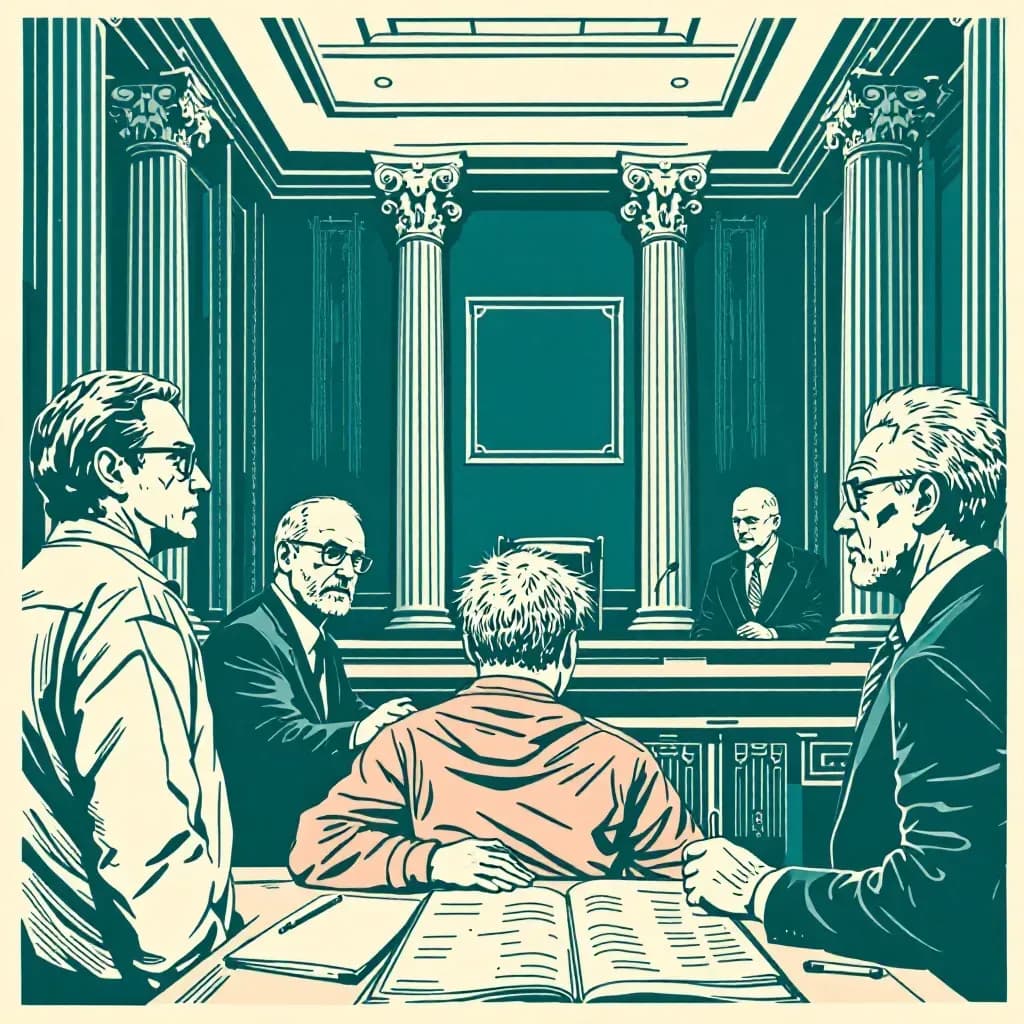
Definition
What role does mental illness play in true crime? From motive and act to the trial's outcome – understand the complex diagnoses and criminal responsibility.
When the mind is the crime scene – Understanding, responsibility, and consequences in true crime
Impact of mental illness on motive and legal process
In the context of true crime, mental illness refers to a mental state of a perpetrator that can be crucial for understanding the motive, the act, and the subsequent legal process. This concept within criminal behavior covers a wide spectrum of diagnoses and conditions, from severe psychoses that distort the perception of reality, to personality disorders such as psychopathy, which can profoundly affect behavior and social relationships. These aspects of a perpetrator's mental health can, in some cases, play a central role in the development of criminal behavior.
Responsibility assessment for mentally ill offenders
When a person with suspected mental illness commits a crime, complex questions arise regarding criminal responsibility and legal liability. Investigators and specialists in forensic psychiatry work to determine the extent to which the mental state affected the perpetrator's ability to understand the consequences of their actions or to control them. It is crucial to emphasize that mental illness in itself is not a direct cause of crime, but it can be a significant contributing factor. This often complicates the offender profile and the overall picture of the case, which can affect both the victim's experience and the final outcome in the legal system.
Sentencing and consequences for mentally ill offenders
The concept of 'mental illness' is thus crucial in many true crime cases, as it has far-reaching consequences for investigative methods, interrogation techniques, and defense strategies within the legal system. The question of criminal responsibility is central and can result in sentences to psychiatric treatment rather than ordinary prison sentences. Insight from criminal psychology is essential for understanding how mental illness interacts with criminal behavior. This remains an ongoing challenge and a central theme in the efforts to achieve justice, ensure effective crime prevention, and balance consideration for the individual's mental health with the overall safety of society.
How does mental illness affect the outcome of criminal cases? Explore cases involving psychotic conditions, personality disorders, and questions of criminal responsibility. Delve into our cases related to mental illness below.
Weiterlesen
Slender Man Stabbing — Messerangriff nach Internet-Mythos
Zwei 12-jährige Mädchen lockten ihre gleichaltrige Freundin in einen Wald und stachen 19 Mal auf sie ein, um der fiktiven Internet-Figur Slender Man zu dienen.
Maura Murray verschwand nach Autounfall auf Route 112
Maura Murray verschwand nach Autounfall auf Route 112. Sieh dir an, was Medien, Podcasts und Serien über den Fall erzählt haben.
Verwandte Artikel

Slender Man Stabbing — Messerangriff nach Internet-Mythos
Zwei 12-jährige Mädchen lockten ihre gleichaltrige Freundin in einen Wald und stachen 19 Mal auf sie ein, um der fiktiven Internet-Figur Slender Man zu dienen.

Doppelmord in Tetbury: England-Schock von 1991
Der britische True-Crime-Podcast They Walk Among Us widmet sich in einer neuen Episode einem Doppelmord aus dem Jahr 1991 im englischen Tetbury — ein Fall, der Häusliche Gewalt, psychische Erkrankung und ein schockierendes Geständnis vereint.

Buch hinterfragt etablierte Sicht auf weibliche Kriminalität
Das Buch „Forbrydelsen Indefra

Kriegstrauma und Doppelmord: Neues Buch über Lars Kragh
Der 37-jährige Kriegsveteran Lars Kragh ermordete 2016 seine Eltern in Ostjütland. Ein neues Buch von Christensen und Mistrati analysiert, wie Kriegstraumata und PTSD zu katastrophalen Folgen führen können.

Doppelmord an Eltern durch Kriegsveteran in Ostjütland
Der Kriegssoldat Søren Kragh ermordete 2016 seine Eltern in Ostjütland. Die Leichen wurden erst bei einer Verkehrskontrolle in seinem Kofferraum entdeckt – sieben Tage nach der Tat. Ein neues Buch beleuchtet den Fall.
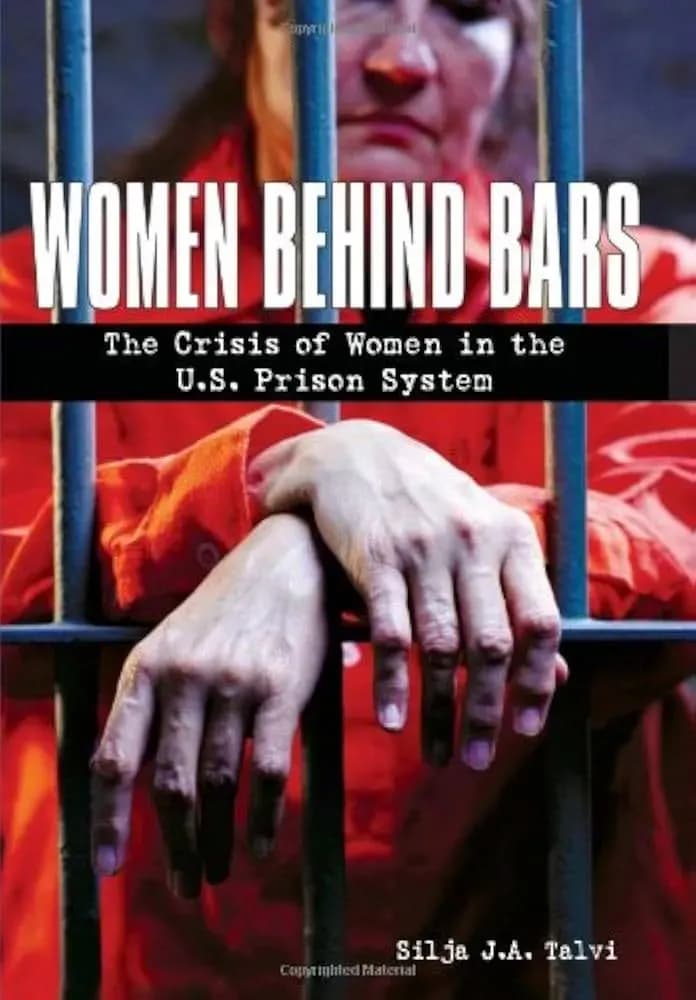
Buch enthüllt brutale Realität für Frauen in US-Gefängnissen
Das Buch „Women Behind Bars: Breaking the Harsh Realities of Prison
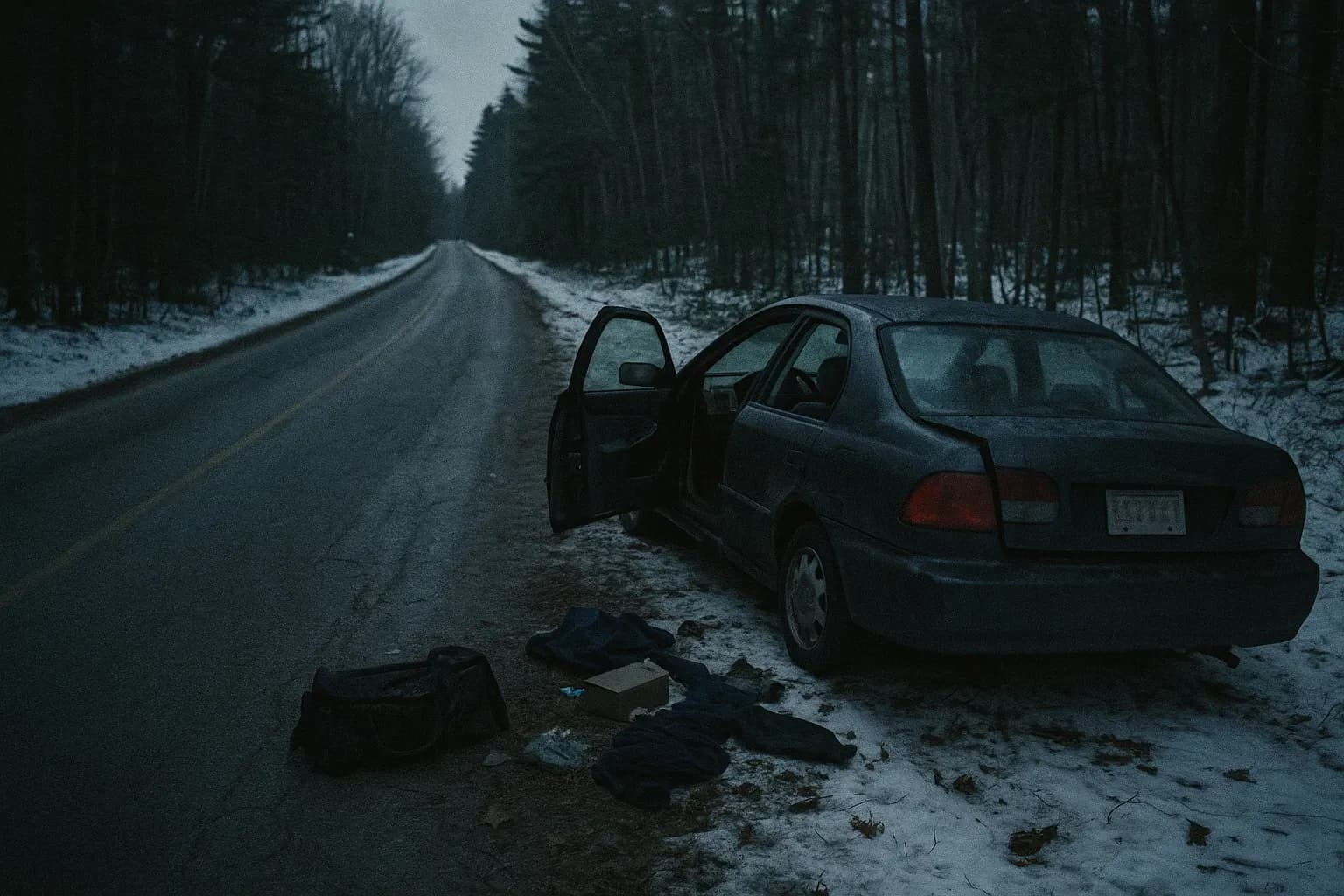
Maura Murray verschwand nach Autounfall auf Route 112
Maura Murray verschwand nach Autounfall auf Route 112. Sieh dir an, was Medien, Podcasts und Serien über den Fall erzählt haben.

The Devil Within: True-Crime-Podcast trifft Übernatürliches
The Devil Within ist ein wöchentlich erscheinender True-Crime-Podcast von EVIO Creative, der seit 2021 Kriminalgeschichten mit übernatürlichen Elementen verbindet. Der Podcast nutzt Dantes Höllenkreise als Rahmen für die Erforschung von Verbrechen, Besessenheit und kulturellem Einfluss.
Prison Life Podcast: Einblicke hinter Gefängnismauern
Seit 2015 gewährt der Prison Life Podcast von Andrew Snyder tiefe Einblicke in das amerikanische Gefängnissystem und zeigt die menschlichen Schicksale hinter den Mauern.

Hinter der Maske: Podcast über Normen und Minderheiten
Der Podcast 'Bag Masken' untersucht, wie kulturelle Normen das Leben von Minderheiten in Dänemark prägen – durch persönliche Geschichten über Identität und gesellschaftliche Strukturen.

Indefra med Anders Agger: Preisgekrönte Dokumentarserie
2013 präsentierte Anders Agger auf DR2 seine Dokumentarserie 'Indefra med Anders Agger'. Die preisgekrönte Reihe gewährt einzigartige Einblicke in verschlossene und tabuisierte Milieus der Gesellschaft.
Falschgeständnisse offenbarten Systemversagen in Dänemark
Erik Solbakke Hansen gestand 2011 insgesamt 38 Morde, obwohl er an den meisten unschuldig war. Das Berufungsgericht Østre Landsret sprach ihn 2020 frei und deckte gravierende Schwächen im dänischen Polizei- und Justizsystem auf.