negligence
Failure to act on a duty — covered by Danish Penal Code § 157 in public office
Definition
Negligence is a failure to act in accordance with a duty that rests on a person — that is, a failure to perform rather than a deliberate harmful act. The term describes situations in which the responsible person has not done what he or she was obliged to do, and where this failure has had harmful consequences for another person.
In Danish criminal law, the concept appears among other places in the Danish Penal Code (straffeloven) § 157, which covers gross or repeated negligence in connection with public service or office. Violation can be punished by a fine or imprisonment for up to 4 months. The provision is directed at officials and others with public responsibility who systematically or grossly fail in their duties.
In a true crime context — and particularly in cases such as those concerning Natalia Grace and Georgia Tann — negligence is used in a broader and more everyday sense corresponding to the English concept of neglect. Here the issue is that a child does not receive the necessary care, protection or supervision to which it is entitled. The failure may originate with parents, foster parents, institutions or authorities. In Georgia Tann's case the negligence is institutional: the adoption system and the supervising authorities failed for decades to intervene against documented abuses and illegalities. In the Natalia Grace case, the negligence concerns the question of whether the foster parents lived up to their duty of care towards a child with special needs — and whether the authorities reacted sufficiently and in time.
Negligence is thus not always an independent criminal law concept in Danish law, but functions as a description of the underlying failure that may trigger criminal liability, civil liability in damages or intervention by the authorities, depending on the specific context and on the role and duties of the parties involved.
Verwandte Artikel
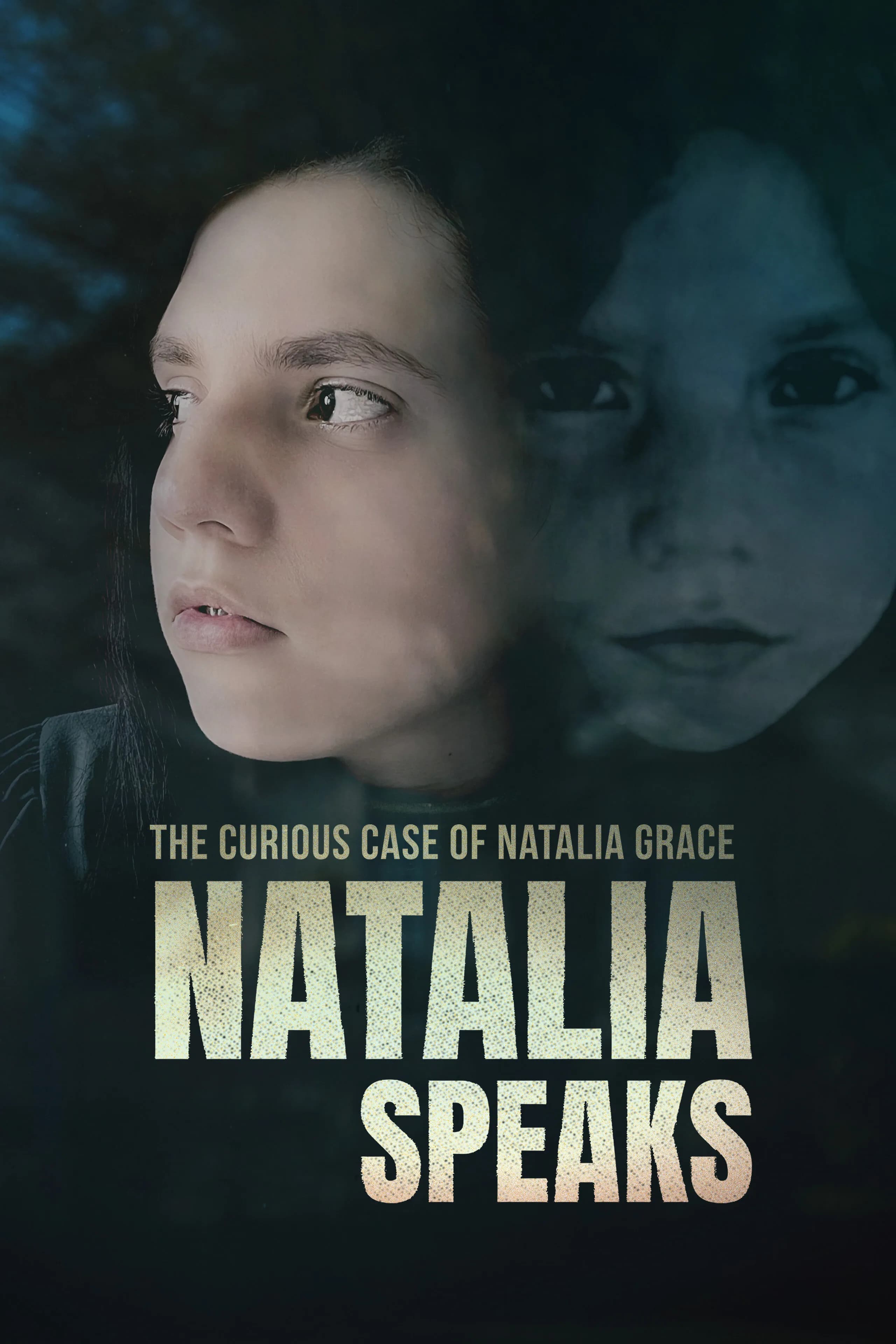
The Curious Case of Natalia Grace
HBO Max documentary series about the Barnett case: the 2010 Indiana adoption of Ukrainian orphan Natalia Grace and the neglect prosecution of her adoptive parents.

Georgia Tann: Die Frau, die 5.000 Kinder verkaufte
Georgia Tann leitete die Tennessee Children's Home Society in Memphis und verkaufte zwischen 1924 und 1950 über 5.000 Kinder. Durch Entführungen, Betrug und systematische Ausbeutung verschaffte sie Kindern reichen und berühmten Familien — während sie selbst Millionen verdiente.