whistleblower
An insider who reports serious wrongdoing, protected against reprisals by law
Definition
A whistleblower is a person who, by virtue of their work, reports or discloses serious legal violations, abuse or other objectionable conditions — typically committed by the organisation they are part of. The term covers insiders: employees, former employees or others with privileged access to information who bring hidden matters to light that the public or the authorities would not otherwise have known about.
Under Danish law, the whistleblower's position is regulated by the Act on the Protection of Whistleblowers (lov om beskyttelse af whistleblowere), Act No. 1436 of 29 June 2021, which implements the EU Whistleblower Directive in Danish law. The Act protects a person who reports to an internal scheme within their organisation, to an external authority or, in certain cases, to the public — provided that the report concerns serious legal violations or gross irregularities, and that the reporting person had reasonable grounds to believe the information was correct at the time of reporting. The protection entails a prohibition against reprisals: the employer may not dismiss, demote, harass or otherwise punish an employee for a report made within the framework of the Act. The whistleblower is therefore not merely a moral figure, but a legal category with concrete rights and procedures attached to it.
In a true crime context, whistleblowers often appear in cases where institutional failures have been concealed over long periods. In the Danske Bank case, internal employees and auditors attempted to sound the alarm about suspicious transactions through the bank's Estonian branch long before the scandal became publicly known. In the Three Mile Island case, it subsequently emerged that internal technical warnings had been ignored or downplayed. Common to these cases is that the whistleblower's credibility and mental integrity are systematically called into question — a pattern also described in connection with what is known as the Martha Mitchell effect, where correct and well-founded disclosures are wrongly treated as expressions of disturbance or paranoia.
The concept of the whistleblower does not presuppose that the disclosure is made publicly. Reporting may take place internally, to supervisory authorities or — as a last resort — to the media. It is the purpose and the good faith that are decisive for legal protection, not the channel used.
Weiterlesen
Verwandte Artikel
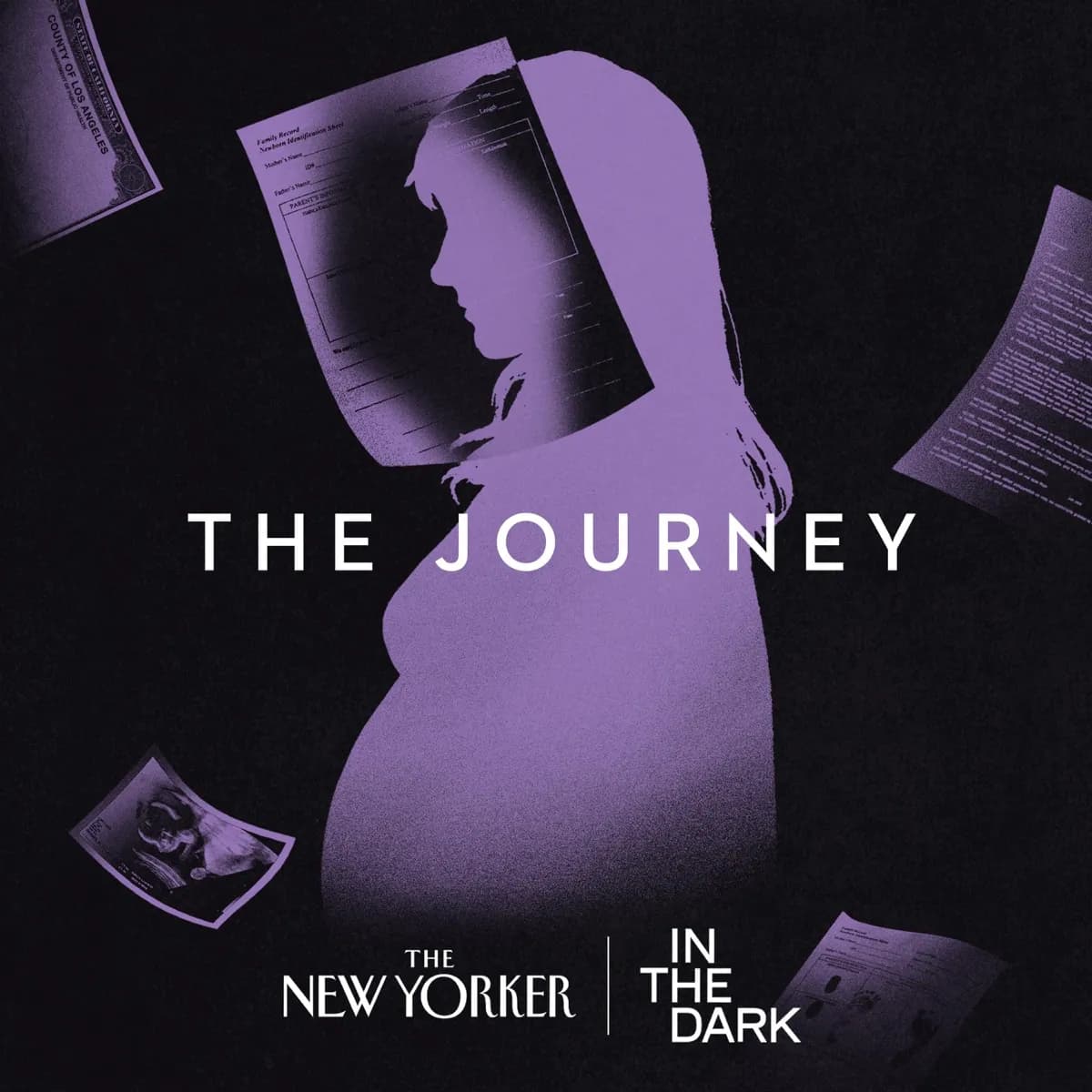
The Journey, Episode 1: Gifts
A Texas woman agrees to carry a child for a wealthy California couple and ends up a whistle-blower in this In the Dark episode.
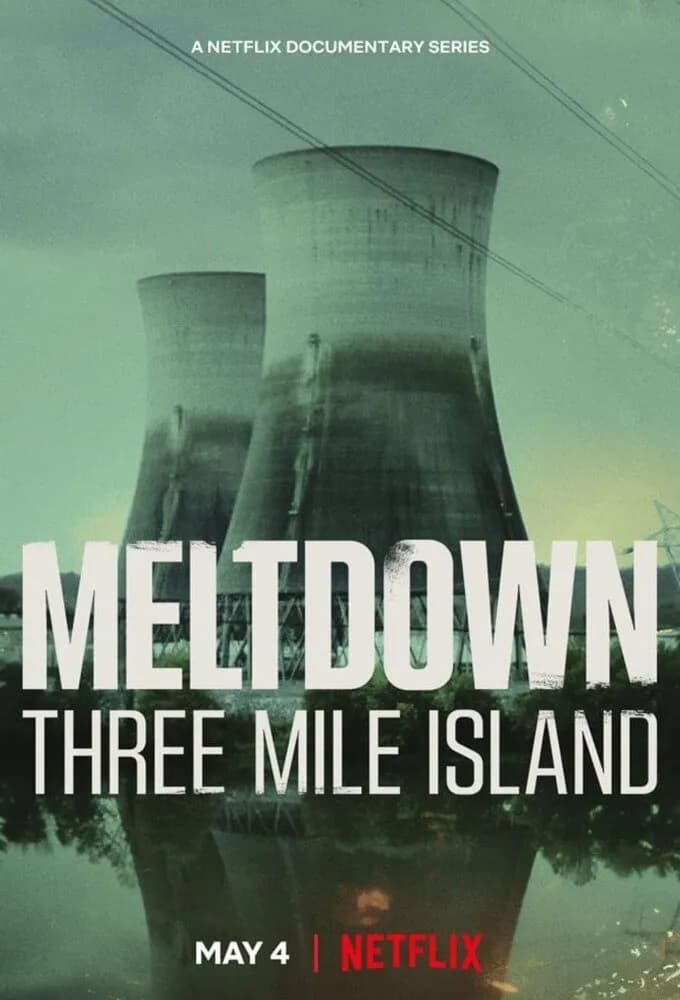
Meltdown: Three Mile Island
Meltdown: Three Mile Island is a Netflix documentary series about the 1979 partial nuclear meltdown at Pennsylvania's Three Mile Island plant and the corporate misconduct alleged in its aftermath.

The Martha Mitchell Effect
Netflix documentary about Martha Mitchell, the cabinet wife who publicly exposed the Watergate scandal and was systematically gaslit and discredited by the Nixon administration.
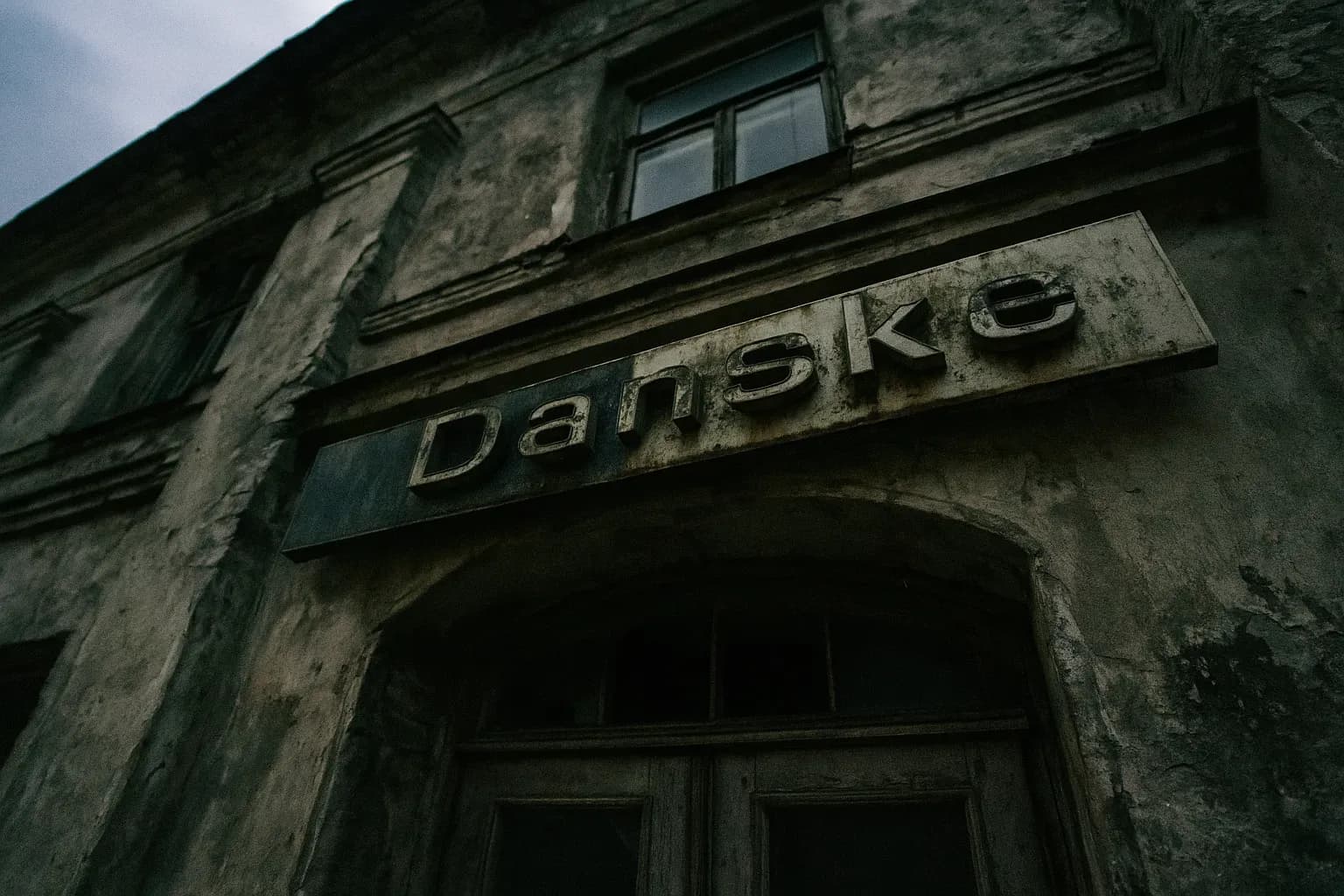
Danske Bank: 200 Milliarden Euro Geldwäsche über Estland
Zwischen 2007 und 2015 flossen über 200 Milliarden Euro in verdächtigen Transaktionen durch die estnische Filiale der Danske Bank. Ein Whistleblower schlug früh Alarm – und wurde ignoriert.