Branch Davidians
American religious sect at the centre of the 51-day Waco siege in 1993
The Branch Davidians are an American religious sect that emerged from the Seventh-day Adventist movement in the 1930s and established itself at the Mount Carmel Center near Waco, Texas. The group is not an institution within the US legal system, but a religious organisation that in 1993 became central to one of the most widely reported and disputed confrontations in modern American law enforcement history. Apocalyptic and theological convictions formed a core part of the group's identity, and in 1993 it was led by David Koresh.
It was under his leadership that federal authorities opened an investigation into the group, focused primarily on suspicion of unlawful possession and stockpiling of firearms. On 28 February 1993, the Bureau of Alcohol, Tobacco, Firearms and Explosives (ATF) attempted to execute a search of the Mount Carmel Center. The operation ended in a violent shootout that cost the lives of four ATF agents and several Branch Davidians. The incident triggered a siege led by the FBI, which lasted 51 days.
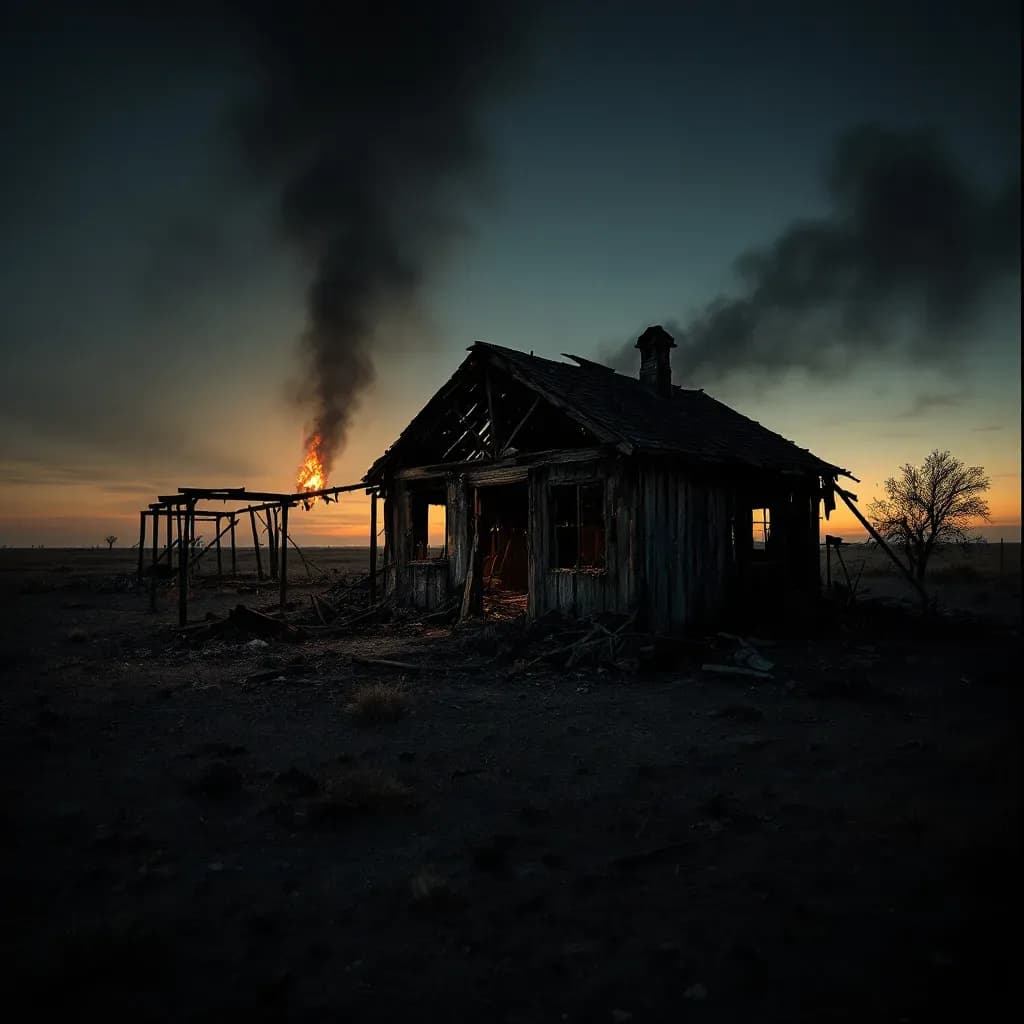
The siege ended on 19 April 1993, when the Mount Carmel Center caught fire during a final FBI operation. More than 75 people died, among them David Koresh and a substantial proportion of children. The cause of the fire — whether it was set by the authorities, by members of the group themselves, or started unintentionally — has been the subject of continuing legal and political inquiry.
In a legal and criminological context, the Branch Davidians are not a criminal organisation in the traditional sense, but the group and the Waco siege are treated in true crime contexts as a key example of the tension between religious freedom, the state's use of force, and the question of proportionality in federal operations. The case subsequently gave rise to congressional hearings and contributed to a broader national debate about the methods of the FBI and the ATF.