cocaine
Illegal stimulant; trafficking is prosecuted under straffeloven \u00a7 191 in Denmark.
Cocaine is a powerful central-nervous-system stimulant and euphoriant classified under Danish law as an illegal narcotic and covered by the Danish Euphoriant Substances Act (lov om euforiserende stoffer). It is unlawful to possess, buy, sell, import, export, manufacture, process or transfer cocaine without legal authority.
Danish criminal law distinguishes between possession for personal use and actual drug trafficking. Possession of smaller quantities is typically prosecuted under the Euphoriant Substances Act and results in a fine or a shorter custodial sentence. Transfer to others — particularly on a larger scale, as part of organised crime or under other aggravating circumstances — is instead prosecuted under the Danish Penal Code (straffeloven) § 191, which provides for sentences of up to 16 years' imprisonment.
Cocaine is the substance that appears most frequently in the largest Danish narcotics cases. The Claus Malmqvist case, described as the largest drug case in Denmark to date, concerned the smuggling and distribution of cocaine on an industrial scale and resulted in convictions under straffeloven § 191. The case illustrates how organised cocaine smuggling is treated as serious crime in the Danish justice system.
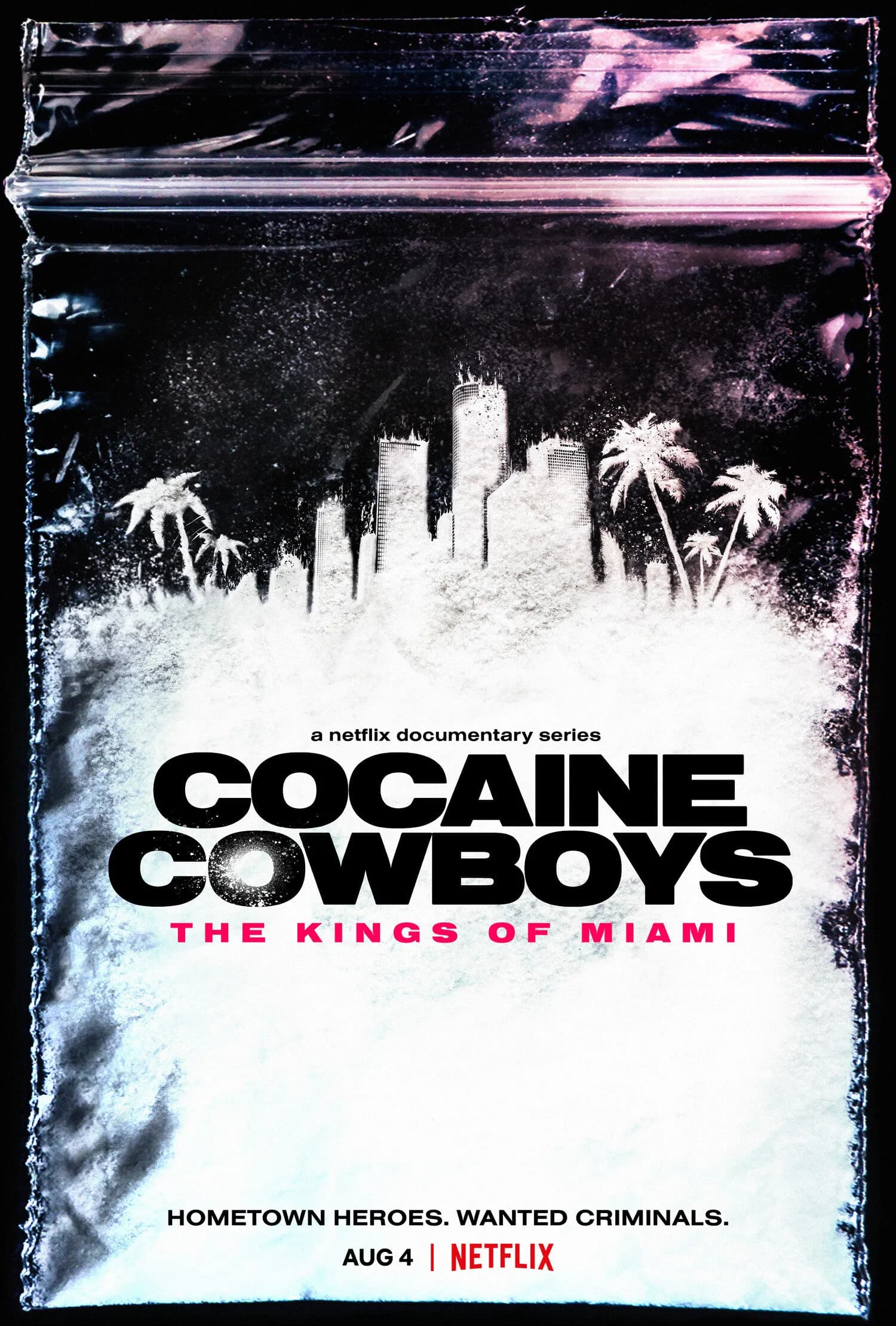
Internationally, cocaine is associated with cartels and smuggling networks such as those depicted in the Cocaine Cowboys case from Miami, where enormous quantities of cocaine from Colombia were distributed to the North American market in the 1970s and 1980s. Such cases form the background for understanding how cocaine smuggling is organised across continents and jurisdictions.
In legal proceedings, the severity of the sentence is assessed on an overall evaluation of the quantity of the substance, the degree of organisation, the defendant's role in the hierarchy, and any previous convictions for similar crime.