environmental crime
Umbrella term for punishable acts harming the environment or exploiting resources
Environmental crime is an umbrella term for punishable acts that harm the environment or exploit natural resources unlawfully — including unlawful pollution of air, water, soil and subsoil, as well as unlawful handling of waste and other environmentally hazardous substances or activities. Under Danish law, the concept is not a self-contained, general penal provision, but appears in legal practice as an overarching category covering violations of a range of different statutes in the environmental field. It can span everything from companies unlawfully discharging chemicals to unlawful import and export of hazardous waste.
In the most serious cases, environmental crime can be prosecuted under the Danish Penal Code (straffeloven) § 196, which concerns aggravated environmental crime. The provision is reserved for violations of particular gravity and can result in imprisonment.
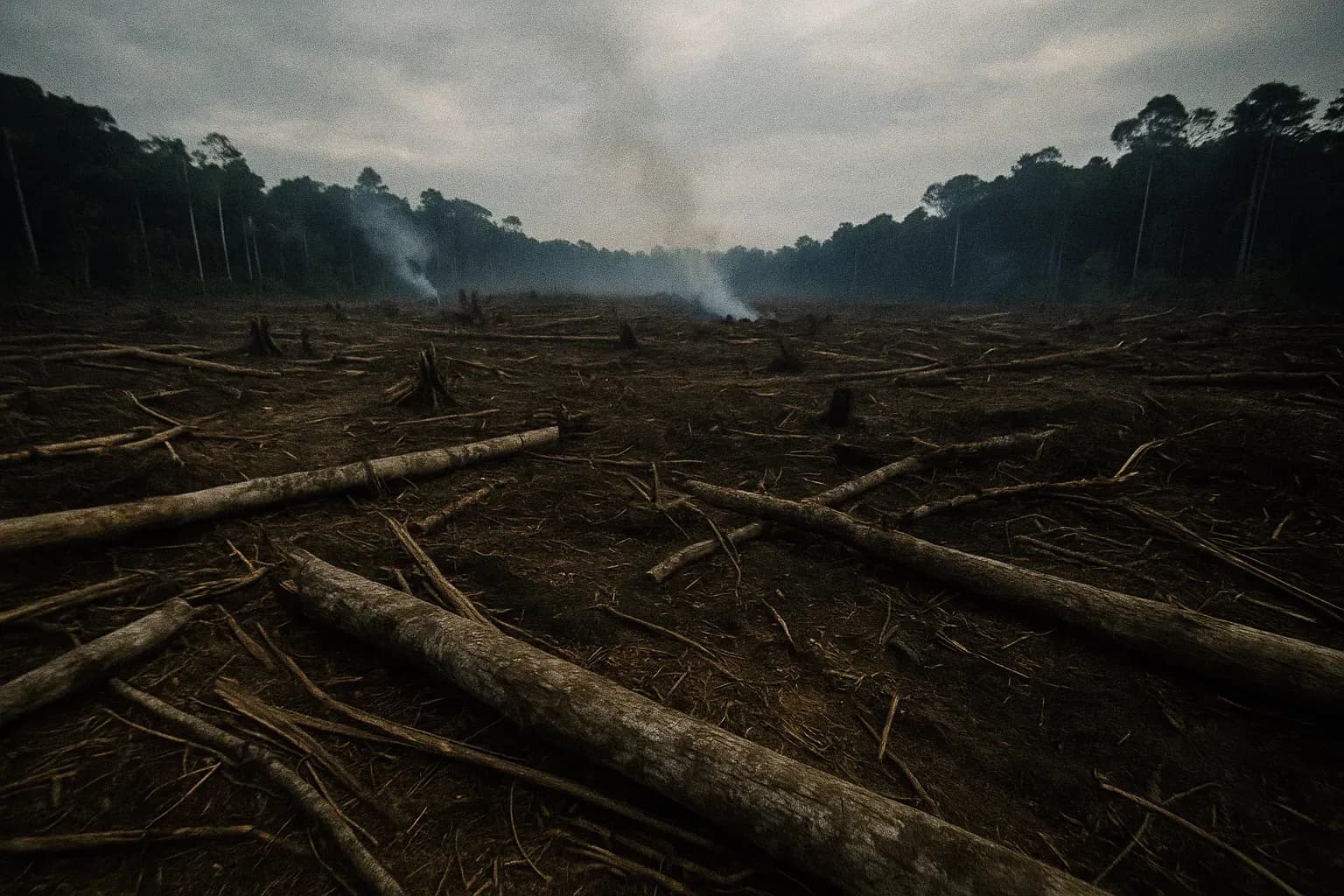
In a broader, international context — as in cases concerning oil spills, industrial disasters or illegal logging — the term is used correspondingly for acts committed by companies or individuals who, knowingly or negligently, cause serious harm to nature or to the surrounding communities. Such cases often involve large multinational actors and may have consequences across national borders. Environmental crime is increasingly regarded internationally as a serious area of criminality, partly because it is often connected with organised crime, corruption and systematic circumvention of legislation, and because the damage can be long-lasting and difficult to repair.