forensics
Scientific methods that turn physical traces at a crime scene into usable evidence
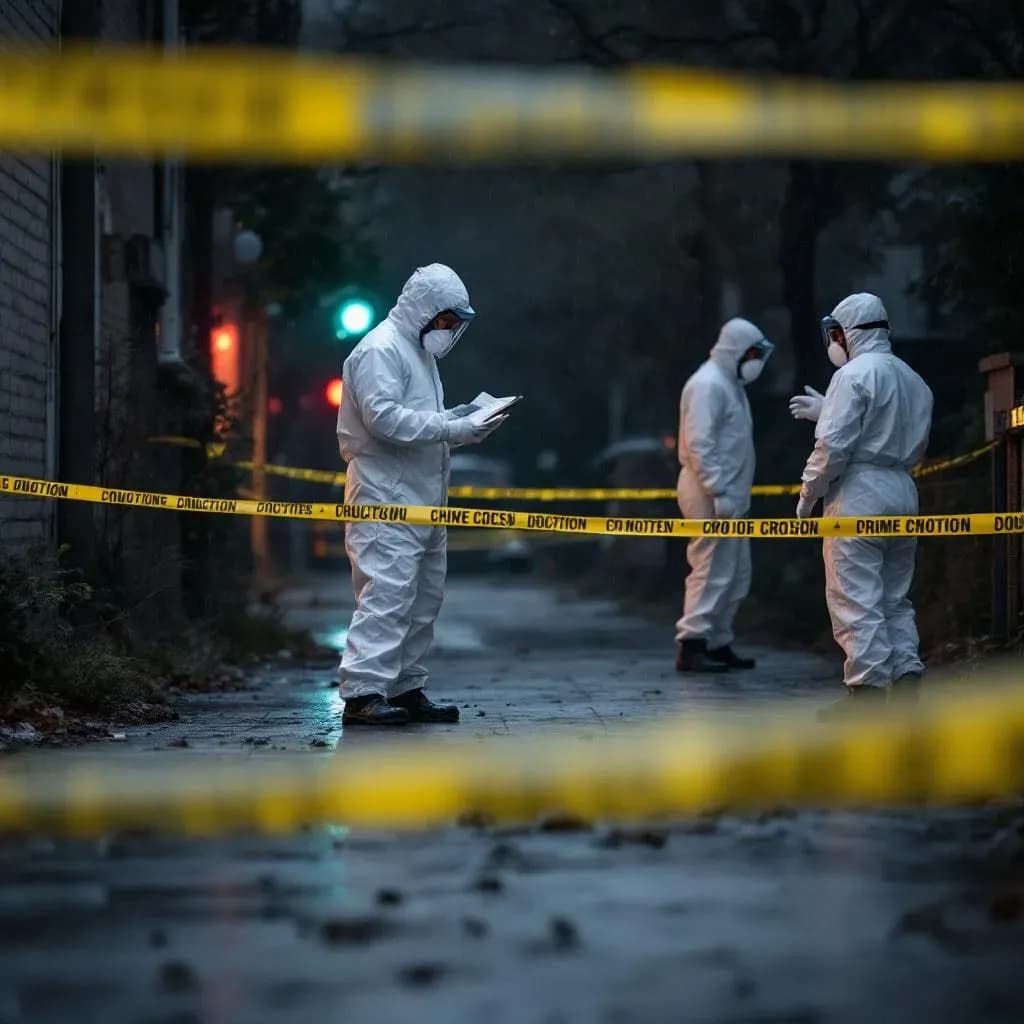
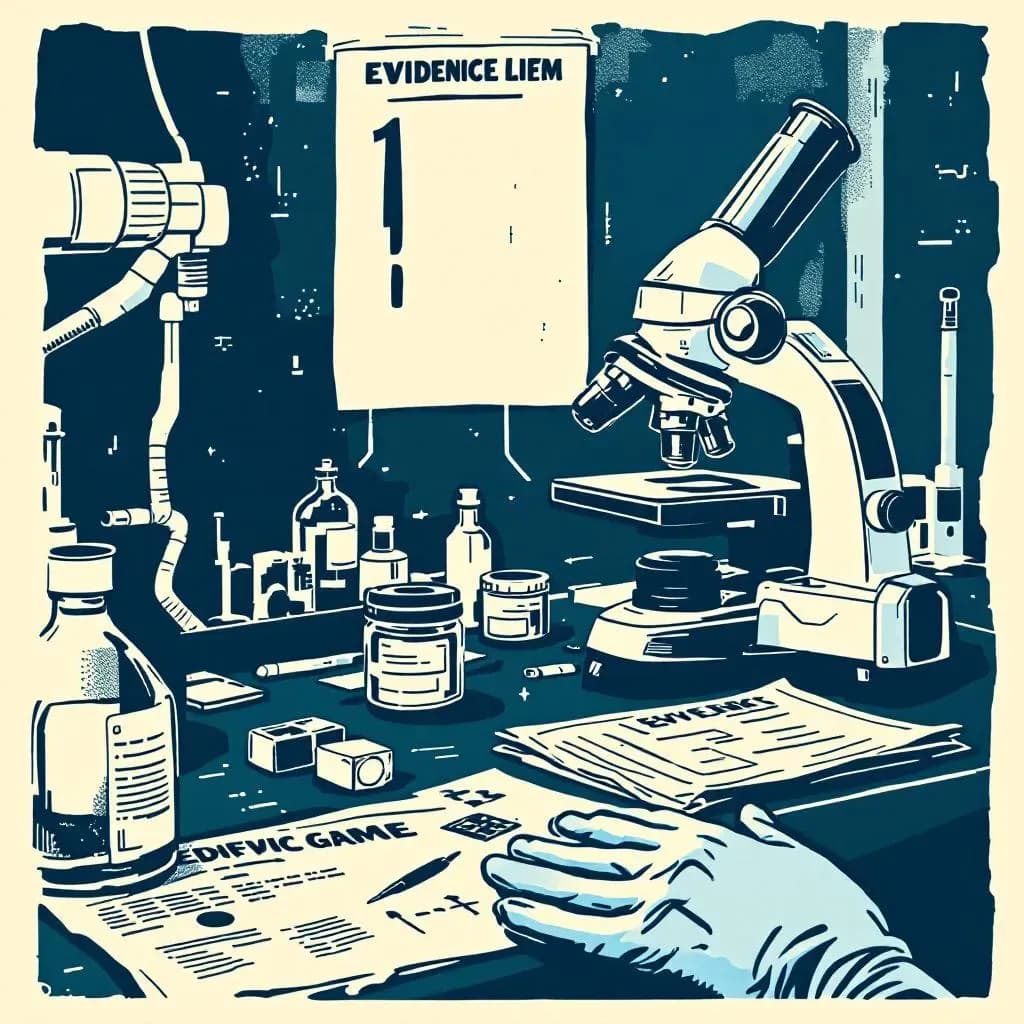
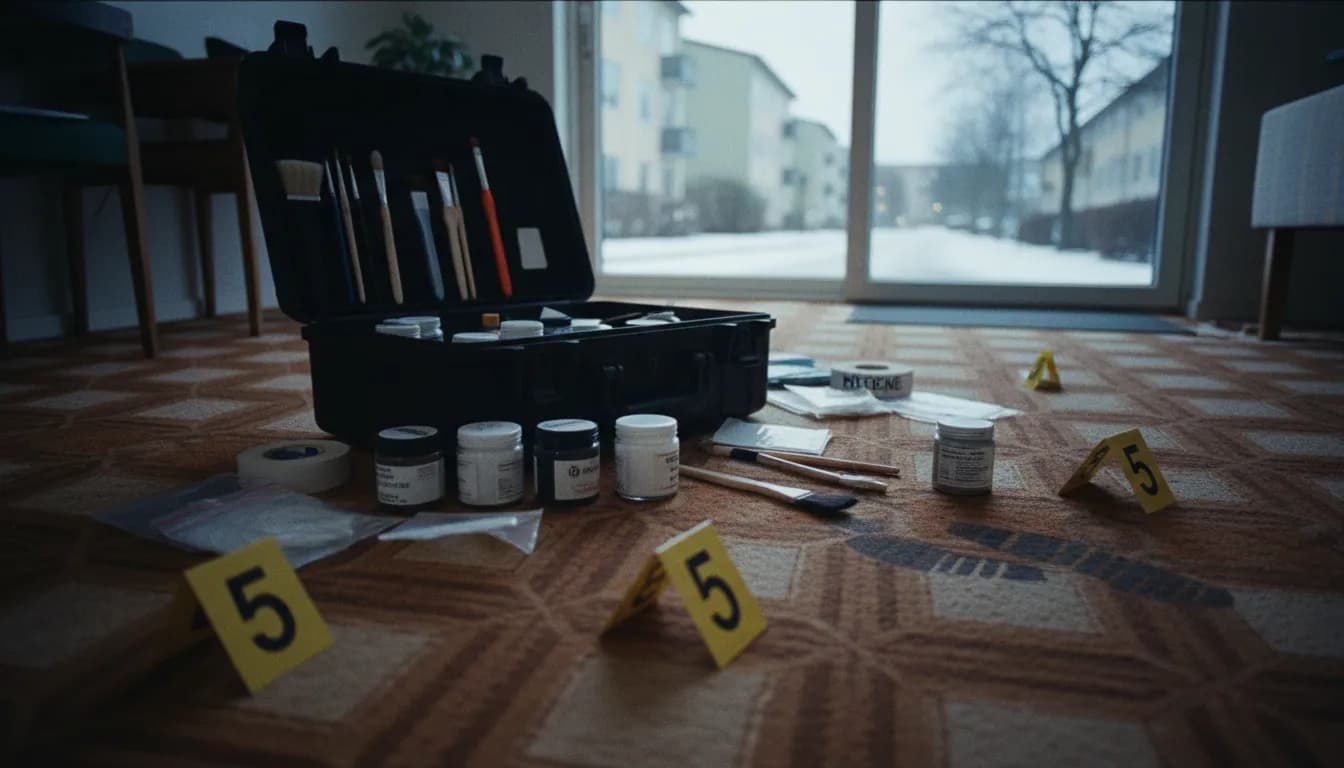
Forensics is the specialised branch of police investigation that applies scientific and technical methods to establish what happened at a crime scene. In Danish policing, the discipline covers everything from the first systematic examination of a scene to laboratory analysis of the traces and items recovered there. In practice, forensic examiners work with a broad range of methods: fingerprint analysis, DNA profiling, ballistics, document examination, fire and explosion investigation, and photographic and video documentation. Each element serves the overall purpose of converting physical traces into legally usable evidence.
Trace preservation is central to all forensic work. Contamination of a crime scene can render evidence unusable in court, and forensic examiners therefore follow strict protocols to maintain the integrity of traces from recovery to analysis. The chain of custody is decisive for the credibility of the evidence.
In a true crime context, forensic methods recur as a constant focal point. In cases such as Dödsbranden, burn patterns and accelerants are examined to determine whether a fire was deliberately set. In document forgery cases such as Konrad Kujau's forged Hitler diaries, handwriting analysis and material examination exposed the fraud. In unsolved killings such as the Göhrde murders, missing or outdated forensic material often constitutes the decisive obstacle to solving the case.
Forensics differs from criminal investigation in the broader sense through its focus on the physical and measurable rather than on witness statements and intelligence information. Technical findings are presented in court as objective documentation and often form the backbone of the prosecution's case.