healthcare crime
Journalistic umbrella term for serious crime by healthcare staff against patients
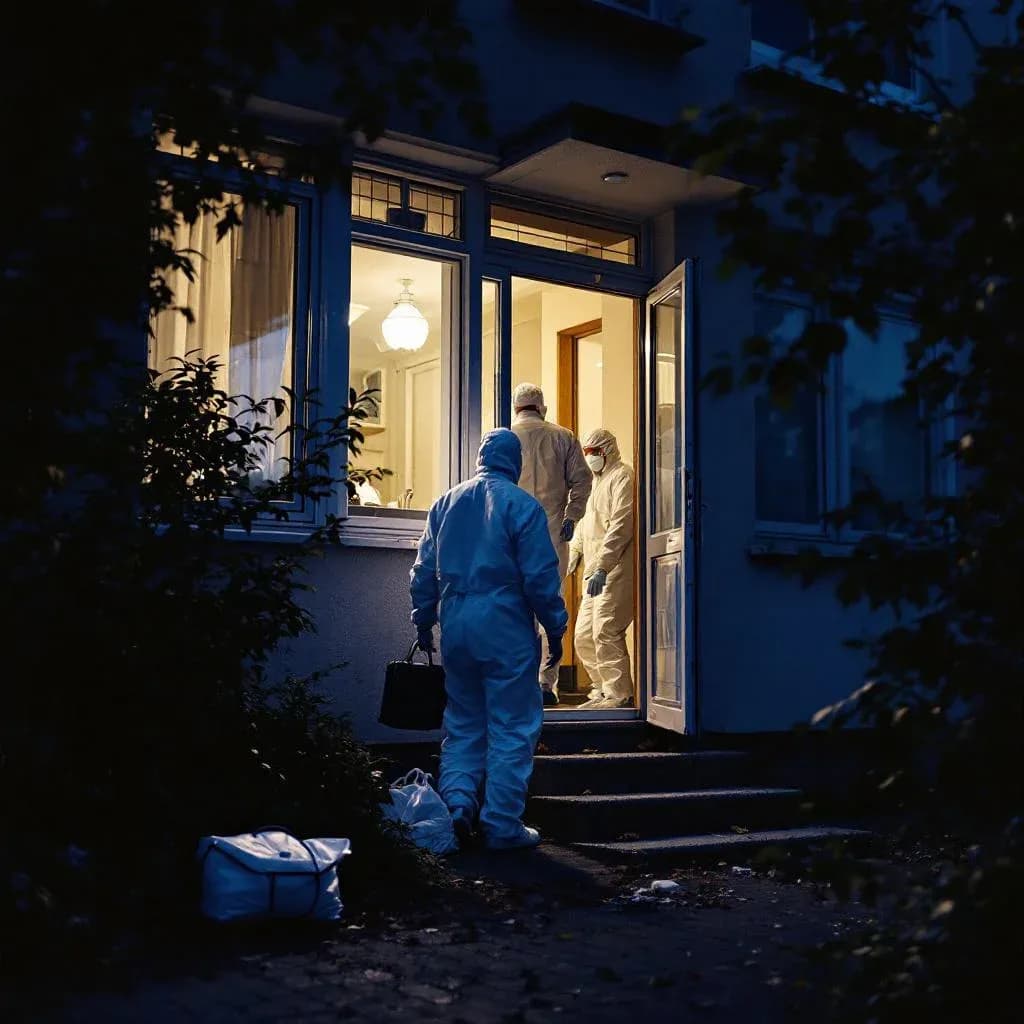
Healthcare crime is a journalistic and analytical umbrella term for serious crime committed by healthcare personnel or occurring within the framework of a treatment relationship. The concept has no independent definition in Danish criminal legislation and therefore does not constitute a legal category with a corresponding statutory provision. In a true crime context, the term is typically used about cases in which healthcare personnel — doctors, nurses or other care staff — are suspected of or convicted of acts such as homicide, attempted homicide, gross maltreatment or deliberate endangerment directed at patients in their care. The asymmetric power relationship between caregiver and patient is a characteristic feature of these cases and distinguishes them from other violent crime.
When Danish courts handle cases of this nature, it does not take place under any special healthcare-specific criminal provision, but under the general provisions of the Danish Penal Code (straffeloven). Depending on the concrete circumstances of the case, the relevant provisions will typically include the rules on homicide, bodily assault or endangerment.
The journalistic use of the term reflects a need to categorise a particular type of criminal case in which the scene of the crime and the role of the perpetrator create a specific context. Cases such as that of the Berlin doctor Johannes M., who is charged with 15 patient killings, illustrate how the concept functions as an editorial and analytical framework rather than a legal designation.