hospital murders
Journalistic label for patient killings; Danish law treats them under § 237.
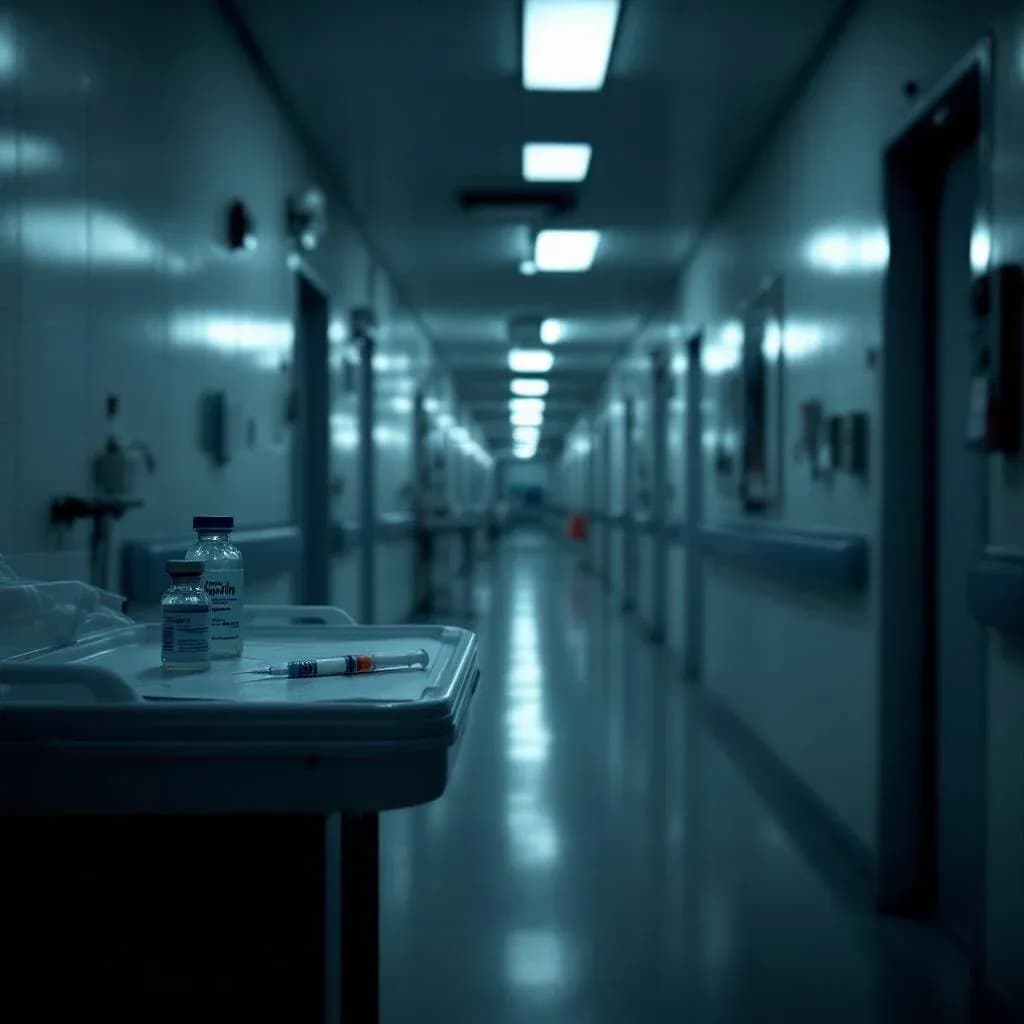
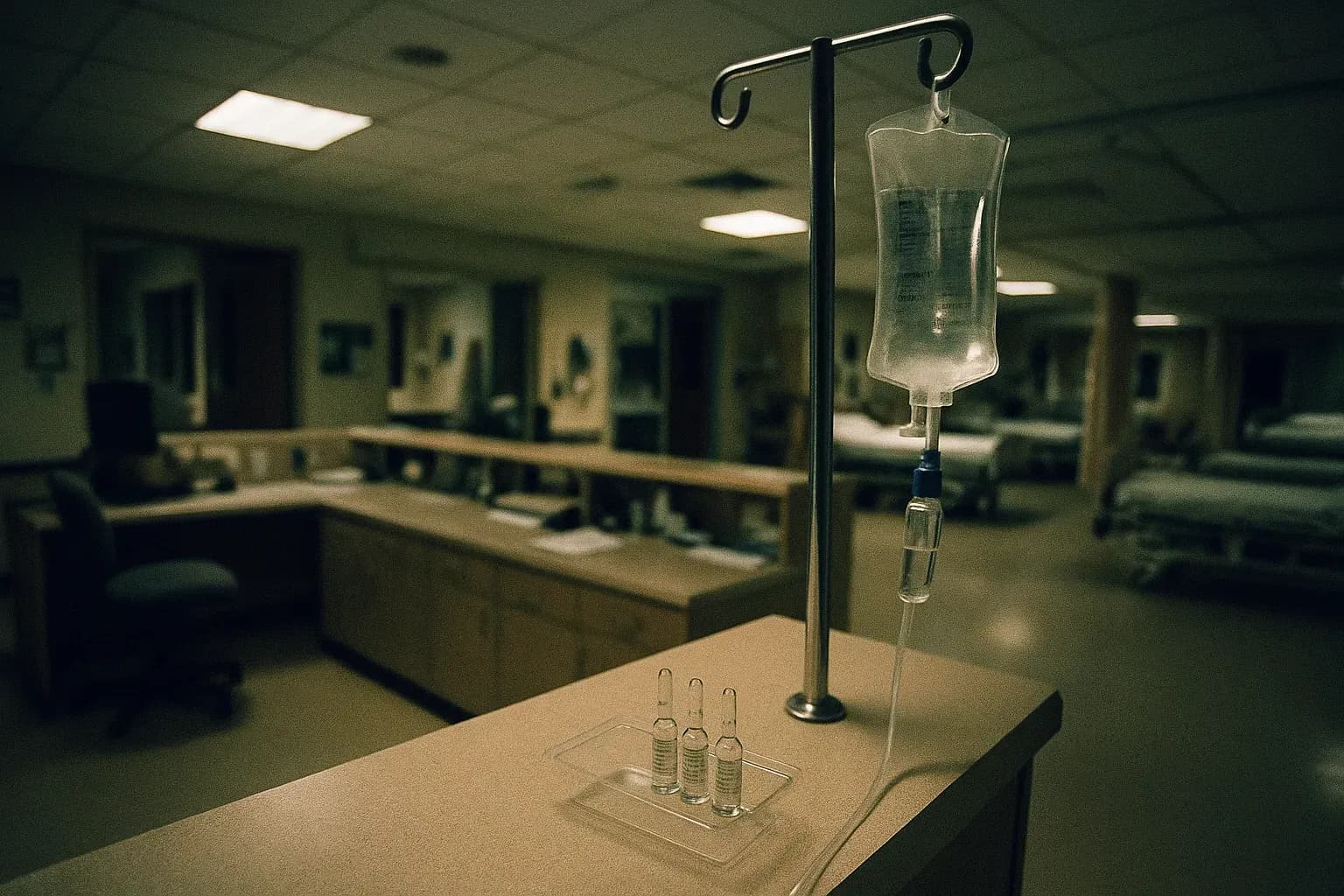
Hospital murders is a popular and journalistic label for the killing of patients by healthcare staff or others with institutional access to vulnerable people — it is not an independent legal category in Danish criminal law. The term typically covers situations in which a death is caused deliberately and unlawfully within the setting of a medical institution, often using poisons, medication or other means to which the perpetrator has access by virtue of their position.
Under Danish law, such acts are assessed according to the ordinary rules on homicide, in particular the Danish Penal Code (straffeloven) § 237, which does not distinguish between killings committed in a hospital and killings committed elsewhere. There is no separate provision in Danish legislation criminalising hospital murders as a distinct type of offence.
What the cases described as hospital murders in a true crime context have in common is that the perpetrator exploits a position of trust and professional access to commit acts that may appear to be natural deaths. This often makes detection, investigation and evidence-gathering difficult, since deaths in hospitals are, under certain circumstances, not automatically investigated as suspicious.
Many well-known cases in this category are serial killings, where a single perpetrator kills a number of patients over time. The systematic character of the offences, combined with the perpetrator's professional background, places these cases in a particular criminological and legal context, even though the criminal consequences in Denmark follow the general rules on homicide. On Krimidex, the term is used as a descriptive category for cases that resemble one another structurally and contextually — killings committed within institutional healthcare settings — rather than as a reference to a specific statutory provision or legal doctrine.