Manson Family
The California cult around Charles Manson behind the 1969 Tate-LaBianca murders
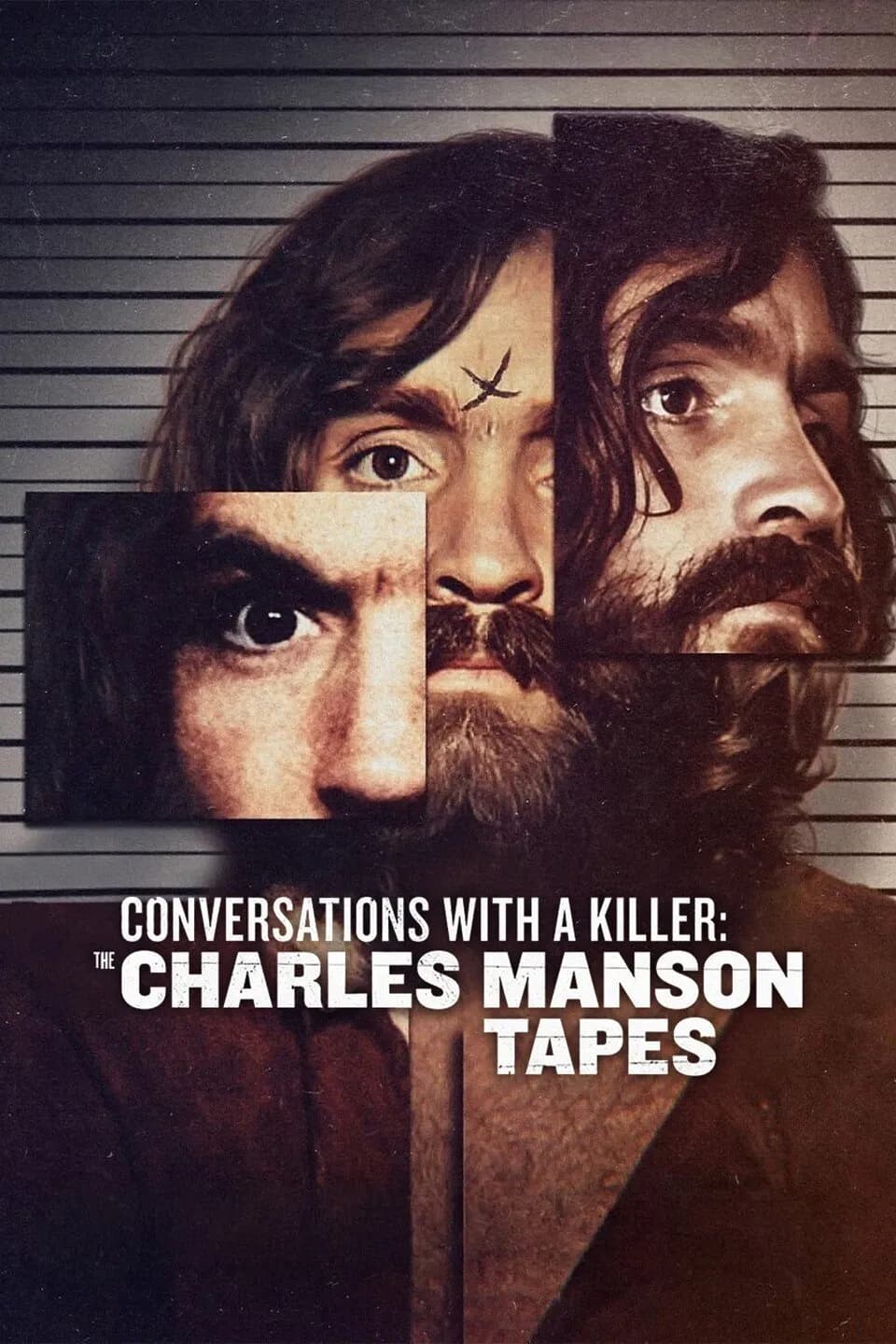
The Manson Family is the name for the criminal cult group that formed around the American cult leader Charles Manson in California in the late 1960s — not a legal or state institution, but a loosely organised group of followers who committed a series of killings on Manson's orders. The group consisted primarily of young, socially marginalised men and women whom Manson recruited and exercised psychological control over. Manson preached a mixture of apocalyptic beliefs and racial mythology, which he called, among other things, 'Helter Skelter' — the idea of an imminent race war in the United States that the murders were supposedly meant to trigger.
In August 1969, several members of the group committed the so-called Tate-LaBianca murders in Los Angeles. On the first night, the actress Sharon Tate and four others were killed at a house in Bel Air; the following night, the married couple Leno and Rosemary LaBianca were killed in their home. The murders shocked American society and marked a cultural turning point in the post-war era.
The trial of Charles Manson and three female members of the group — Susan Atkins, Patricia Krenwinkel and Leslie Van Houten — took place in 1970-1971 and was at the time one of the most widely covered criminal cases in American legal history. All four were sentenced to death, a sentence later commuted to life imprisonment when California temporarily abolished capital punishment in 1972. Manson himself died in 2017 while still serving his sentence.
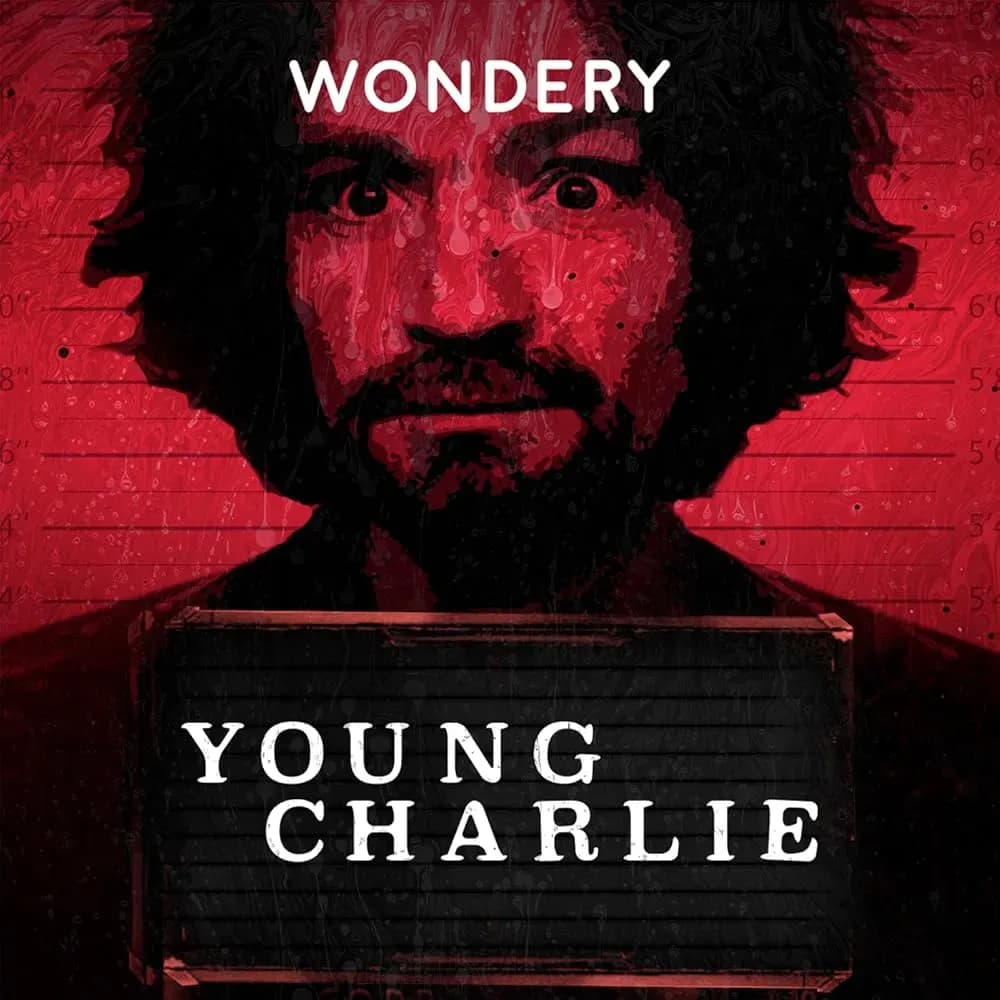
In a true crime context, 'Manson Family' is used as a collective term for the group, its crimes, the trials and the far-reaching psychological and cultural consequences of the case. The term appears in documentary series, podcasts and analyses of cult psychology, manipulation and state prosecution, and it remains one of the most studied examples of group-based crime in modern American legal history.