O Caso Evandro
Globoplay, 2021 — The decades-long mystery of a child's murder in Guaratuba, Brazil
Fakten
What Is the Series About?
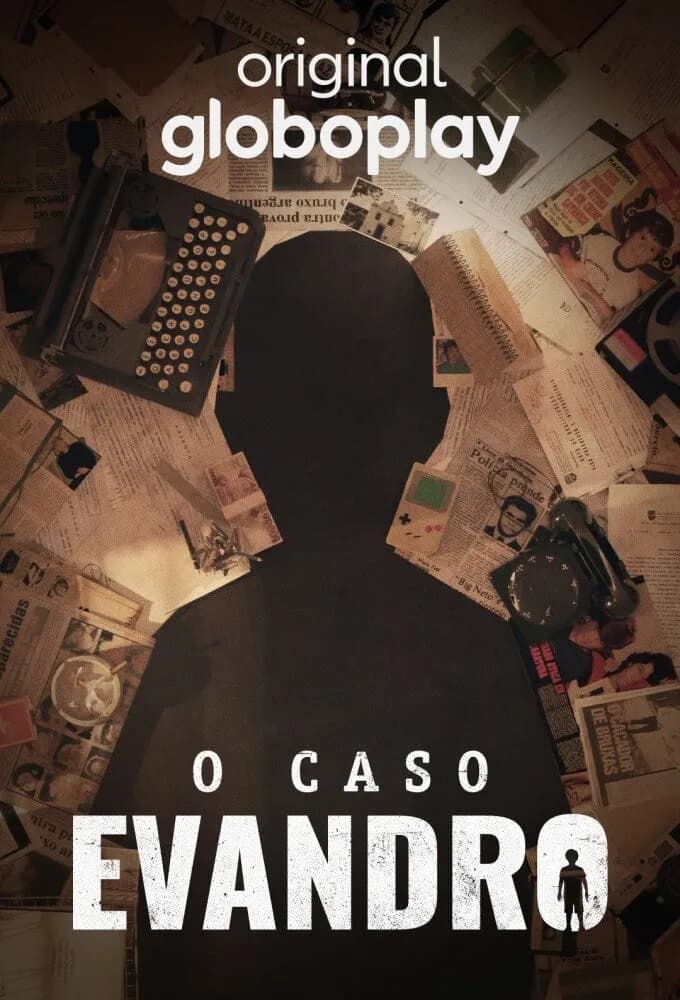
O Caso Evandro — released internationally under the title *The Evandro Case: A Devilish Plot* — is a Brazilian true crime documentary series streaming on Globoplay that investigates one of the most disturbing and legally protracted child murder cases in Brazilian history. Directed by Michelle Chevrand and Aly Muritiba, the series consists of eight main episodes running between approximately 44 and 58 minutes each, plus a ninth bonus episode of exclusive testimonials released roughly two months after the main premiere. It debuted on May 13, 2021, and quickly became a critical and audience success across Brazil.
The series is based on the groundbreaking podcast Projeto Humanos: O Caso Evandro by journalist and researcher Ivan Mizanzuk, which had already introduced millions of Brazilian listeners to the case before the documentary was produced. The transition from podcast to screen allowed the creative team to incorporate archival footage, original interviews, and previously unseen evidence, giving the story a visual dimension that deepened its impact.
The Case
The events at the heart of the series began in May 1992, when six-year-old Evandro Ramos Caetano disappeared in the coastal city of Guaratuba, in the southern Brazilian state of Paraná. Evandro was not the only child to vanish in Guaratuba that year — several other children were also reported missing, and investigators would later confirm that some of those cases involved kidnapping followed by murder. The cluster of disappearances, the youth of the victims, and the gruesome nature of the crimes created a climate of panic in the small city.
What transformed the case from a local tragedy into a national obsession was the direction the investigation took: authorities and local rumor converged on accusations of occult ritual practice. A group of individuals linked to a self-described spiritual coven — quickly dubbed the "Bruxas de Guaratuba" (Witches of Guaratuba) in the Brazilian press — became the prime suspects. The most prominent among them was Osvaldo Marceneiro, a pai de santo (a spiritual leader in Afro-Brazilian religious traditions), who was arrested along with others including Antonio Figueiredo Basto and Paulo Markowicz.
The accusations of witchcraft and ritualistic child murder ignited widespread public hysteria and drew intense media coverage. Critics of the investigation have long argued that the occult angle was sensationalized, that interrogation methods were coercive, and that confessions were obtained under questionable circumstances. These contested aspects of the case are explored in depth throughout the documentary series.
While imprisoned, Osvaldo Marceneiro later confessed to involvement in additional crimes, a revelation that sent fresh shockwaves through Guaratuba and complicated the legal landscape further. By 2016, the case file had grown to 60 volumes and more than 20,000 pages, making it one of the most voluminous criminal proceedings in Brazilian legal history. Despite decades of investigation and multiple trials, the case has never reached a clean legal resolution — some accused individuals were released due to insufficient conclusive evidence, while the broader questions of exactly who was responsible and how many children were killed remain subjects of fierce debate.
The Guaratuba child murders occupy a singular place in Brazil's true crime landscape: a case at the intersection of religious panic, institutional failure, contested forensic science, and unimaginable suffering inflicted on the youngest and most vulnerable victims.
Production
The documentary was developed directly from the research infrastructure built by Ivan Mizanzuk for his podcast Projeto Humanos: O Caso Evandro, which is widely credited with resurrecting widespread public interest in the case and conducting some of the most rigorous independent journalism ever applied to it. Mizanzuk spent years gathering documents, tracking down witnesses, and interviewing key figures — work that gave the documentary team an exceptionally strong foundation.
Directors Michelle Chevrand and Aly Muritiba brought distinct filmmaking sensibilities to the project. The production weaves together archival news footage from the early 1990s, court documents, photographs, and new on-camera interviews to build a layered, chronological account. The episode Os Acusados (The Accused), available on Globoplay, exemplifies the series' approach of giving substantial screen time to multiple perspectives — including those who maintain the innocence of some or all of the convicted parties.
The ninth bonus episode, released approximately two months after the main series, features exclusive testimonials that were not included in the original eight-episode run. This supplementary installment was praised by viewers for adding new dimensions to figures and facts already introduced, and for demonstrating the production team's ongoing commitment to thorough reporting even after the series had officially concluded.
Reception
O Caso Evandro was an immediate success upon its May 2021 release, generating significant conversation across Brazilian social media and receiving strong reviews from critics who praised its investigative rigor and structural clarity. The series holds an IMDb rating of 9.1 out of 10 based on user ratings — an exceptionally high score that reflects both the passionate domestic audience for the case and the quality of the production.
The documentary was also positioned for the international market under its English title The Evandro Case: A Devilish Plot, expanding its reach beyond Brazil's Portuguese-speaking audience. Commentary from viewers and critics consistently highlights the depth of the research, the restraint shown in presenting genuinely horrific material, and the series' willingness to interrogate the investigation itself rather than simply retelling the official narrative.
The series is not without controversy. Some viewers and commentators have argued that any documentary revisiting accusations against individuals whose convictions remain legally contested carries inherent ethical risks. Others have questioned how the framing of occult involvement — even when presented critically — inevitably perpetuates a sensationalized narrative around Afro-Brazilian religious practices. These debates have been part of the broader public conversation surrounding both the podcast and the documentary.
The Case Today
Decades after Evandro Ramos Caetano disappeared, the legal status of the Guaratuba child murders remains unresolved for several of the accused. The extraordinary length and complexity of the proceedings — spanning more than thirty years and tens of thousands of pages of documentation — reflects both the evidentiary challenges of the case and the deep divisions in Brazilian society over what actually happened in Guaratuba in 1992.
The documentary series and the podcast that preceded it have renewed pressure on authorities and the justice system to bring genuine closure to the families of victims. Whether that closure is possible — given how much time has passed, how many key witnesses have died or changed their accounts, and how politically charged the case remains — is a question that O Caso Evandro poses forcefully without being able to fully answer it. That unresolved tension is, in many ways, what makes the series essential viewing for anyone seeking to understand the limits and failures of the Brazilian criminal justice system.