Purdue Pharma
US pharmaceutical company behind OxyContin, central to the opioid crisis cases
Purdue Pharma is a privately held American pharmaceutical company that became the central legal entity in one of the most extensive criminal and civil settlement proceedings in modern US legal history — the reckoning with the company's role in the American opioid crisis. The company manufactured the highly addictive painkiller OxyContin, marketed from the mid-1990s onward. Prosecutors established that Purdue Pharma, through aggressive and misleading marketing, contributed to triggering an opioid epidemic that cost hundreds of thousands of Americans their lives.
In 2020, Purdue Pharma pleaded guilty to federal charges, including defrauding the United States as well as violations of drug legislation and the anti-kickback rules, which prohibit unlawful incentives to doctors and healthcare personnel to promote prescribing. As part of an overall resolution with the US Department of Justice, the company entered into a settlement valued at more than eight billion dollars.
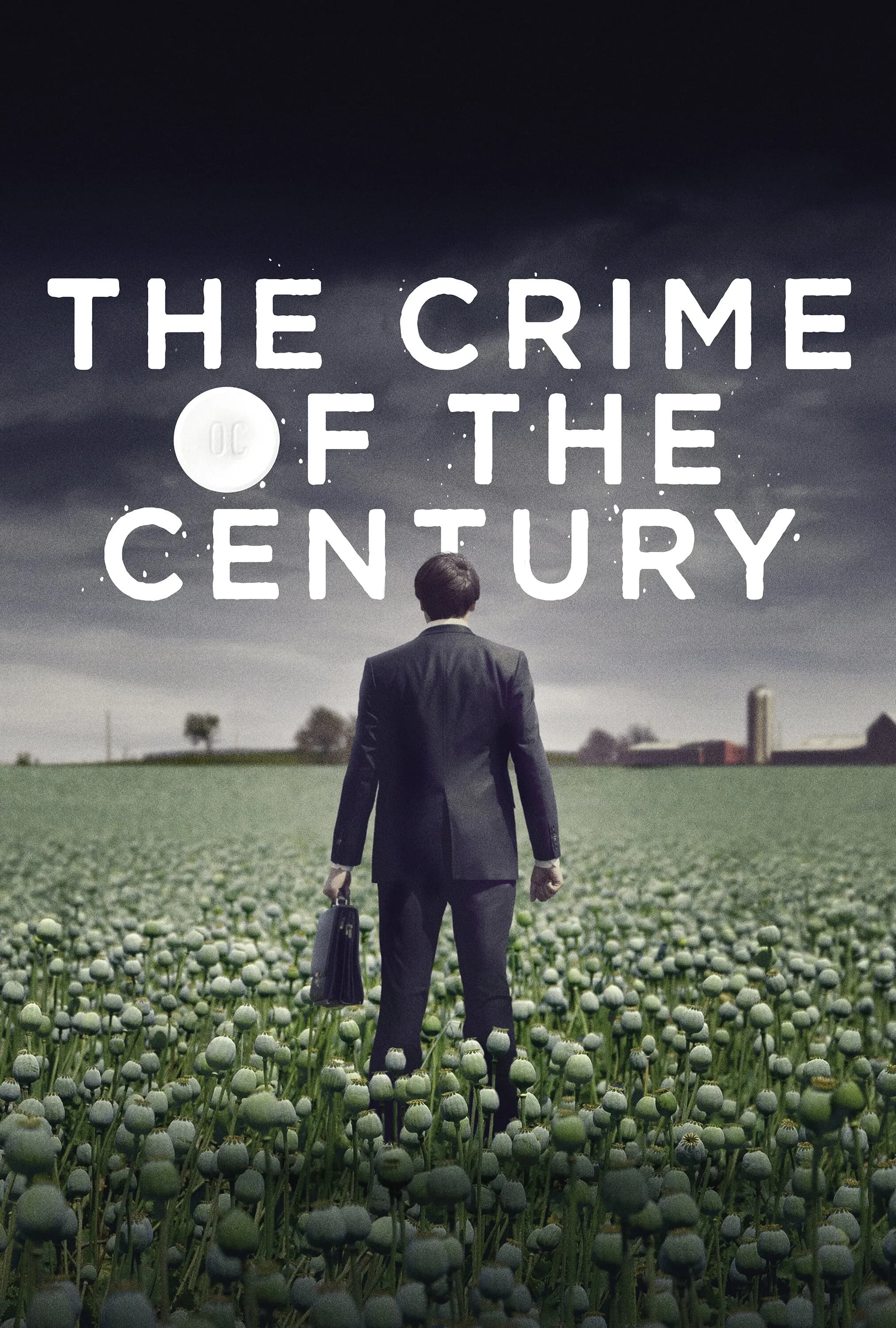
In a true crime context, the case against Purdue Pharma has been used as a label for the breakdown of the system itself: a company that, with knowledge of the risk of addiction, nonetheless maintained and expanded its marketing of an opioid drug. The case is documented in, among other works, the HBO documentary referred to as 'The Crime of the Century' — a reference to the scale of the harm rather than to a single offence.
Purdue Pharma filed for bankruptcy in 2019 as a result of thousands of civil lawsuits from states, municipalities and individuals. The bankruptcy proceedings and the subsequent negotiations over the distribution of settlement funds dragged on for years and involved questions of the extent to which the owning Sackler family could be held personally liable. In 2024, the US Supreme Court considered the question of whether family members could obtain immunity as part of the bankruptcy settlement.
In a legal and criminological context, the Purdue Pharma case represents an example of large-scale corporate crime, in which a private company's actions are attributed causal responsibility for a public health crisis. The case has had a lasting influence on US regulation of prescription medicine, marketing directed at healthcare professionals, and corporate criminal liability.