Bankruptcy
From financial ruin to a tool for fraud and deception
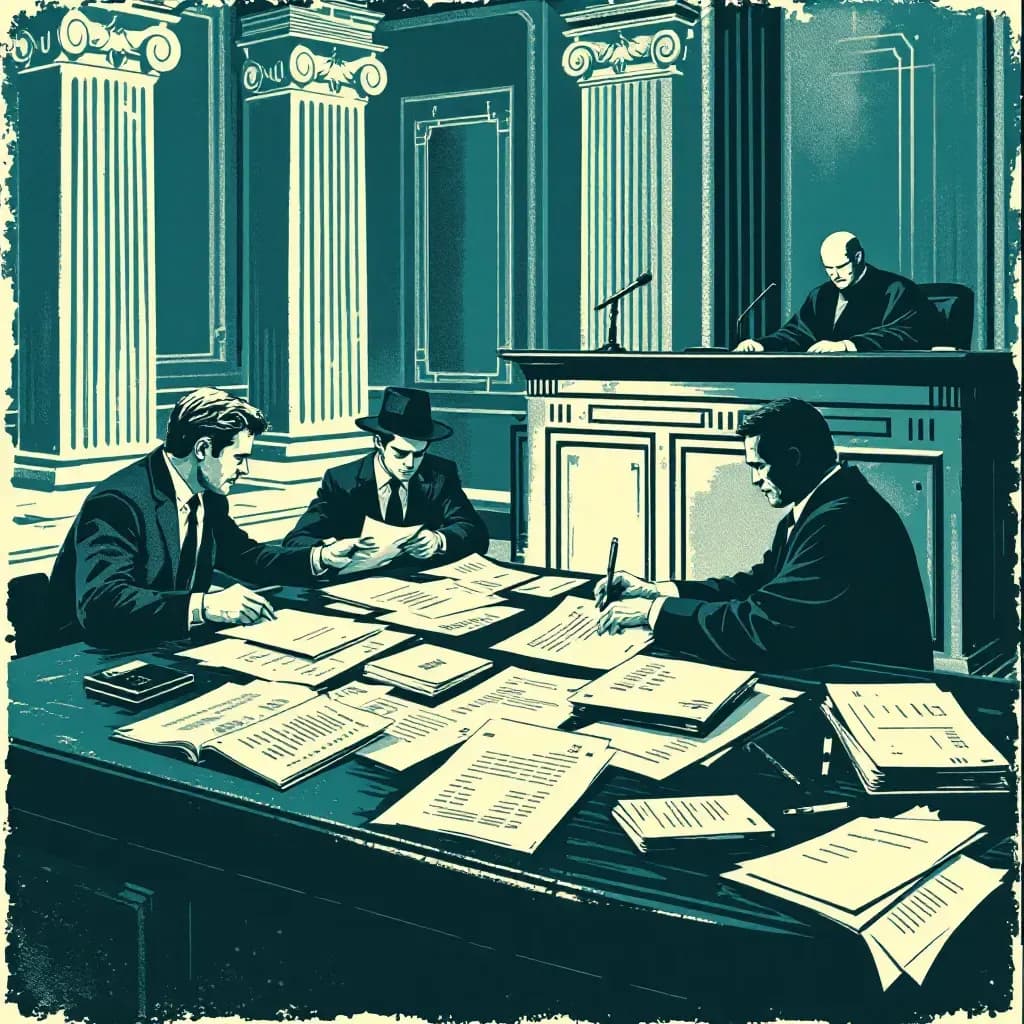
Definition
Bankruptcy isn't always just a misfortune. Discover how it's used as a smokescreen, motive, and method in cases of fraud and financial crime.
From financial ruin to a tool for fraud and deception
From debt to deception: Bankruptcy as a crime cover-up
In the context of true crime, the term bankruptcy often covers far more than just the financial collapse of a company or individual. It can be a carefully planned smokescreen for, a direct result of, or the very pivot of serious financial crime. Technically, bankruptcy occurs when debt becomes unmanageable, but in criminal cases, a bankruptcy can conceal deliberate fraud. A classic example is fraudulent bankruptcy, where assets are systematically removed from the company before bankruptcy to deceive creditors – a clear form of creditor fraud.
Bankruptcy motive: Financial pressure breeds fraud
A looming or ongoing bankruptcy can create a strong motive for further criminal activity. This can include insurance fraud through arson, extensive accounting manipulation, embezzlement, or document forgery to hide the true financial situation. These actions all fall under the umbrella of financial crime. Investigators therefore often view bankruptcies as potential hotbeds for financial crime. The task becomes to uncover complex transactions, see through pro forma accounts, and identify any hidden ownership or straw men to determine if illegal activities lie behind the financial ruin. The focus is not only on the creditors' losses but on the criminal intent and the methods used for illicit enrichment and circumventing the law.
How investigators distinguish real bankruptcy from fraud
Understanding the role of bankruptcy is crucial in the investigation of criminal cases, as it can uncover extensive fraud networks and shed light on the driving forces behind organized and individual financial crime. Bankruptcy is thus a complex phenomenon within true crime, requiring continued close attention from police and the judiciary to distinguish between genuine financial hardship and calculated, punishable fraud.
See how fraudulent bankruptcies and insurance fraud unfold. Delve into real-life cases of bankruptcy – find our compelling cases below.
Weiterlesen
Celsius-Gründer Alexander Mashinsky wegen Kryptobetrugs verurteilt
Alexander Mashinsky, Gründer von Celsius Network, wurde am 8. Mai 2025 zu 12 Jahren Haft verurteilt. Er hatte Kunden über die Sicherheit ihrer Einlagen getäuscht und den Kurs des plattformeigenen Tokens manipuliert.
DeLorean: Vom Autoboss zum Kokain-Verdächtigen
John DeLorean, ehemaliger Topmanager bei General Motors, wurde am 19. Oktober 1982 in Los Angeles wegen angeblichen Kokainhandels verhaftet. Der Autobauer wurde später freigesprochen – das FBI hatte ihn in eine Falle gelockt.
Martha Stewart: Vom Gefängnis zurück ins Rampenlicht
Martha Stewart wurde 2004 wegen Insiderhandels, Verschwörung und falscher Aussagen verurteilt. Die US-Unternehmerin verbüßte 2005 eine zehnmonatige Haftstrafe. Seitdem gelang ihr ein beeindruckendes Karriere-Comeback – mit einem hohen Preis.
Verwandte Artikel
Konkurs på 1. klasse – Jagten på Lauritz-millionerne
DRTV documentary series about the 2023 collapse of Danish auction house Lauritz.com, leaving thousands of customers unpaid for more than DKK 50 million.
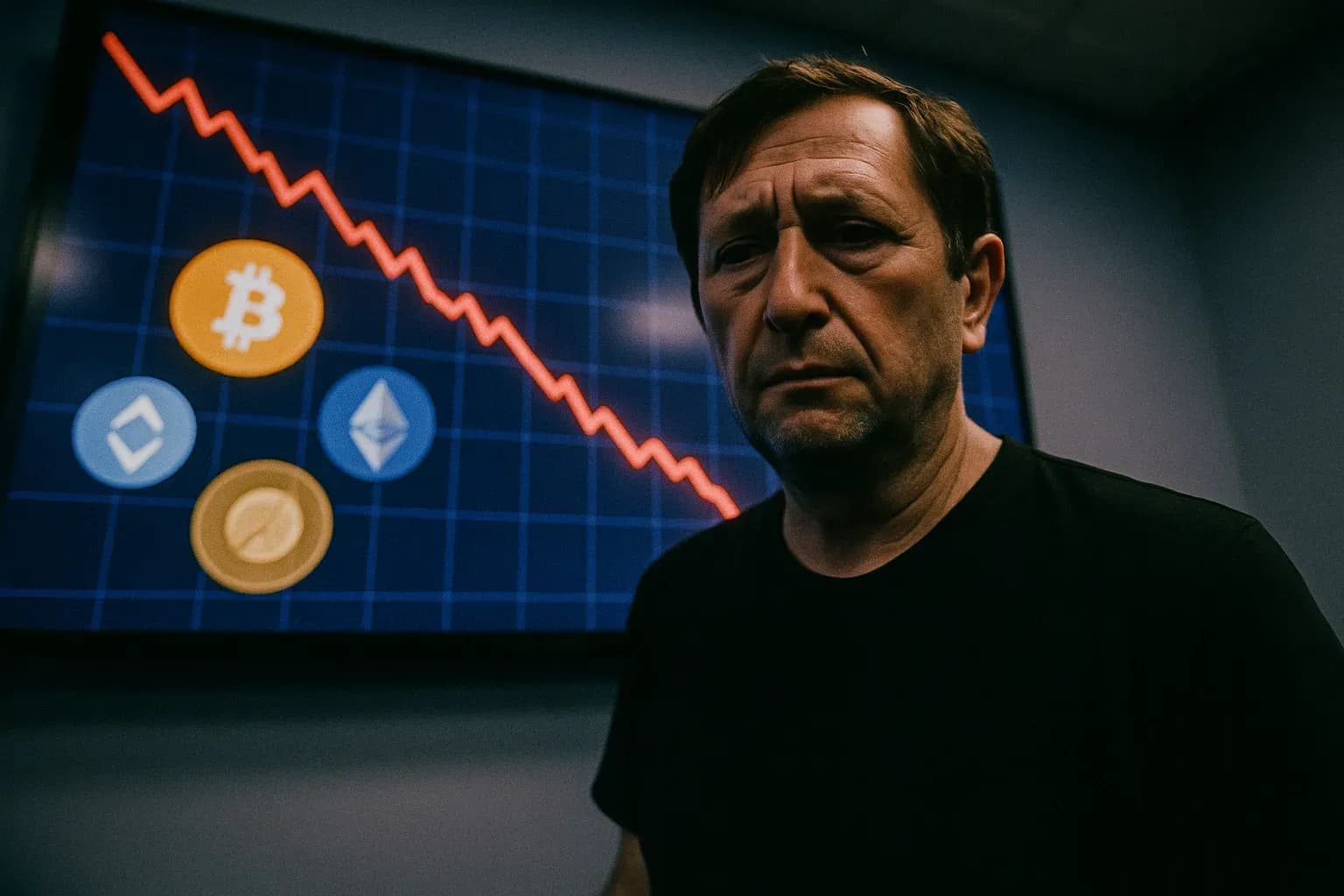
Celsius-Gründer Alexander Mashinsky wegen Kryptobetrugs verurteilt
Alexander Mashinsky, Gründer von Celsius Network, wurde am 8. Mai 2025 zu 12 Jahren Haft verurteilt. Er hatte Kunden über die Sicherheit ihrer Einlagen getäuscht und den Kurs des plattformeigenen Tokens manipuliert.

DeLorean: Vom Autoboss zum Kokain-Verdächtigen
John DeLorean, ehemaliger Topmanager bei General Motors, wurde am 19. Oktober 1982 in Los Angeles wegen angeblichen Kokainhandels verhaftet. Der Autobauer wurde später freigesprochen – das FBI hatte ihn in eine Falle gelockt.

Martha Stewart: Vom Gefängnis zurück ins Rampenlicht
Martha Stewart wurde 2004 wegen Insiderhandels, Verschwörung und falscher Aussagen verurteilt. Die US-Unternehmerin verbüßte 2005 eine zehnmonatige Haftstrafe. Seitdem gelang ihr ein beeindruckendes Karriere-Comeback – mit einem hohen Preis.

Mark Karpelès und der Mt. Gox-Zusammenbruch
Mark Karpelès, CEO der Kryptowährungsbörse Mt. Gox, wurde 2019 wegen Fälschung elektronischer Daten verurteilt. 2014 verschwanden 850.000 Bitcoins von der Börse – einer der größten Krypto-Skandale überhaupt.