Familicide
The ultimate family tragedy – causes, consequences, and the harrowing cases
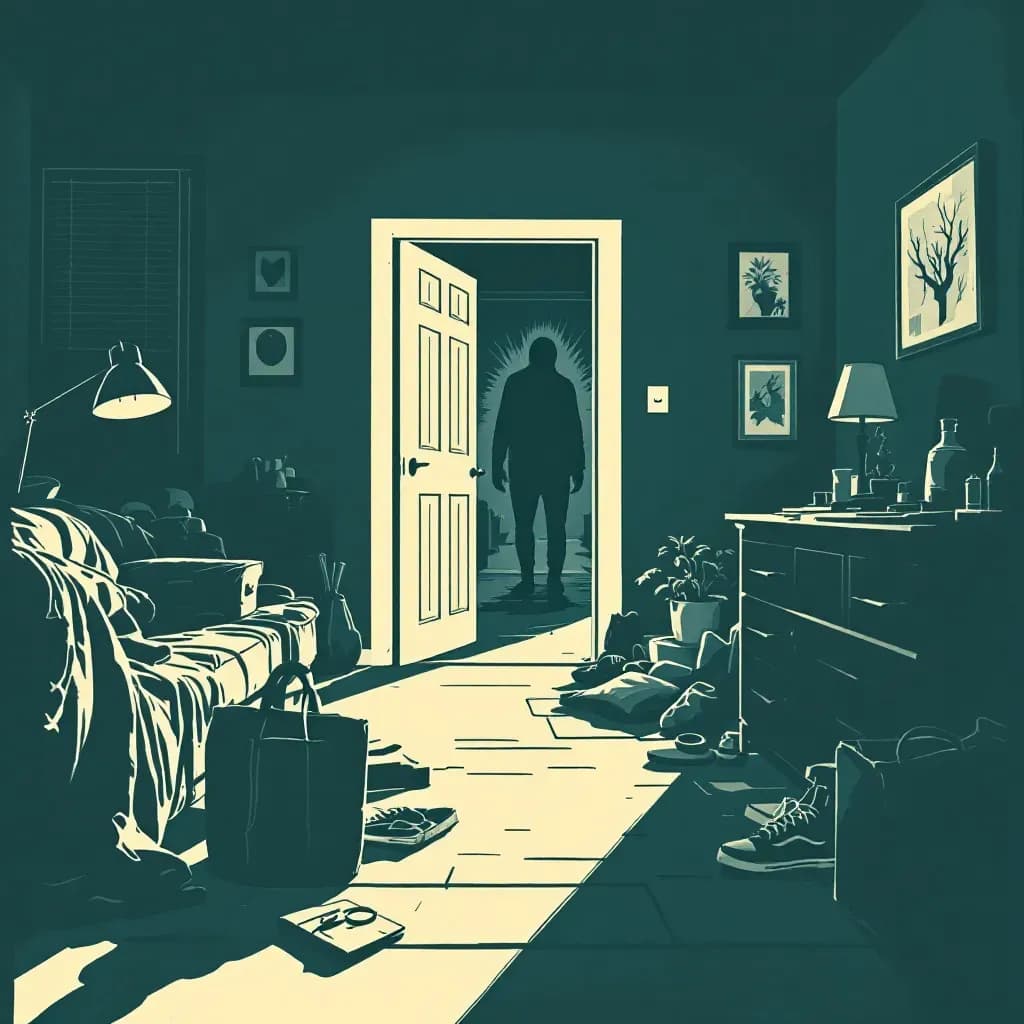
Definition
Familicide shatters the deepest trust. Read about the complex motives, tragic consequences, and why these cases are so profoundly disturbing in true crime.
The ultimate family tragedy – causes, consequences, and the harrowing cases
What defines familicide, and why is the shock intense?
Familicide, also known as family annihilation, refers in the true crime genre to the deeply shocking act where a person kills multiple members of their own family – typically their partner and children, but potentially other relatives as well. These cases constitute a particularly gruesome category of homicide and violence, as they represent a total breach of the most fundamental family bonds and the trust that normally characterizes a home. The shock and grief are often indescribable, not only for the bereaved but for the entire community, which is confronted with the fact that the ultimate act of violence can originate from what should be the safest sanctuary: the home.
Disturbing motives: Why would someone kill their family?
The motives behind a familicide can be complex and deeply disturbing, ranging from a perceived 'mercy killing' in a desperate situation, to extreme control, revenge, or the perpetrator suffering from severe mental illness. Although the perpetrator in many cases subsequently takes their own life, such a violent act always leaves an indelible scar and a burden of unanswered questions. The investigation of a familicide typically focuses not only on establishing the course of events and securing evidence against a perpetrator, but also on uncovering the underlying dynamics and any warning signs that might have been overlooked, in an attempt to understand this type of crime.
Familicide in true crime: Challenges on safety and evil
For true crime enthusiasts, cases of familicide and similar family annihilations are particularly harrowing as they challenge our fundamental notions of safety and human behavior within the family context. These cases shed light on the darkest corners of the human psyche and the potentially fatal consequences of breakdowns in close relationships or society's safety nets. A deeper understanding of the familicide phenomenon is therefore central to gaining insight into the most extreme forms of violent crime against persons and the complex psychological and social factors that can lead to such heartbreaking family tragedies.
Familicide is one of the most shocking crimes. Read about cases that reveal complex motives and incomprehensible tragedies. Delve into real-life cases of familicide – find our compelling cases below.
Weiterlesen
Der Mord an der Familie Amato — Familizid in Florida
Grant Amato erschoss im Januar 2019 seine Eltern und seinen Bruder in Florida, nachdem er über 200.000 Dollar für eine bulgarische Webcam-Darstellerin gestohlen hatte.
Albert Fish: Serienmörder und Kannibale aus den USA
Albert Fish entführte 1928 die zehnjährige Grace Budd in Irvington, New York, ermordete sie und wurde später für mehrere Kindermorde zum Tode verurteilt.
Verwandte Artikel


Der Mord an der Familie Amato — Familizid in Florida
Grant Amato erschoss im Januar 2019 seine Eltern und seinen Bruder in Florida, nachdem er über 200.000 Dollar für eine bulgarische Webcam-Darstellerin gestohlen hatte.
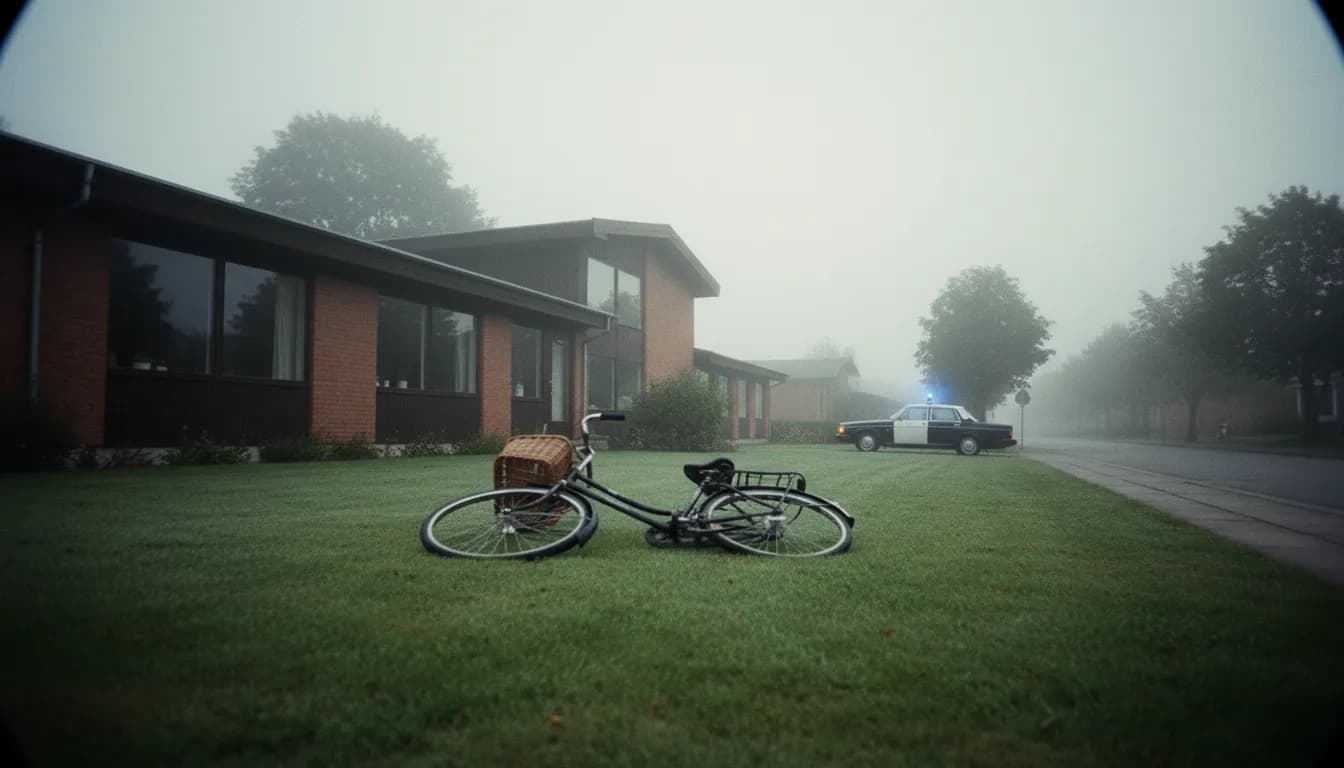
Dänischer Podcast: Familientragödie von 1976 neu aufgerollt
Die Podcast-Serie 'Danske Drabssager' widmet sich einer dunklen Familientragödie aus dem Jahr 1976, bei der ein Familienvater seine gesamte Familie tötete.

Top 10 Podcasts über Verbrechen an Kindern
Verbrechen an Kindern gehören zu den erschütterndsten Fällen der Kriminalgeschichte. Diese zehn Podcast-Episoden beleuchten Fälle, in denen Kinder und Jugendliche Opfer von Gewalt, Vernachlässigung und Mord wurden — von Marc Dutroux' belgischem Albtraum über Clifford Olsons Serienmorde bis zu dänischen Tragödien und amerikanischen Vermisstenfällen.

White House Farm-Massaker: Familiengeheimnisse und Mord
Im August 1985 wurden fünf Familienmitglieder auf der White House Farm in Essex erschossen. Adoptivsohn Jeremy Bamber wurde für das Massaker verurteilt, doch der Fall bleibt umstritten.
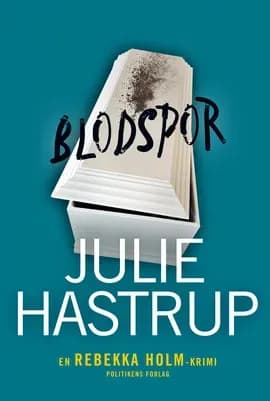
Blodspor: Julie Hastrups True-Crime-Roman verbindet zwei Epochen
Ein fiktiver Familienmord und die Schatten der Franco-Diktatur: Julie Hastrups „Blodspor

Our Father: Fertilitätsarzt missbrauchte eigenes Sperma bei Patientinnen
Die Netflix-Dokumentation 'Our Father' aus dem Jahr 2022 deckt den Fall des Fertilitätsarztes Dr. Donald Cline auf, der in Indianapolis mindestens 94 Frauen ohne deren Wissen mit seinem eigenen Sperma befruchtete.
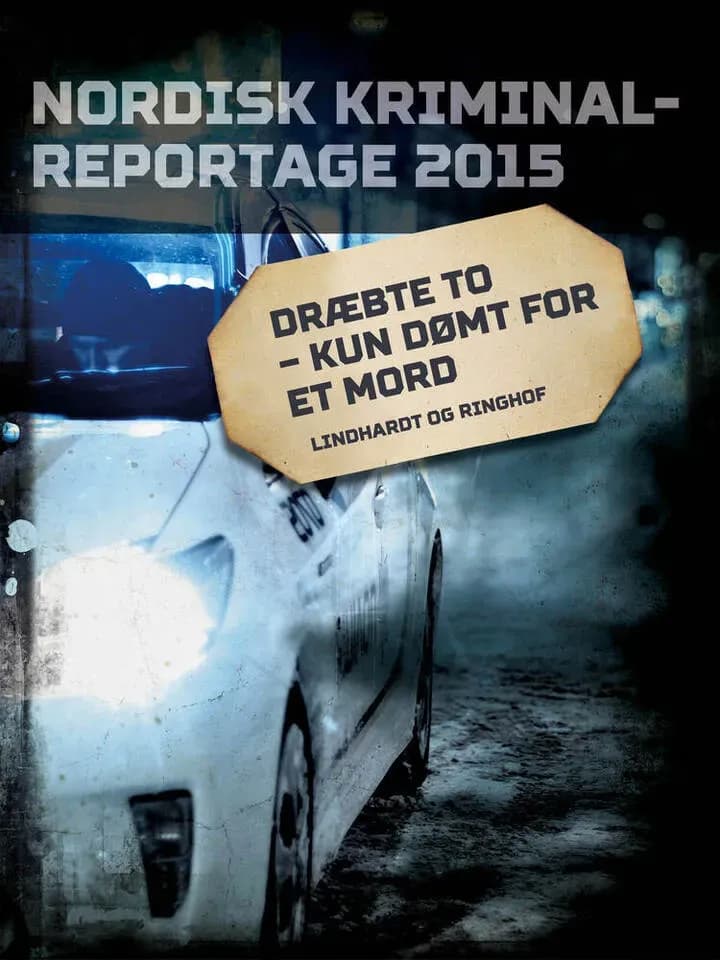
Zwei Tote – nur ein Mord führte zur Verurteilung
In einem schwedischen Kriminalfall wurden zwei Menschen getötet, doch das Rechtssystem verurteilte den Täter nur für einen Mord. Autor Hallberg deckt auf, wie es zu diesem Justizversagen kam.
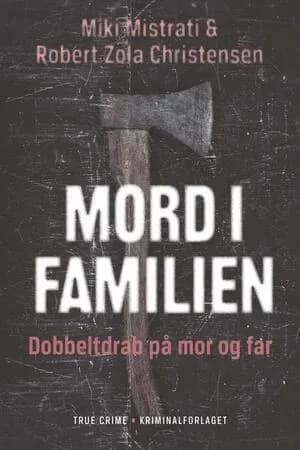
Kriegstrauma und Doppelmord: Neues Buch über Lars Kragh
Der 37-jährige Kriegsveteran Lars Kragh ermordete 2016 seine Eltern in Ostjütland. Ein neues Buch von Christensen und Mistrati analysiert, wie Kriegstraumata und PTSD zu katastrophalen Folgen führen können.
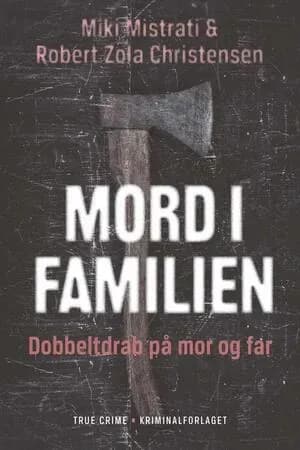
Doppelmord an Eltern durch Kriegsveteran in Ostjütland
Der Kriegssoldat Søren Kragh ermordete 2016 seine Eltern in Ostjütland. Die Leichen wurden erst bei einer Verkehrskontrolle in seinem Kofferraum entdeckt – sieben Tage nach der Tat. Ein neues Buch beleuchtet den Fall.

Tatorte enthüllen Kopenhagens dunkle Vergangenheit
Der dänische Journalist Peer Kaae hat mit 'Gerningssteder' ein umfassendes Werk über Mordfälle in Kopenhagen von 1904 bis 2005 veröffentlicht. Das Buch dokumentiert aufgeklärte und ungelöste Fälle, organisiert nach Stadtteilen.

Albert Fish: Serienmörder und Kannibale aus den USA
Albert Fish entführte 1928 die zehnjährige Grace Budd in Irvington, New York, ermordete sie und wurde später für mehrere Kindermorde zum Tode verurteilt.