forgery
Document forgery under Danish Penal Code § 171, punishable by fine or up to 2 years
Definition
Forgery, under Danish criminal law, is the act of producing, altering or using a document or object in a way that gives it a false or misleading appearance of authenticity. The main legal basis is the Danish Penal Code (straffeloven) § 171 on document forgery, while the sentencing framework is set out in § 172. A document is regarded as false in the criminal law sense when it does not originate from the stated issuer, or when it has been given content that does not come from that issuer. It is therefore not only the physical production of a false document that is punishable, but also the alteration of a genuine document so that it acquires content the issuer has not approved.
The penalty for document forgery is a fine or imprisonment for up to 2 years. If the offence is of a particularly serious nature, or if it involves several connected offences, the penalty can rise to imprisonment for up to 6 years. Seriousness is assessed on the basis of, among other things, the extent of the harm, whether the forgery was systematic in character, and whether it was committed for the purpose of enrichment.
Forgery appears in a wide range of criminal contexts, including identity fraud, fraud, money laundering and organised crime. Typical examples are the production of false passports, driving licences, accounting documents or contracts. Criminal liability generally requires intent — that is, that the perpetrator knew and intended that the document was false or would be used as such.
Weiterlesen
The Little Nicolás Case — Spanish fraud and impersonation scandal
A Spanish fraud case in which Francisco Nicolás Gómez Iglesias posed as a government insider, deceiving institutions and businesses across Madrid from 2014 until his arrest and conviction.
Der Fall Mark Hofmann — Fälscher und Bombenleger aus Salt Lake City
Der Fall Mark Hofmann ist ein US-amerikanischer Doppelmordfall aus dem Jahr 1985, bei dem der Dokumentenfälscher Mark Hofmann in Salt Lake City zwei Menschen mit selbstgebauten Bomben tötete.
Verwandte Artikel
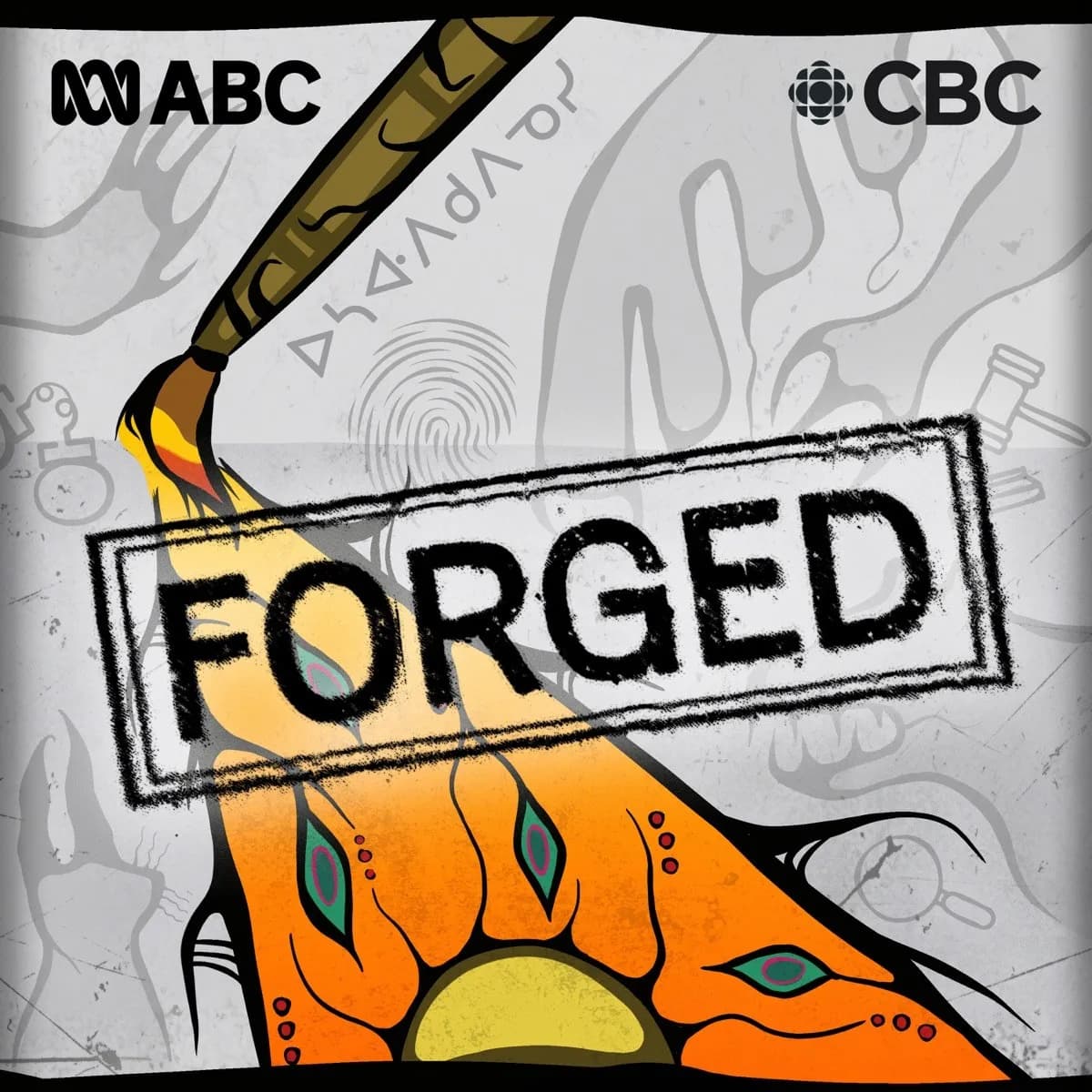
Podcast „Forged“ deckt massiven Kunstbetrug rund um Norval Morrisseau auf
Der Podcast „Forged“ untersucht einen der größten Kunstskandale Kanadas: ein organisiertes Netzwerk aus Fälschern, Händlern und Mittelsmännern, das mehr als 1.000 gefälschte Werke des Ojibwe-Künstlers Norval Morrisseau in Umlauf brachte.

The Little Nicolás Case — Spanish fraud and impersonation scandal
A Spanish fraud case in which Francisco Nicolás Gómez Iglesias posed as a government insider, deceiving institutions and businesses across Madrid from 2014 until his arrest and conviction.

Der Fall Mark Hofmann — Fälscher und Bombenleger aus Salt Lake City
Der Fall Mark Hofmann ist ein US-amerikanischer Doppelmordfall aus dem Jahr 1985, bei dem der Dokumentenfälscher Mark Hofmann in Salt Lake City zwei Menschen mit selbstgebauten Bomben tötete.

Faking Hitler: RTL+ zeigt den Hitler-Tagebücher-Skandal von 1983
Die RTL+-Serie 'Faking Hitler' erzählt den spektakulären Fall der gefälschten Hitler-Tagebücher, die 1983 das Stern-Magazin und die Weltpresse erschütterten. Fälscher Konrad Kujau und Reporter Gerd Heidemann stehen im Mittelpunkt des Betrugs.