Hacking
The invisible crime that enables extortion, fraud, and data theft
Definition
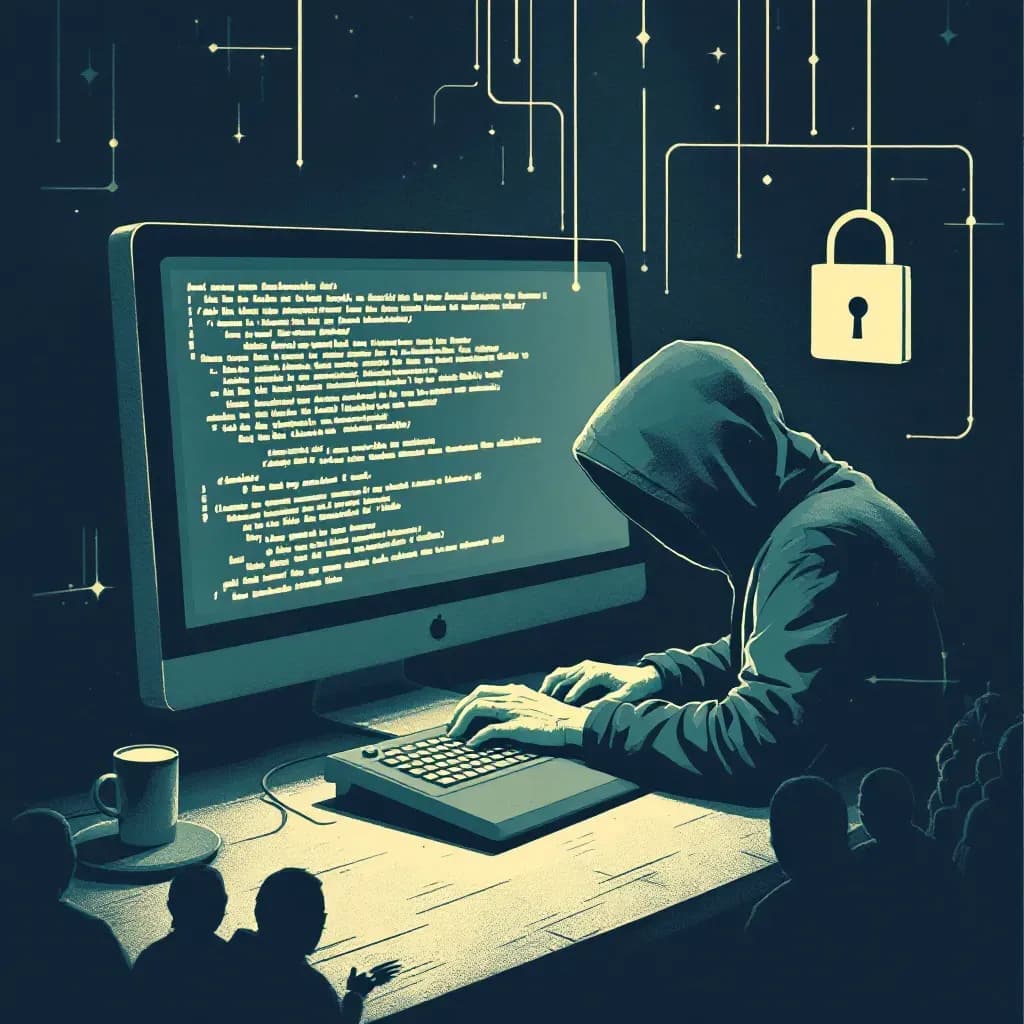
Hacking: Understand the illegal digital intrusion that enables everything from data theft and ransomware to espionage. Uncover the threat in true crime cases.
The invisible crime that enables extortion, fraud, and data theft
What is hacking, and why is it a major digital threat?
Hacking, within a true crime context, refers to the illegal and unauthorized access to, control over, or manipulation of computer systems, networks, or digital devices. It is a criminal act that breaches digital security measures, often with the intent to access, steal, alter, or destroy sensitive data and information. Furthermore, compromised systems can be misused for additional criminal activities such as digital fraud, extortion (often in the form of ransomware), or cyberespionage. This type of digital intrusion, also known as a cyberattack, ranges from simple attempts to guess passwords to advanced, sophisticated attacks that exploit complex vulnerabilities in software and systems. This makes hacking a central component in many forms of modern cybercrime and a persistent threat to both individual and societal digital security.
Ransomware and stalking: Hacking's criminal uses explained
The relevance of hacking in true crime cases is immense, as it constitutes a standalone crime and serves as a tool for committing other forms of digital crime. Perpetrators can use hacking to commit identity theft by stealing personal information, carry out extensive financial fraud, or extort victims, for example, by encrypting data with ransomware until a ransom is paid. Hacking can also facilitate illegal digital surveillance and digital stalking. The consequences for both individual victims and larger organizations can be catastrophic, ranging from financial ruin and reputational damage to deep personal violation and extensive data breaches where large amounts of sensitive information are compromised. The investigation of hacking cases is notoriously complex and resource-intensive. It requires specialized digital investigation and computer forensics and often involves an international hunt for perpetrators who skillfully hide their digital footprints and operate anonymously across borders.
Behind attacks: What drives hackers, and how to stop them?
The motives behind hacking are diverse and can include financial gain, industrial espionage, politically motivated hacktivism – where hacking is used as a means of protest – or personal revenge. The constant and rapid technological development creates an ongoing race between malicious hackers, who continuously seek out and exploit new security holes and vulnerabilities, and cybersecurity experts, who work to identify, patch, and prevent these digital threats. A thorough understanding of hacking and its methods is therefore essential to comprehend the modern threat landscape and the extent of cybercrime. This highlights the vulnerability of our increasingly digitized society and the complex, persistent challenge this poses for law enforcement, data security, and general public safety.
Explore cases of digital extortion and sophisticated data theft. Read concrete examples of hacking in action – explore our in-depth cases below.
Weiterlesen
Der Hunter-Moore-Fall — Revenge-Porn und E-Mail-Hacking
Der Hunter-Moore-Fall ist ein US-Bundesverfahren um die Revenge-Porn-Website IsAnyoneUp.com, deren Betreiber gehackte Nacktfotos veröffentlichte und 2015 zu Haft verurteilt wurde.
Chinesische Militärhacker stahlen Daten von 150 Millionen Amerikanern
Im Januar 2020 klagte die US-Justiz vier Mitglieder der chinesischen Volksbefreiungsarmee wegen des Equifax-Hacks von 2017 an. Sie stahlen sensible Daten von bis zu 150 Millionen Menschen – der größte staatlich gesteuerte Datendiebstahl der Geschichte.
700 Millionen LinkedIn-Profile gehackt und verkauft
Im Juni 2021 entwendete ein Hacker mit dem Alias „Tom Liner
Verwandte Artikel
Der Hunter-Moore-Fall — Revenge-Porn und E-Mail-Hacking
Der Hunter-Moore-Fall ist ein US-Bundesverfahren um die Revenge-Porn-Website IsAnyoneUp.com, deren Betreiber gehackte Nacktfotos veröffentlichte und 2015 zu Haft verurteilt wurde.

Chinesische Militärhacker stahlen Daten von 150 Millionen Amerikanern
Im Januar 2020 klagte die US-Justiz vier Mitglieder der chinesischen Volksbefreiungsarmee wegen des Equifax-Hacks von 2017 an. Sie stahlen sensible Daten von bis zu 150 Millionen Menschen – der größte staatlich gesteuerte Datendiebstahl der Geschichte.

700 Millionen LinkedIn-Profile gehackt und verkauft
Im Juni 2021 entwendete ein Hacker mit dem Alias „Tom Liner

Marriott-Datenleck: 500 Millionen Hotelgäste betroffen
Einer der größten Cybercrime-Fälle der Hotelbranche: Hacker verschafften sich Zugang zu sensiblen Daten von 500 Millionen Gästen der Marriott-Tochter Starwood – darunter Passnummern und Kreditkartendaten.

Mark Karpelès und der Mt. Gox-Zusammenbruch
Mark Karpelès, CEO der Kryptowährungsbörse Mt. Gox, wurde 2019 wegen Fälschung elektronischer Daten verurteilt. 2014 verschwanden 850.000 Bitcoins von der Börse – einer der größten Krypto-Skandale überhaupt.

Hafnium: Chinesische Hacker legten Microsoft Exchange lahm
Im Januar 2021 nutzte die chinesische Hackergruppe Hafnium vier unbekannte Sicherheitslücken in Microsoft Exchange aus. Zehntausende Server wurden kompromittiert, bevor Microsoft am 2. März 2021 Patches veröffentlichte. Was folgte, war eine globale Welle aus Spionage, Datendiebstahl und Ransomware.
7 Millionen Robinhood-Nutzer von Datenpanne betroffen
Am 3. November 2021 infiltrierte ein unbekannter Hacker die US-amerikanische Handelsplattform Robinhood durch Social Engineering und stahl Daten von rund 7 Millionen Nutzern.

Sony-Hack 2014: Nordkoreas Cyberangriff auf die Meinungsfreiheit
2014 wurde der Unterhaltungsriese Sony Opfer eines massiven Cyberangriffs, bei dem rund 100 Terabyte Daten gestohlen wurden. Die USA machten Nordkorea verantwortlich und sahen darin einen Versuch, die Veröffentlichung einer Filmkomödie zu verhindern.
Twitch-Hack: Millioneneinnahmen von Streamern aufgedeckt
Ein massives Datenleck bei der Streaming-Plattform Twitch im Jahr 2021 legte die Einnahmen der 100 erfolgreichsten Streamer offen. Die gehackten Daten zeigten, dass die Top-Verdiener zwischen August 2019 und Oktober 2021 Millionenbeträge erwirtschaftet hatten.

WannaCry: Cyberangriff legte britisches Gesundheitssystem lahm
Am 12. Mai 2017 infizierte die Ransomware WannaCry bis zu 300.000 Computer in über 150 Ländern. Besonders drastisch traf es das britische Gesundheitssystem NHS: 19.000 Termine wurden abgesagt, Operationen verschoben. Ein junger Cybersicherheitsforscher fand die Notbremse.
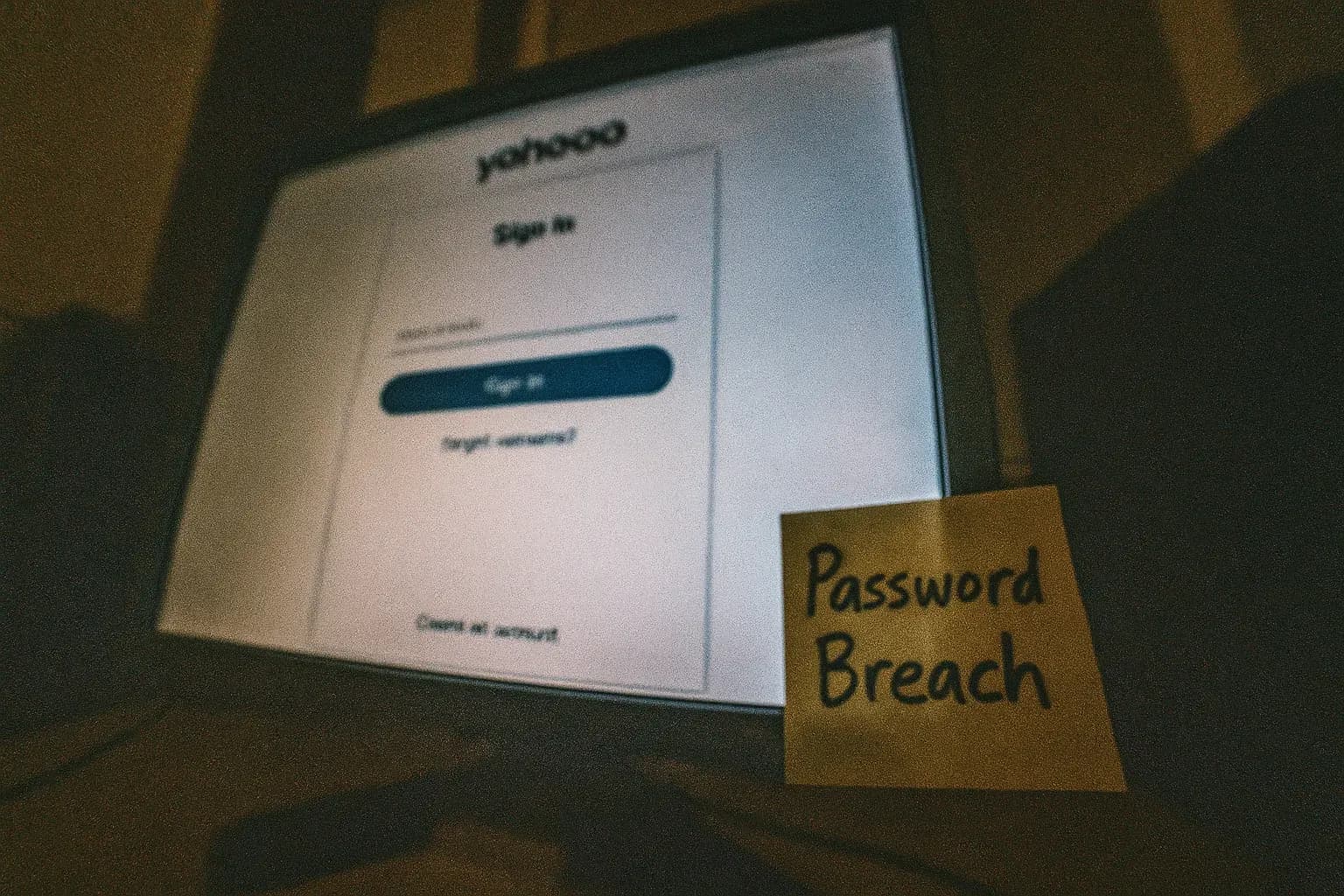
Yahoo-Hack: 3 Milliarden Konten kompromittiert
Im August 2013 infiltrierten Hacker die Systeme von Yahoo und operierten über drei Jahre lang unbemerkt. Im Dezember 2016 gab Yahoo bekannt, dass 3 Milliarden Nutzerkonten durch zwei separate Sicherheitsverletzungen kompromittiert wurden.