Manipulation
The invisible weapons criminals use to control and deceive

Definition
What is manipulation in true crime? Understand the insidious tactics, from gaslighting to lies, criminals use to break down and control their victims.
The invisible weapons criminals use to control and deceive
What is manipulation, and why is it so dangerous?
In the context of true crime, manipulation is a perpetrator's deliberate and often insidious attempt to influence or control others' thoughts, feelings, or actions for personal gain – typically to commit or conceal a crime, or to escape its consequences. This form of psychological warfare is not always overt but rather a gradual undermining of the victim's will and perception of reality, making it a particularly dangerous tool in criminal hands. It often leaves victims confused and unable to recognize the danger until it is too late.
The manipulator's methods: Charm to crushing gaslighting
Perpetrators who use manipulation – a behavior often seen in individuals with personality traits associated with psychopathy, for example – employ a wide spectrum of tactics. These include charm, lies, flattery, guilt-tripping, threats of isolation, or even gaslighting, where the victim is systematically made to doubt their own memory and judgment. The goal of this psychological manipulation is to gain control, whether to defraud the victim of assets, force them into silence, secure their complicity in criminal acts, or keep them in a harmful relationship. The effect on victims can be devastating, as manipulation attacks their self-esteem and ability to trust their own instincts, complicating their path to justice and healing after the crime.
Manipulation's role in probes: Key to understanding dynamics
Understanding manipulation is therefore crucial within true crime and the study of criminology, as it not only illuminates the perpetrator's modus operandi but also the complex psychological dynamics between perpetrator and victim. It reveals how seemingly strong individuals can become victims and underscores the challenges investigators face in uncovering and proving this often invisible form of abuse, which is an essential part of many types of crime. The many faces of manipulation and its profound psychological impact, often studied within forensic psychology and criminology, make it a persistent and complex element in criminal cases and a central object of study for those seeking to understand the darker sides of crime.
What does manipulation look like in practice? Explore cases of insidious control and gaslighting. Read our harrowing cases on Manipulation below.
Weiterlesen
Ashley Madison-Hack: Millionen Nutzer bloßgestellt
Im Juli 2015 wurde die Dating-Plattform Ashley Madison Opfer eines massiven Hackerangriffs. Millionen Nutzerdaten wurden veröffentlicht – mit verheerenden Folgen: zerstörte Ehen, verlorene Jobs und mehrere Selbstmorde.
Celsius-Gründer Alexander Mashinsky wegen Kryptobetrugs verurteilt
Alexander Mashinsky, Gründer von Celsius Network, wurde am 8. Mai 2025 zu 12 Jahren Haft verurteilt. Er hatte Kunden über die Sicherheit ihrer Einlagen getäuscht und den Kurs des plattformeigenen Tokens manipuliert.
570 Millionen Euro bei Binance-Hack gestohlen
Am 4. Oktober 2022 stahlen Cyberkriminelle rund 570 Millionen Euro von der Kryptobörse Binance. Die Täter nutzten eine Sicherheitslücke in einer Smart-Contract-Brücke aus. Bis heute ist niemand identifiziert.
Verwandte Artikel


Toxic
Toxic is a 2025 Investigation Discovery/Max docuseries hosted by Elizabeth Chambers examining multiple real cases of toxic relationships that spiral into violence, manipulation, and tragedy.
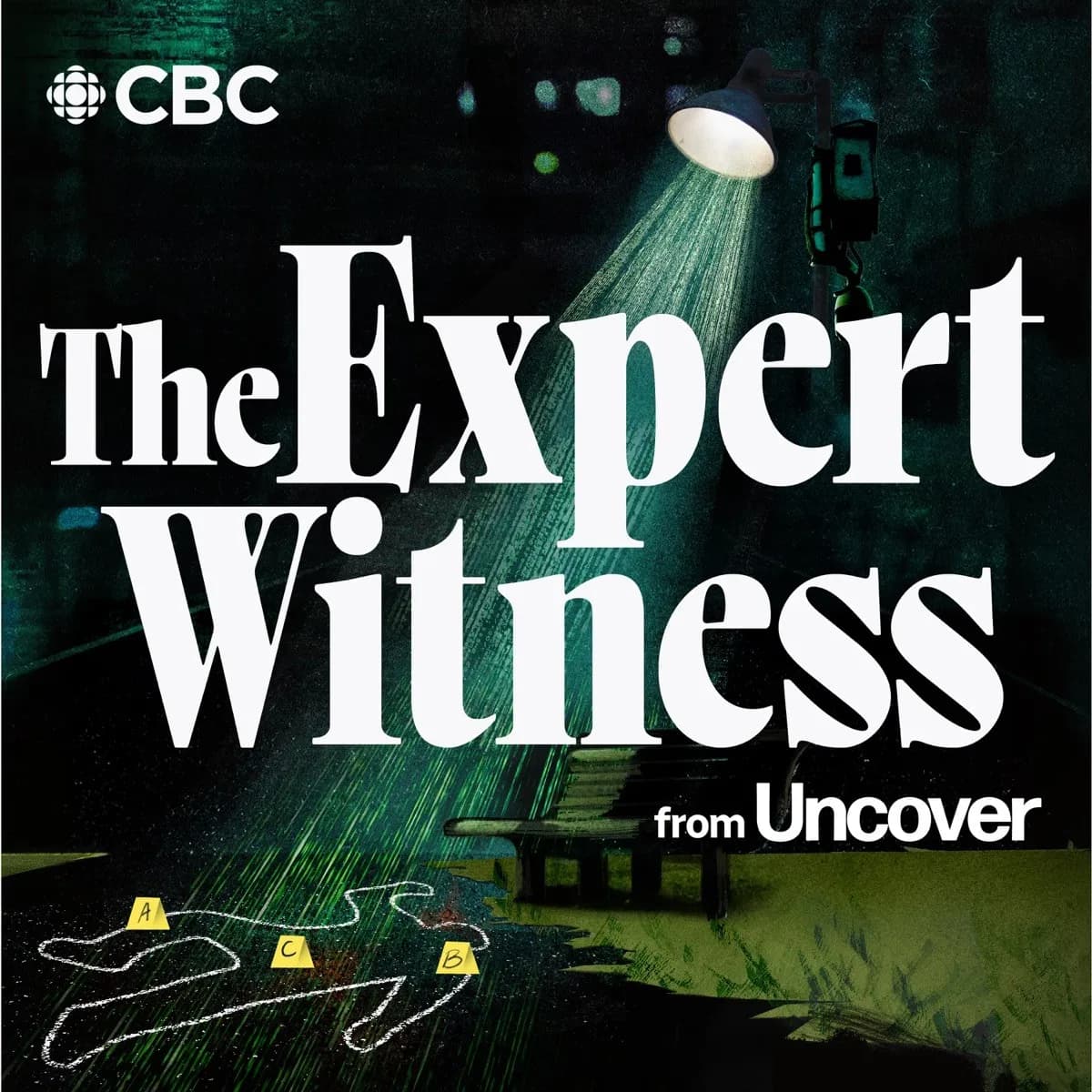
Podcast Exposes How Pregnancy Lies Manipulated Caregivers
The podcast series 'The Expert Witness from Uncover' dives into the story of Kaitlyn Braun, whose escalating lies about rape, infant loss, and a coma drove doulas and birth workers to fight for her — until the truth began to unravel.

Someone Knows Something: Schwangere Frau im Netz der Lügen
Die preisgekrönte CBC-Podcast-Serie Someone Knows Something untersucht in sechs neuen Folgen den Fall Kaitlyn Braun: eine schwangere Frau, deren Leben durch ein verzweigtes Netz aus Lügen, Manipulation und dramatischen Wendungen erschüttert wurde.

Kanadischer Podcast enthüllt Kultsekte einer schwangeren Lügnerin
In Kanada verführt und manipuliert die junge Schwangere Kaitlyn Braun eine Gruppe von Geburtshelfern und zieht sie in ein eskalierendes Netz aus Lügen über Vergewaltigung, Kindstod und Koma. Der kanadische Podcast Uncover erzählt die Geschichte in sechs Teilen.

Killer Charm: Der Mord an Bruce Saunders
Sharon Graham, Großmutter aus Queensland und Ex-Partnerin von Bruce Saunders, steckte hinter seinem Mord im Jahr 2017 auf einem Landgut nördlich von Brisbane. Die Podcast-Serie „Crime in Focus: Killer Charm“ rekonstruiert den Fall anhand forensischer Beweise, Zeugenaussagen und Polizeiverhören.

Podcast deckt Adoptionszwang in christlichem Heim auf
Die Podcast-Serie 'Liberty Lost' mit Journalist T.J. Raphael enthüllt Vorwürfe über erzwungene Adoptionen im Liberty Godparent Home auf dem Campus der Liberty University. Die erste Episode begleitet die 16-jährige Abbi, die von ihren Eltern in das Heim geschickt wurde, wo Bewohnerinnen angeblich unter Druck gesetzt wurden, ihre Kinder zur Adoption freizugeben.

Svenska brott: Bodenfallet zeigt Schwächen der schwedischen Justiz
2016 veröffentlichten der Jurist Thomas Bodström und der Journalist Lars Olof Lampers das Buch 'Svenska brott - Bodenfallet', das einen kontroversen schwedischen Kriminalfall analysiert. Das Werk deckt auf, wie ein junger Mann auf Basis mangelhafter Beweise verurteilt wurde.

Norges dunkle Seiten: Der Mordfall Birgitte Tengs
Der Mord an der 17-jährigen Birgitte Tengs im Mai 1995 erschütterte Norwegen – und ist bis heute ungelöst. Die Serie „Norske Mysterier og Mord“ rollt den Fall neu auf.

Ashley Madison-Hack: Millionen Nutzer bloßgestellt
Im Juli 2015 wurde die Dating-Plattform Ashley Madison Opfer eines massiven Hackerangriffs. Millionen Nutzerdaten wurden veröffentlicht – mit verheerenden Folgen: zerstörte Ehen, verlorene Jobs und mehrere Selbstmorde.

Celsius-Gründer Alexander Mashinsky wegen Kryptobetrugs verurteilt
Alexander Mashinsky, Gründer von Celsius Network, wurde am 8. Mai 2025 zu 12 Jahren Haft verurteilt. Er hatte Kunden über die Sicherheit ihrer Einlagen getäuscht und den Kurs des plattformeigenen Tokens manipuliert.

570 Millionen Euro bei Binance-Hack gestohlen
Am 4. Oktober 2022 stahlen Cyberkriminelle rund 570 Millionen Euro von der Kryptobörse Binance. Die Täter nutzten eine Sicherheitslücke in einer Smart-Contract-Brücke aus. Bis heute ist niemand identifiziert.