NSU
Far-right German terror cell behind ten murders, exposed only in 2011
Definition
NSU is the abbreviation for Nationalsozialistischer Untergrund, a far-right terrorist group in Germany that operated clandestinely from the late 1990s until 2011. At its core the group consisted of three people: Uwe Mundlos, Uwe Böhnhardt and Beate Zschäpe, who went underground in 1998 after being sought by German authorities for weapons-related offences.
Between 2000 and 2006 the NSU committed nine racially motivated murders of men of Turkish and Greek background in various parts of Germany. In 2007 a female police officer was also killed in Heilbronn. In addition to the killings, the group carried out two bombings in Cologne as well as a series of bank robberies that financed its activities. For years the victims' families and communities were wrongly cast under suspicion by police, who did not investigate a racist motive.
The existence of the NSU first became publicly known in November 2011, when Mundlos and Böhnhardt died — Mundlos killed Böhnhardt and then took his own life — following a failed bank robbery. Zschäpe subsequently set fire to the pair's shared residence in Zwickau and shortly afterwards turned herself in to police. Items found at the scene and in the burnt-out flat revealed the scale of the group's crimes.
The ensuing criminal trial, commonly referred to as the NSU trial, took place at the Higher Regional Court of Munich (Oberlandesgericht München) and lasted from 2013 to 2018. Beate Zschäpe was sentenced to life imprisonment as a co-perpetrator of all the offences, including all ten murders. The Federal Court of Justice (Bundesgerichtshof) later heard appeals on points of law in the case and essentially upheld the judgments.
The case exposed serious systemic failures within German intelligence services and police, including the fact that the authorities had for years held information about the individuals behind the NSU without responding adequately. Parliamentary inquiry committees at both federal and state level documented these failures, and the case has left lasting marks on the German debate about racism, state responsibility and oversight of the intelligence services.
Weiterlesen
Verwandte Artikel

Der NSU-Komplex: Neun Morde, ein Jahrzehnt der Ermittlungsfehler
Zwischen 2000 und 2006 ermordete der Nationalsozialistische Untergrund neun Migranten in deutschen Städten. Die Polizei verdächtigte die Opferfamilien, während das Terror-Trio unbehelligt weitermordete.

NSU – Die Akten: Tanjev Schultz enthüllt Verfassungsschutz-Versagen
Tanjev Schultz veröffentlichte im Februar 2021 das bislang umfassendste Werk über das Behördenversagen im NSU-Komplex. Basierend auf über 1.000 Aktenseiten zeigt er: Der Verfassungsschutz wusste seit 1998 vom Untertauchen der Rechtsterroristen – und schwieg, während zehn Menschen ermordet wurden.
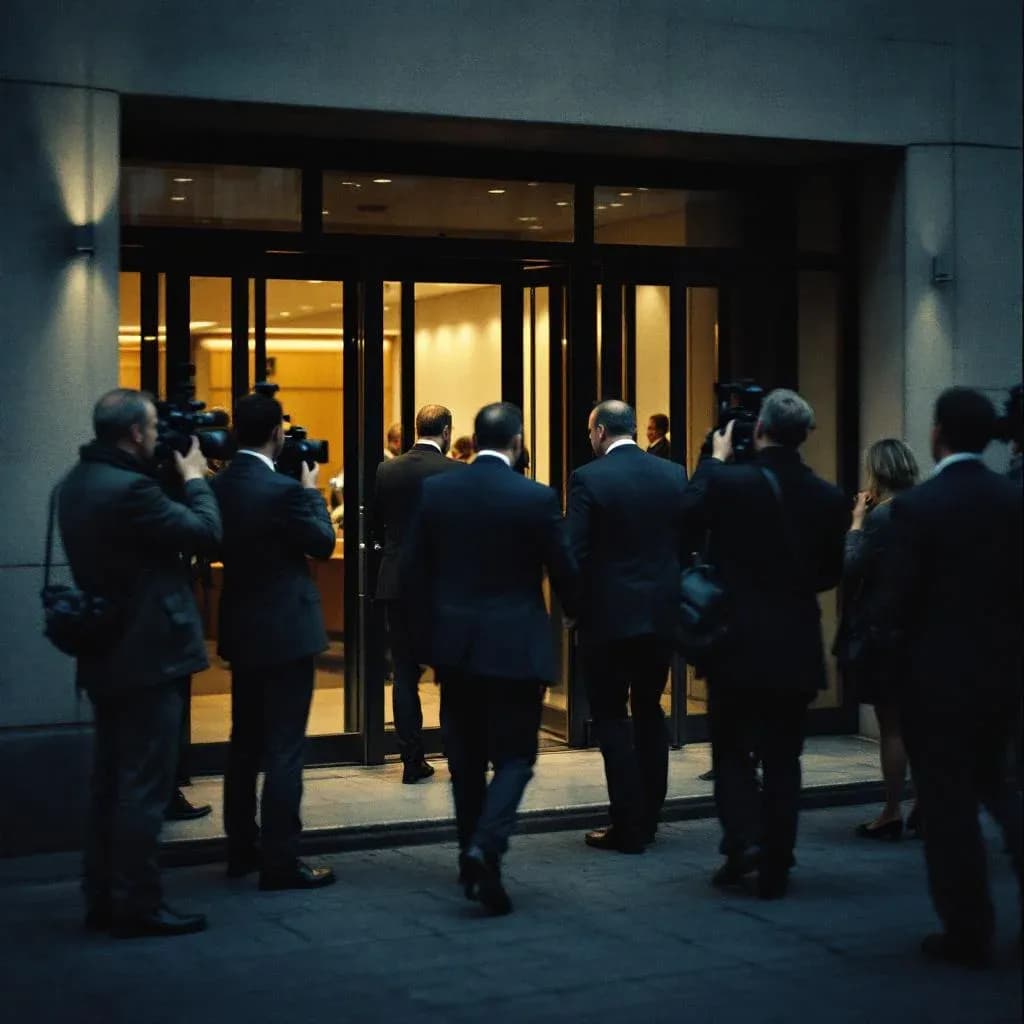
Das Kartell — Nils Minkmar über den NSU-Prozess
Nils Minkmars Buch dokumentiert den fünfjährigen NSU-Prozess in München und stellt unbequeme Fragen über das Versagen deutscher Sicherheitsbehörden, systematische Vertuschung und die Grenzen des Rechtsstaats.