Radicalization
The process leading to violent extremism and terror
Definition
Radicalization: The gradual path to violent extremism. Understand the process, online dangers, and its profound consequences for society and victims.
The process leading to violent extremism and terror
What is radicalization and why a path to violence?
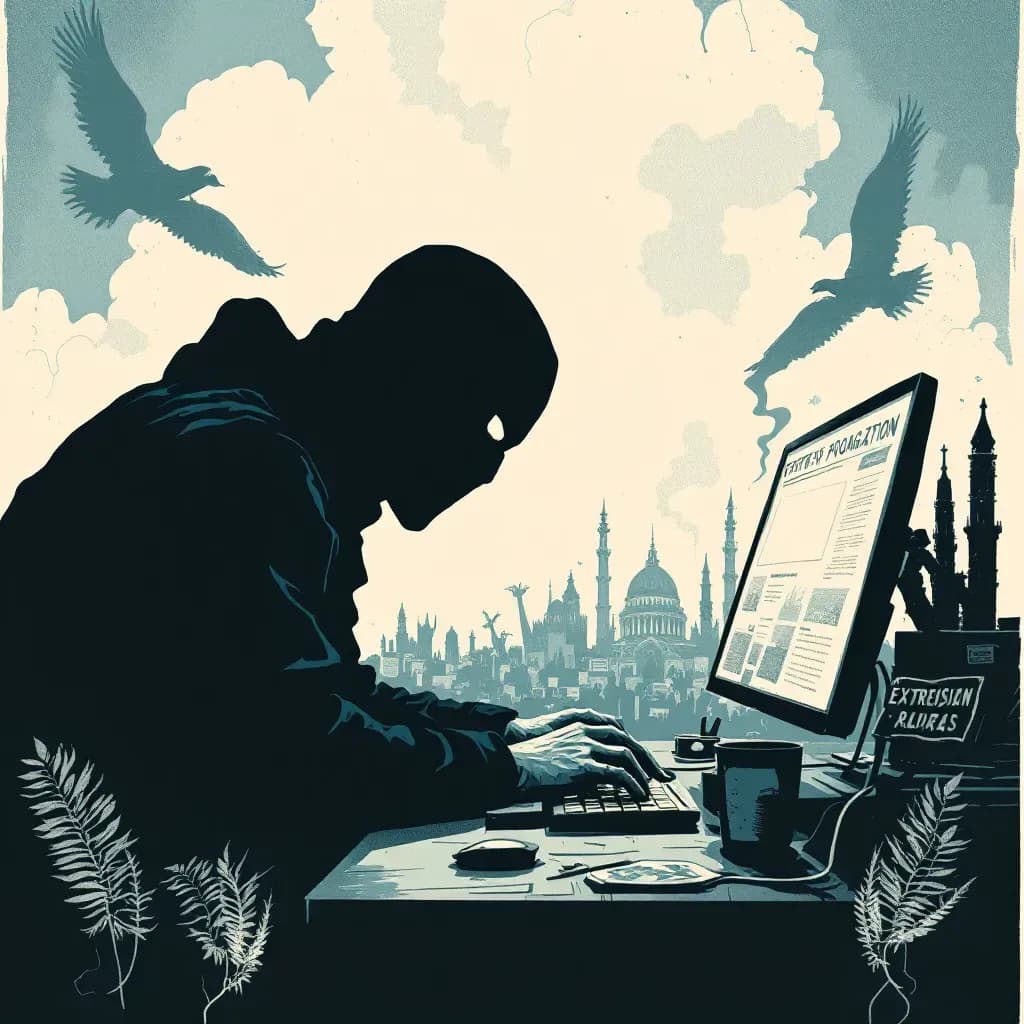
Radicalization, a key concept in true crime, describes the often gradual process by which a person or group adopts and internalizes extreme ideologies. These ideologies can legitimize and motivate violent acts, serious crime, and, in the most extreme cases, terrorism. It is rarely a sudden transformation but rather a development where an individual's worldview narrows significantly, and the distance to society's common norms and values increases dramatically. Understanding this dynamic is crucial in many true crime cases, as it sheds light on how seemingly ordinary people can end up committing heinous crimes in service of a cause they perceive as just or necessary.
Propaganda: What ignites and sustains radicalization?
The process can be fueled by a complex cocktail of personal vulnerabilities, social factors such as isolation or intense group pressure, and strong influence from extremist propaganda. This propaganda is often spread effectively via online platforms, increasing the risk of online radicalization. Once an individual is caught in a radicalized environment, it can be extremely difficult to break free, as echo chambers and like-minded individuals constantly confirm and reinforce extreme beliefs. The consequences of radicalization extend far beyond the direct victims of the violence or terror that may follow; they also inflict deep scars on families and local communities and create widespread fear and mistrust in society as a whole.
From thought to terror: Radicalization's big challenge
Investigating crimes rooted in radicalization poses an enormous challenge for authorities. It requires a delicate balance between identifying potential threats to society and respecting fundamental individual rights. Predicting who will cross the line from extreme thinking to actual violent action is notoriously difficult. A thorough understanding of the complex mechanisms of radicalization is therefore not only crucial for effective investigation and solving committed crimes, including violence and terrorism, but is also essential for long-term efforts to prevent extremism and the tragic consequences it entails.
How does radicalization lead to terror and violence? Delve into real-life cases of Radicalization – find our compelling cases below.
Weiterlesen
Messerangriff in Mannheim 2024
Am 31. Mai 2024 ereignete sich während einer Demonstration auf dem Mannheimer Marktplatz ein Messerangriff. Der Täter verletzte sechs Personen, darunter fünf Polizeibeamte.
Anschlag von Halle 2019
Am 9. Oktober 2019 versuchte Stephan Balliet, eine Synagoge in Halle anzugreifen. Als ihm dies misslang, erschoss er zwei Menschen in einem Döner-Imbiss.
Oklahoma City 1995: Der tödlichste Terroranschlag in der US-Geschichte
Am 19. April 1995 zündete der Amerikaner Timothy McVeigh eine Autobombe vor einem Regierungsgebäude in Oklahoma City und tötete 168 Menschen, darunter 19 Kinder. Der Anschlag gilt bis heute als schwerster Fall von Inlandsterrorismus in den USA.
Verwandte Artikel

Cui Bono: Wie ein Podcast die Radikalisierung von Ken Jebsen offenlegte
Der investigative Podcast «Cui Bono» zeichnet die Radikalisierung des ehemaligen Radiomoderators Ken Jebsen nach und setzte neue Maßstäbe für Audio-Journalismus in Deutschland

Messerangriff in Mannheim 2024
Am 31. Mai 2024 ereignete sich während einer Demonstration auf dem Mannheimer Marktplatz ein Messerangriff. Der Täter verletzte sechs Personen, darunter fünf Polizeibeamte.

Anschlag von Halle 2019
Am 9. Oktober 2019 versuchte Stephan Balliet, eine Synagoge in Halle anzugreifen. Als ihm dies misslang, erschoss er zwei Menschen in einem Döner-Imbiss.
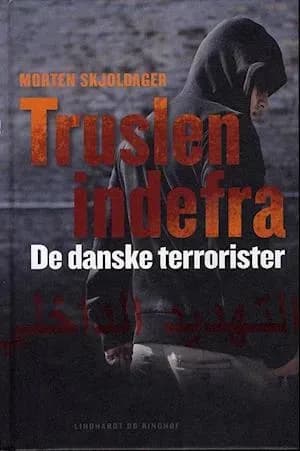
Truslen indefra afslører Danmarks skjulte terrormønstre
Journalist Morten Skjoldager udgav i 2009 bogen 'Truslen indefra', der systematisk dokumenterer hvordan islamistisk terror tog rod i Danmark gennem fire centrale sager. Med adgang til politiets efterretningstjeneste PET's rapporter og interviews med sikkerhedsverdenen afslører Skjoldager radikaliseringsnetværk blandt unge muslimske mænd.

Kriegstrauma und Doppelmord: Neues Buch über Lars Kragh
Der 37-jährige Kriegsveteran Lars Kragh ermordete 2016 seine Eltern in Ostjütland. Ein neues Buch von Christensen und Mistrati analysiert, wie Kriegstraumata und PTSD zu katastrophalen Folgen führen können.
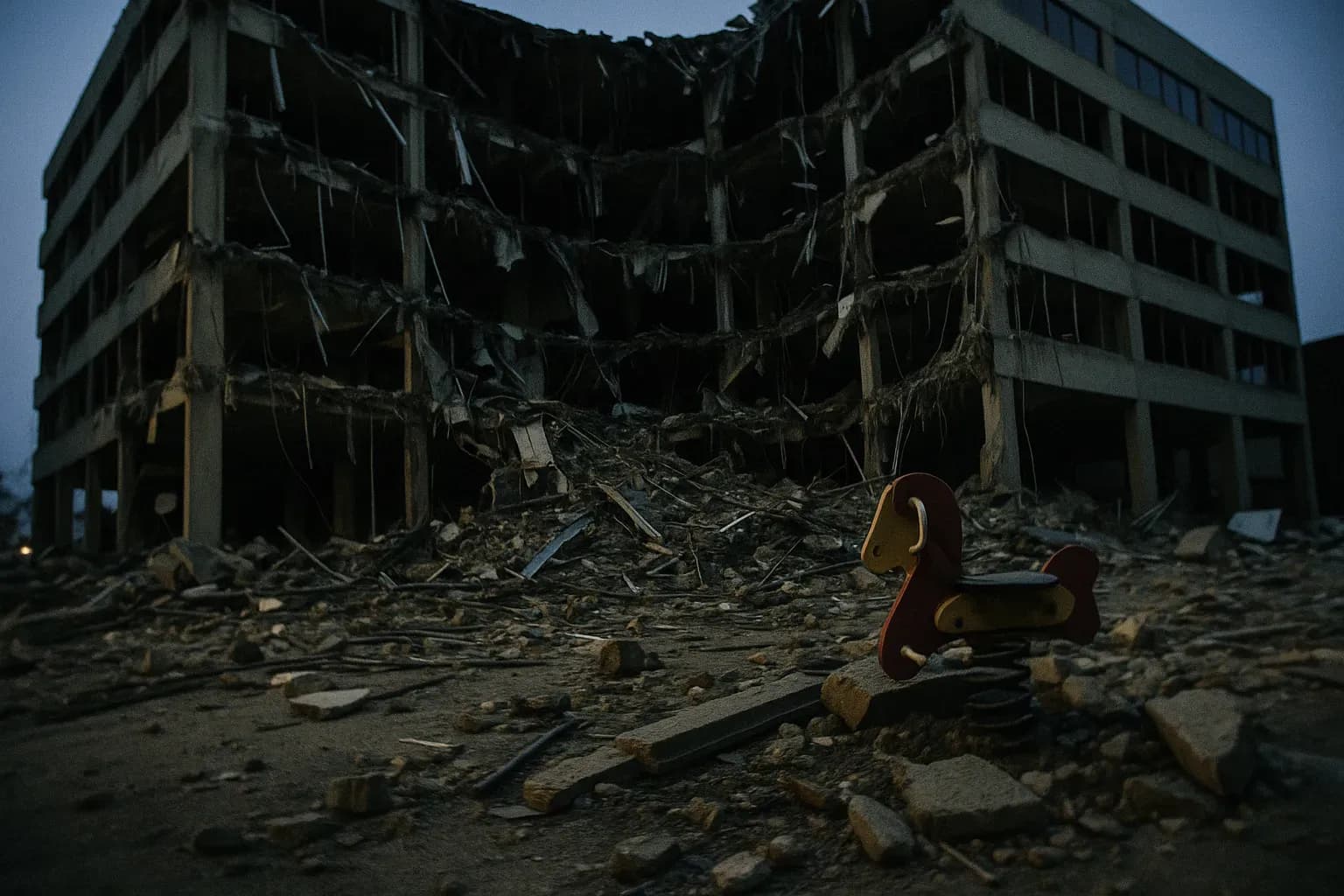
Oklahoma City 1995: Der tödlichste Terroranschlag in der US-Geschichte
Am 19. April 1995 zündete der Amerikaner Timothy McVeigh eine Autobombe vor einem Regierungsgebäude in Oklahoma City und tötete 168 Menschen, darunter 19 Kinder. Der Anschlag gilt bis heute als schwerster Fall von Inlandsterrorismus in den USA.