police interrogations
Formal police questioning during an investigation — voluntary under Danish law
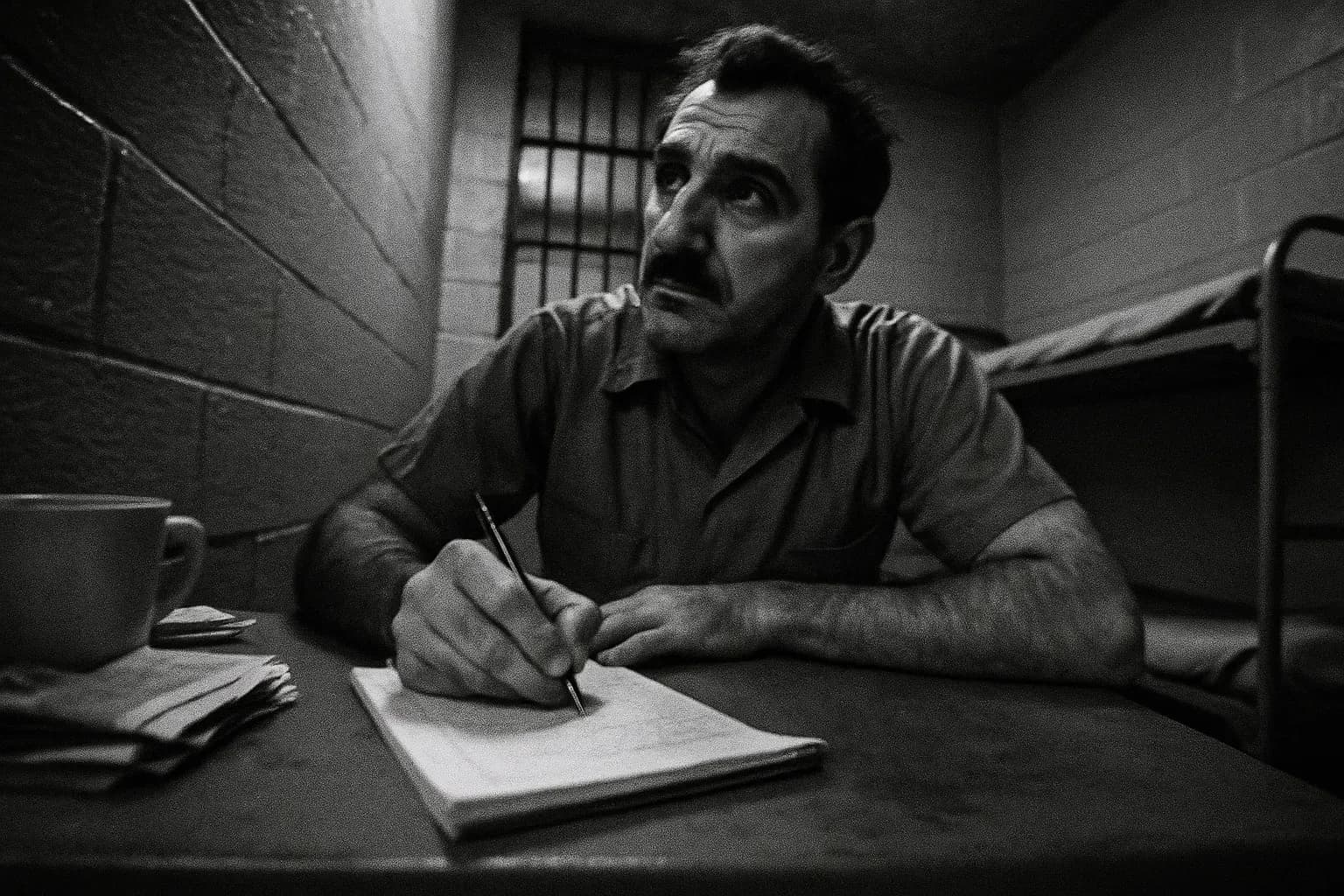
A police interrogation is a formal conversation in which the police obtain statements from persons connected to a case — including suspects, charged persons, witnesses or injured parties — in order to clarify the matter during the investigation. It differs from questioning in court by taking place under police auspices and before any trial. In a true crime context, the police interrogation is often a central pivot in the account of a criminal case. It is here that the first statements are given, contradictory accounts arise, and alibis are either confirmed or fall apart. Interrogations of suspects can, in dramatic cases such as complex homicide or abduction cases, determine the direction an investigation takes.
Under Danish law, chapter 68 of the Danish Administration of Justice Act (retsplejeloven) regulates police questioning. § 750 states explicitly that the police may conduct interrogations, but cannot order anyone to give a statement and may not use coercion to compel one. This means that participation is in principle voluntary — particularly for suspects and charged persons. This limitation on police powers is legally significant: even in serious cases such as homicide or abduction, the police cannot force a charged person to speak. The right to remain silent is a fundamental due process principle protecting the person questioned against self-incrimination.
In podcast series and true crime documentaries about Danish and international cases, police interrogations often appear as audio recordings, transcripts or dramatised reconstructions. They give the listener and viewer insight into the internal logic of an investigation and into the human dynamics that unfold when a person is under pressure from the authorities.
Posts Tagged “police interrogations”
29 posts

















Showing first 20 of 29 posts. Use search or filters to find more.