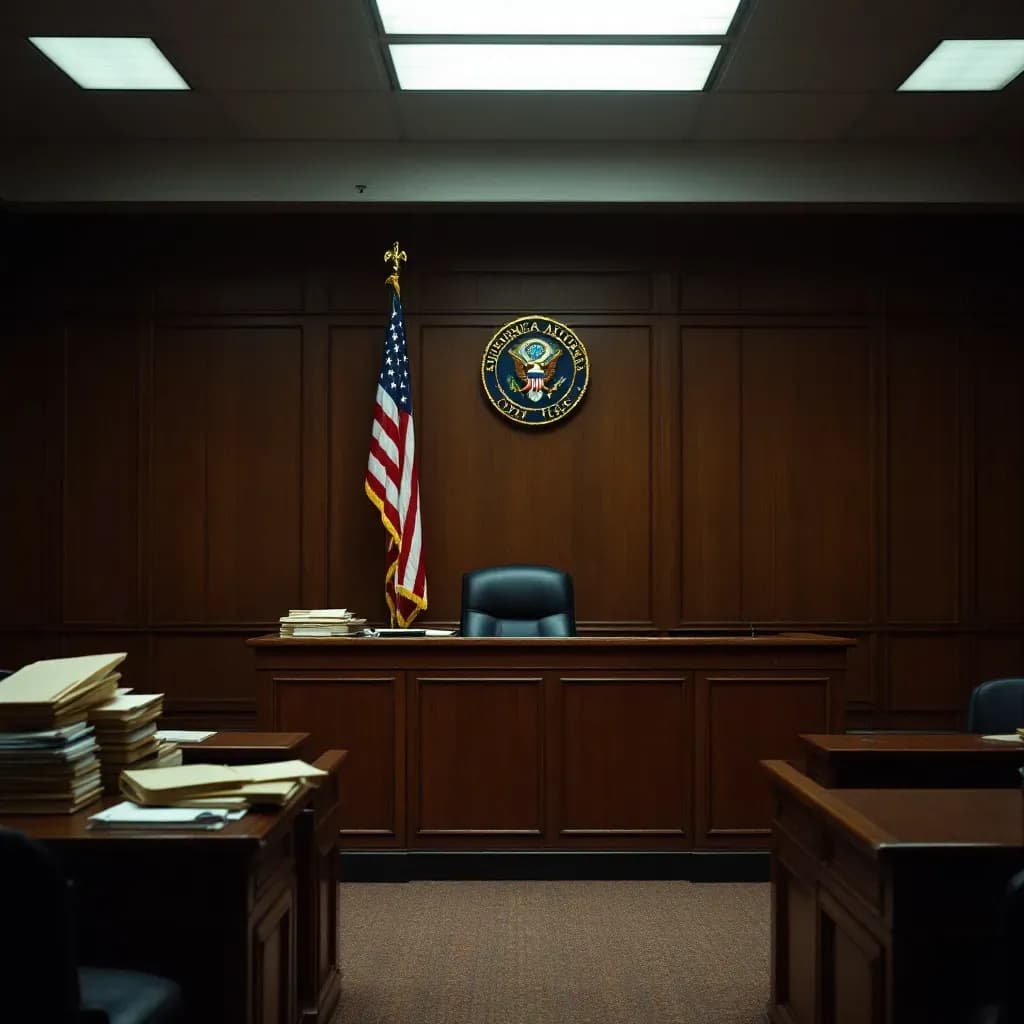
public corruption
Abuse of entrusted public power for private gain — and the trust it breaks
Public corruption is, in international law, an umbrella term for acts in which a person holding public office or entrusted authority abuses their position, powers or public resources for private gain or to influence public decisions unlawfully. It is not a single criminal offence but a category covering a range of overlapping crimes: bribery, embezzlement, abuse of office, self-dealing, and the breach of the trust on which the exercise of public power rests. International anti-corruption sources typically describe it as "abuse of entrusted power for private gain" — a formulation that stresses that the central element is not the form of the act, but the relationship of trust that is broken.
The concept is particularly relevant in cases that play out at the intersection of crime and law enforcement, because the people involved have access to systems, information or powers that normally exist to protect citizens. When a judge, prosecuting authority, politician or social services body exploits that access to enrich itself, shield criminals or suppress others, the harm is doubled: not only does a concrete loss occur, but trust in the public system itself is undermined.
The case of the Sicilian judge Silvana Saguto illustrates this clearly: she held legal responsibility for administering assets seized from the mafia, but used her office to favour family members and acquaintances with lucrative administration assignments — a classic form of self-dealing and abuse of entrusted public authority. Similarly, the Wallace Souza case from Brazil shows how an elected politician and television host with alleged ties to drug trafficking and killings is said to have used his political position as protection and his media profile to appear as a defender of order, while himself being behind the crimes he publicly condemned.
In United States v. James Bulger, public corruption played a decisive structural role: the alleged cooperation between FBI agents and Bulger's Winter Hill Gang meant that state intelligence was leaked to criminals, investigations sabotaged and rival groups informed on — all while a public institution formally continued to function. The Eric Conn case shows another variant: a lawyer who for decades manipulated the systems and staff of the US social security administration by means of bribery in order to obtain millions of dollars in unwarranted benefits for clients in return for repayment. Here it was not an official himself, but a private actor who corrupted the public system from within by buying the exercise of public authority.
Common to these cases is that public corruption is measured not only by the direct financial loss, but by the systemic damage: when the institutions meant to enforce the law are themselves compromised, citizens and society lose a fundamental safeguard of legal certainty. It is this dimension — the breach of the public relationship of trust — that distinguishes public corruption from ordinary crime and gives the concept its particular weight in legal and criminological contexts.