Hostages
From bargaining chip to victim – understand the dynamics of hostage-taking
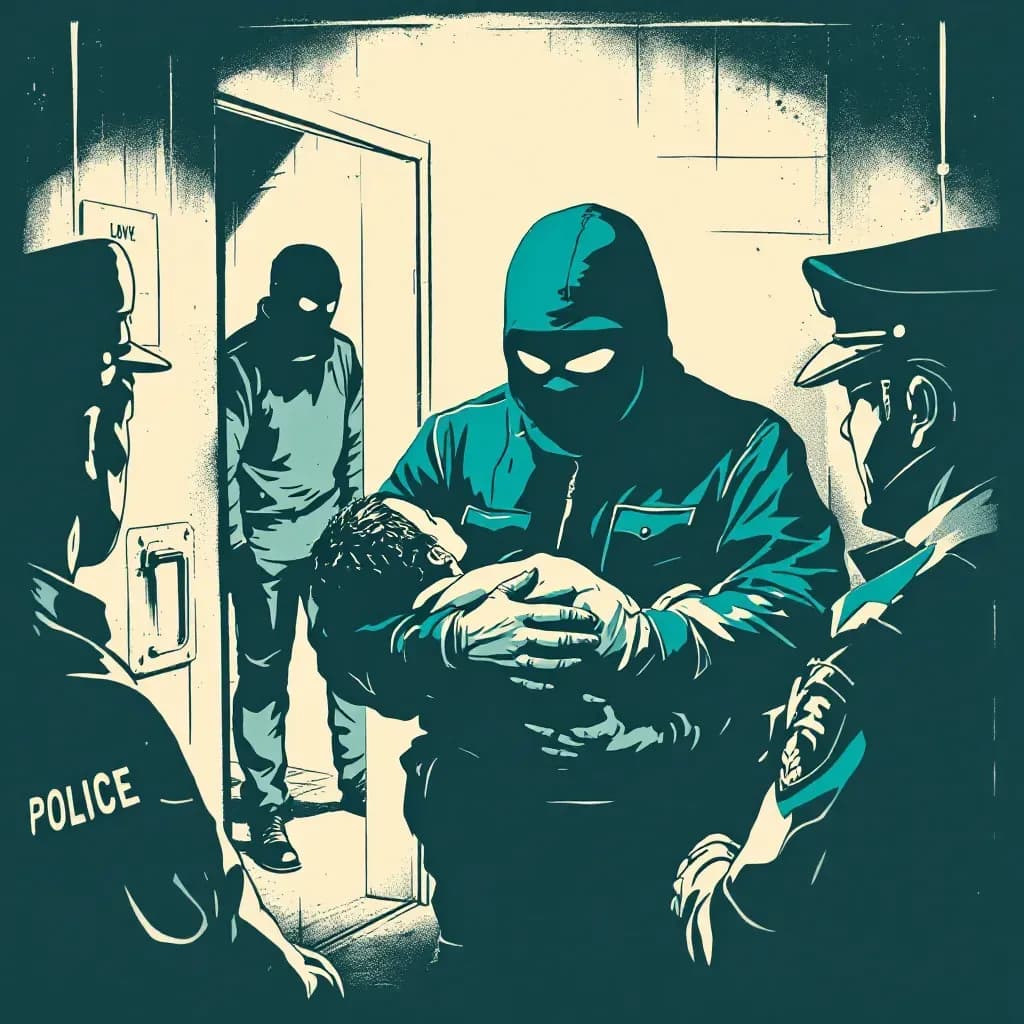
Definition
Who are hostages in true crime? Understand the definition, the desperate motives behind these acts, and why these cases push police and victims to their limits.
From bargaining chip to victim – understand the dynamics of hostage-taking
What does it mean to be a hostage in crime?
Within true crime, the term 'hostages' refers to individuals held against their will, often to compel a third party—such as police, authorities, or relatives—to meet the perpetrator's specific demands. These individuals involuntarily become the center of a desperate and often life-threatening situation, where their freedom and safety are used as direct bargaining chips or pressure tactics during their captivity. A hostage situation is characterized by extreme psychological pressure on all parties involved, especially the hostages themselves, who must endure constant fear and uncertainty about their fate.
Ransom to pressure: What drives hostage drama actor?
The motives behind a hostage-taking can vary significantly. They can include demands for ransom, an attempt to secure escape after another crime, political demonstrations, sheer extortion, or even a desperate cry for attention. Regardless of the underlying motive, hostage-taking ranks among the most tense and unpredictable scenarios in serious crime, often referred to as a hostage drama. For police investigators and specialized tactical units, these situations pose an extremely complex challenge. The primary goal is always to secure the safe release of the hostages, which often requires intense police negotiations under immense time pressure and high risk. True crime stories involving hostages and hostage-takings often focus precisely on this nerve-wracking balancing act, the victims' survival instincts during their captivity, and the difficult ethical and tactical dilemmas faced by authorities during an investigation.
More than crime: Understand the gravity of hostage-taking
Understanding the dynamics of a hostage situation is crucial to grasping the depth of human tragedy and serious criminality that a hostage drama represents. The act of taking hostages itself is a heinous crime that places innocent lives in imminent danger. The consequences often leave deep psychological scars on the direct victims of this form of captivity and affect society as a whole. This underscores the phenomenon's enduring relevance and gravity within both criminology and the true crime genre.
From bank robberies to political dramas: How does hostage-taking unfold in reality? Delve into the most gripping hostage cases below.
Weiterlesen
Vier US-Amerikaner von Golf-Kartell in Mexiko entführt
Im März 2023 wurden vier US-Bürger in Matamoros, Mexiko, vom Golf-Kartell entführt, nachdem sie mit haitianischen Drogenschmugglern verwechselt wurden. Zwei der Opfer wurden getötet, zwei überlebten.
Attentat auf Reagan: Obsession, die US-Justiz veränderte
Am 30. März 1981 feuerte John Hinckley Jr. sechs Schüsse auf US-Präsident Ronald Reagan ab. Der Grund: eine krankhafte Obsession für Schauspielerin Jodie Foster nach dem Film Taxi Driver. Der Fall veränderte das amerikanische Rechtssystem für immer.
Der größte Kunstraub der Geschichte bleibt ungelöst
Am 18. März 1990 drangen zwei als Polizisten verkleidete Täter in das Isabella Stewart Gardner Museum in Boston ein und stahlen 13 Kunstwerke im Wert von rund 500 Millionen Dollar. Der spektakuläre Raub gilt als größter Kunstdiebstahl aller Zeiten und ist bis heute ungeklärt.
Verwandte Artikel
Vier US-Amerikaner von Golf-Kartell in Mexiko entführt
Im März 2023 wurden vier US-Bürger in Matamoros, Mexiko, vom Golf-Kartell entführt, nachdem sie mit haitianischen Drogenschmugglern verwechselt wurden. Zwei der Opfer wurden getötet, zwei überlebten.
Attentat auf Reagan: Obsession, die US-Justiz veränderte
Am 30. März 1981 feuerte John Hinckley Jr. sechs Schüsse auf US-Präsident Ronald Reagan ab. Der Grund: eine krankhafte Obsession für Schauspielerin Jodie Foster nach dem Film Taxi Driver. Der Fall veränderte das amerikanische Rechtssystem für immer.

Der größte Kunstraub der Geschichte bleibt ungelöst
Am 18. März 1990 drangen zwei als Polizisten verkleidete Täter in das Isabella Stewart Gardner Museum in Boston ein und stahlen 13 Kunstwerke im Wert von rund 500 Millionen Dollar. Der spektakuläre Raub gilt als größter Kunstdiebstahl aller Zeiten und ist bis heute ungeklärt.

Kim Kardashian: Brutaler Überfall in Paris
In der Nacht zum 3. Oktober 2016 wurde Kim Kardashian in Paris überfallen. Fünf Männer, teils als Polizisten verkleidet, fesselten sie und raubten Schmuck im Wert von neun Millionen Euro.
Maze-Ausbruch 1983: IRA-Gefangene flohen aus Hochsicherheitstrakt
Im September 1983 gelang 38 IRA-Gefangenen die Flucht aus dem Hochsicherheitsgefängnis Maze bei Belfast. Drei Wärter wurden schwer verletzt, 27.000 bewaffnete Kräfte fahndeten nach den Flüchtigen.
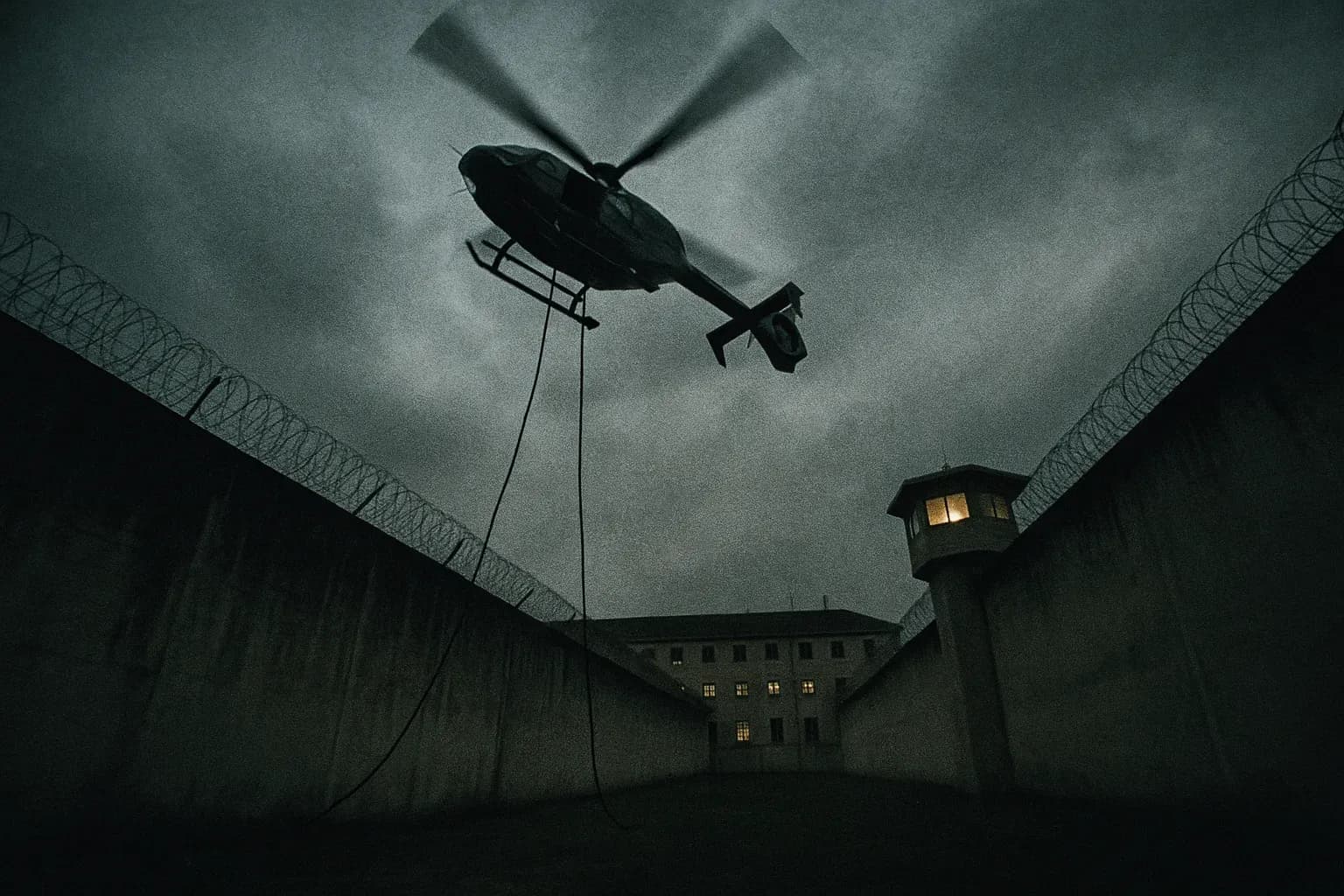
Rédoine Faïd – Frankreichs spektakulärster Ausbrecher
Rédoine Faïd ist ein französischer Krimineller, geboren am 10. Mai 1972, bekannt für bewaffnete Raubüberfälle und zwei spektakuläre Gefängnisausbrüche. 2013 wurde er als meistgesuchter Verbrecher Frankreichs bezeichnet.