Leadership
How criminal networks are managed and combated – from hierarchy to covert operations
Definition
Who pulls the strings? Understand the complex forms of leadership in crime, from gang leaders to hidden networks, and why they are so difficult to target.
How criminal networks are managed and combated – from hierarchy to covert operations
Criminal leadership: Why is it crucial for understanding?
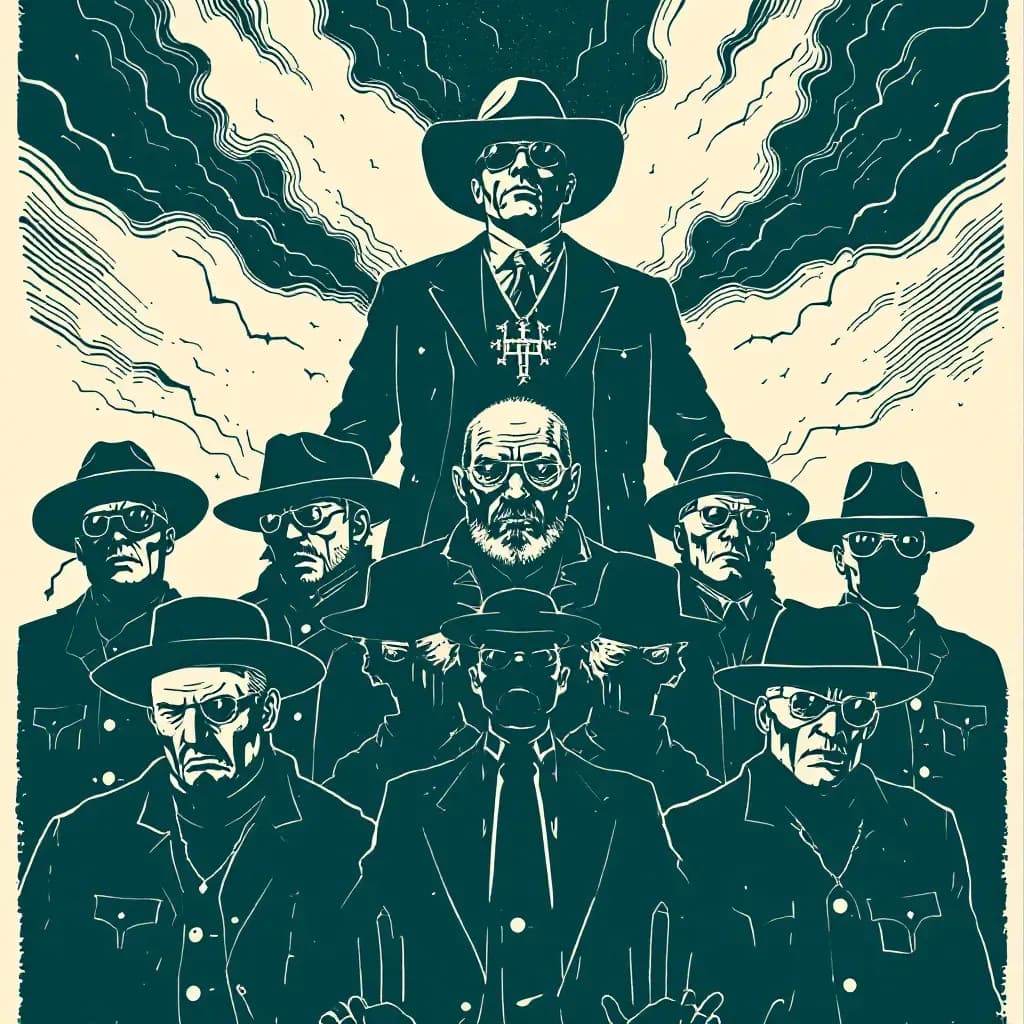
Leadership in crime refers to the processes and individuals who direct and control criminal activities and organizations. This concept covers more than just the formal leader of a gang or cartel; it also encompasses the underlying dynamics that enable the planning, coordination, and execution of crimes – from minor offenses to extensive international operations, often seen in organized crime. A thorough understanding of these leadership structures is essential, as it illuminates how criminal networks are established, operate, and potentially dissolve, as well as how power and influence are used to achieve criminal goals.
From autocrat to hidden network: Hard to dismantle
Leadership styles in criminal environments vary considerably. Some criminal organizations, including certain forms of gang crime, are characterized by a strict hierarchy with a dominant, often charismatic or fearsome, leader at the top whose decisions are absolute. Other groups, particularly within more complex networks of organized crime, may operate decentrally, where subordinate leaders or cells possess significant autonomy, or where leadership is more fluid and situational. Regardless of the organizational form, effective leadership is crucial for maintaining internal discipline, ensuring member loyalty, facilitating recruitment, and protecting against rival groups as well as law enforcement efforts. Authorities' investigations often aim to identify and neutralize this leadership, as this can destabilize the entire criminal enterprise. Uncovering chains of command, communication networks, and internal power structures is therefore a vital part of the strategy to combat both gang crime and other organized crime.
Behind the facade: Why is top tier crime hard to reach?
A key challenge in understanding and combating criminal leadership is its often deeply hidden nature and the sophisticated methods used to evade detection. Leaders in organized crime, for example, frequently distance themselves from the direct execution of criminal acts by operating through intermediaries and complex chains of command, which complicates proving their direct involvement. Furthermore, leadership is often exercised through intimidation, threats, violence, and psychological manipulation, creating a fear-based environment that effectively deters witnesses from cooperating with authorities. The analysis of leadership structures and power distribution in criminal cases is therefore not only crucial for solving specific crimes but also contributes to a deeper insight into the overall nature of crime and the underlying mechanisms that shape criminal behavior.
Did this pique your interest? Explore cases of organized crime and gang wars where leadership is crucial – find our exciting cases below.
Weiterlesen
Credit Suisse überwachte Manager nach Jobwechsel
Die Schweizer Großbank Credit Suisse beauftragte 2019 Privatdetektive, ihren ehemaligen Vermögensverwaltungschef Iqbal Khan nach dessen Wechsel zur Konkurrenzbank UBS zu überwachen. Die illegale Operation führte zu Rücktritten und einem Strafverfahren.
Mark Karpelès und der Mt. Gox-Zusammenbruch
Mark Karpelès, CEO der Kryptowährungsbörse Mt. Gox, wurde 2019 wegen Fälschung elektronischer Daten verurteilt. 2014 verschwanden 850.000 Bitcoins von der Börse – einer der größten Krypto-Skandale überhaupt.
Uber-Sicherheitschef wegen vertuschtem Datenskandal verurteilt
Joseph Sullivan, Chief Security Officer bei Uber, wurde verurteilt, weil er einen massiven Datenschutzverstoß aus dem Oktober 2016 vertuschte. Der Angriff betraf 57 Millionen Uber-Nutzer und Fahrer. Gestohlene Daten umfassten Namen, E-Mail-Adressen, Telefonnummern und rund 600.000 US-Führerscheinnummern.
Verwandte Artikel

Danske Bank: Größter Geldwäscheskandal der Welt
Zwischen 2007 und 2015 wurden über die estnische Filiale der Danske Bank etwa 200 Milliarden Euro aus kriminellen Quellen gewaschen. Ein neues Buch enthüllt die Hintergründe des weltgrößten Geldwäscheskandals.
Credit Suisse überwachte Manager nach Jobwechsel
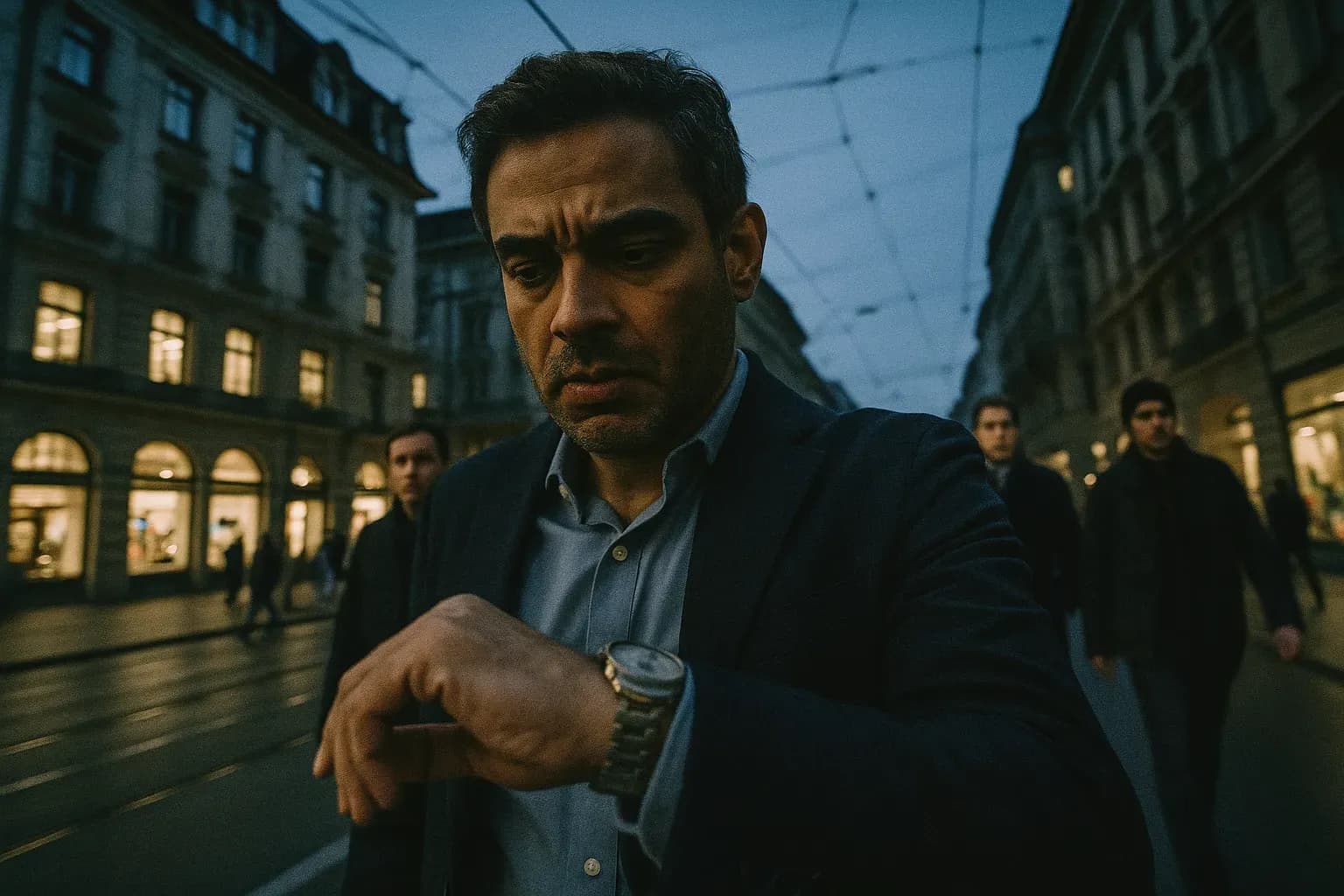
Die Schweizer Großbank Credit Suisse beauftragte 2019 Privatdetektive, ihren ehemaligen Vermögensverwaltungschef Iqbal Khan nach dessen Wechsel zur Konkurrenzbank UBS zu überwachen. Die illegale Operation führte zu Rücktritten und einem Strafverfahren.

Mark Karpelès und der Mt. Gox-Zusammenbruch
Mark Karpelès, CEO der Kryptowährungsbörse Mt. Gox, wurde 2019 wegen Fälschung elektronischer Daten verurteilt. 2014 verschwanden 850.000 Bitcoins von der Börse – einer der größten Krypto-Skandale überhaupt.

Uber-Sicherheitschef wegen vertuschtem Datenskandal verurteilt
Joseph Sullivan, Chief Security Officer bei Uber, wurde verurteilt, weil er einen massiven Datenschutzverstoß aus dem Oktober 2016 vertuschte. Der Angriff betraf 57 Millionen Uber-Nutzer und Fahrer. Gestohlene Daten umfassten Namen, E-Mail-Adressen, Telefonnummern und rund 600.000 US-Führerscheinnummern.