Escape
When prisoners break free – desperation, planning, and the intense manhunt
Definition
What drives prisoners to escape? From desperate acts to calculated plans, triggering intense manhunts and shaking society.
When prisoners break free – desperation, planning, and the intense manhunt
What defines an escape and why trigger a crisis?
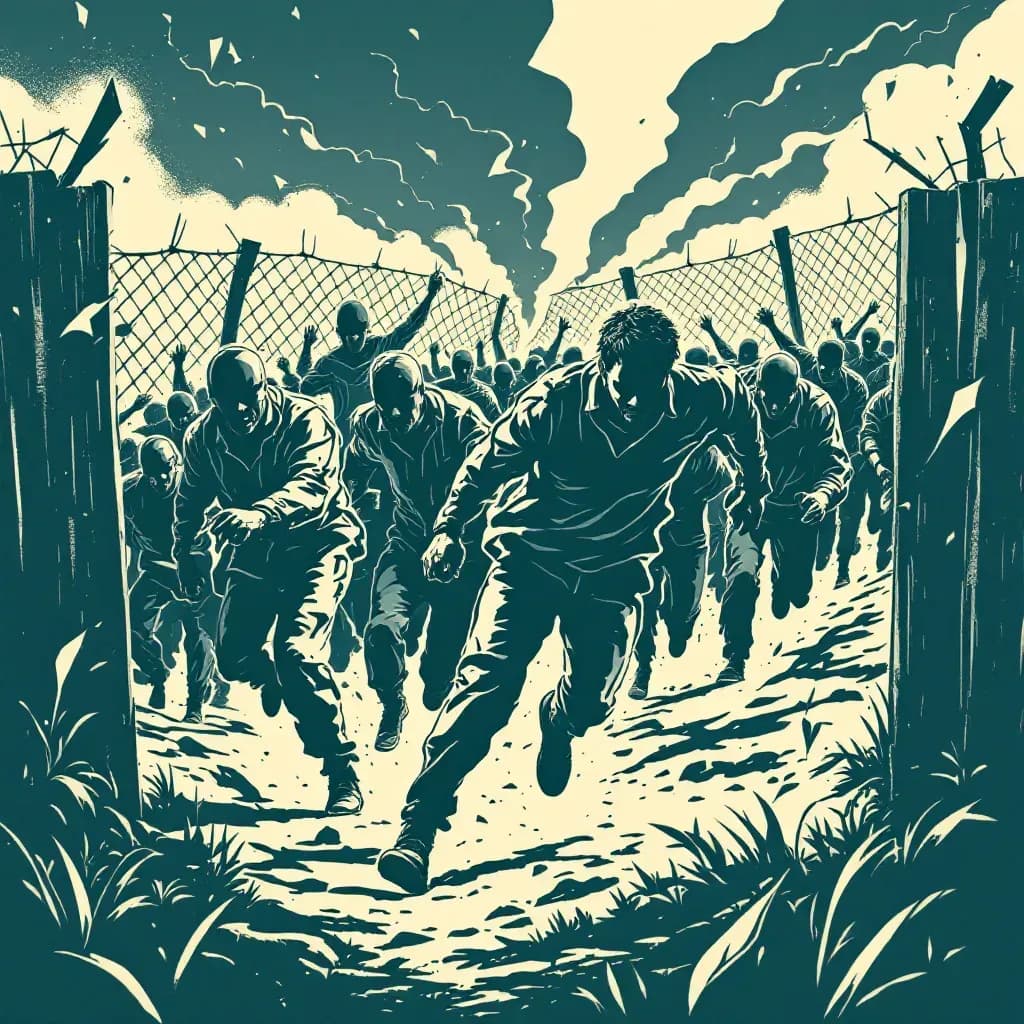
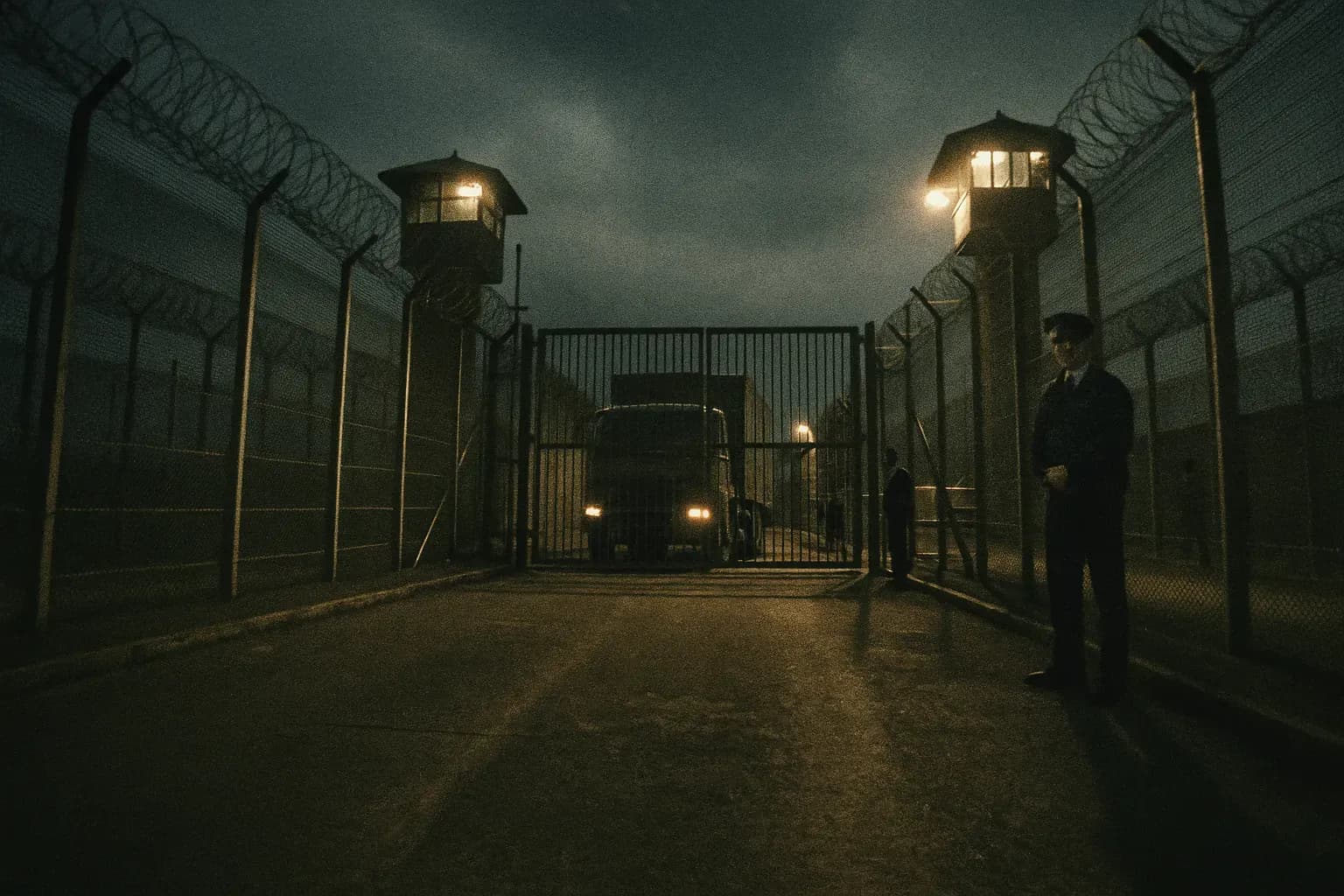
In true crime, escape refers to the illegal act of an arrested, accused, or convicted person evading lawful custody or imposed detention. This act instantly transforms a controlled situation into an acute crisis. It not only triggers extensive and resource-intensive searches, often led by the police, but also creates genuine public fear and a threat to public safety, as a potentially dangerous perpetrator is now at large. A prison escape is often a desperate move, but it can also be the culmination of cold-blooded calculation and meticulous planning, revealing both the perpetrator's willpower and the vulnerabilities of the justice system.
Why inmates take risks: Motives and success methods
The motives behind an escape are as varied as the individuals who attempt it. They range from a burning desire to evade a lengthy prison sentence after a trial and the subsequent confinement, or a deeply felt conviction of one's own innocence, to a cynical intention to resume a criminal career or avoid prosecution for other, undiscovered crimes – potentially including an unsolved case. The execution of an escape itself ranges from impulsive acts, where a sudden opportunity is seized, to highly complex and meticulously orchestrated operations. These can involve anything from external help from accomplices, smuggled tools and weapons, to the sophisticated exploitation of weaknesses in prison security, during transport, or even from courthouses, highlighting the constant ingenuity that can lie behind a prison escape.
After the escape: Time race, new threats, justice test
The consequences of a successful escape are always severe. Besides the inevitable extension of the sentence for the escape itself, the period at large poses a significant risk, as the escapee may commit further crimes to survive, evade capture, or out of sheer desperation. For investigative authorities, an intense race against time begins, mobilizing all available resources in the hunt to locate and recapture the escapee. This effort often necessitates cross-departmental cooperation between various police units and public involvement through the media. Escape cases are therefore not only a test of the justice system's robustness and ability to maintain custody but also a complex phenomenon that continues to challenge investigators and highlights the enduring struggle between detention and the individual's often intense urge to escape.
What do escapes look like in practice? Read about daring prison breaks and the intense hunts for escaped criminals. Explore our harrowing cases on the subject below.
Weiterlesen
Alcatraz-Flucht 1962: Das Rätsel, das nie gelöst wurde
Am 11. Juni 1962 flohen Frank Morris und die Brüder John und Clarence Anglin aus dem berüchtigten Alcatraz-Gefängnis in der San Francisco Bay. Nach sechs Monaten Vorbereitung gelang ihnen die Flucht, doch ihr Schicksal wurde nie vollständig geklärt.
Flucht-König Antonio Ferrara in Belgien festgenommen
Antonio Ferrara, berüchtigt als 'Flucht-König' wegen zahlreicher Gefängnisausbrüche, wurde im Februar 2025 in der belgischen Stadt Eupen festgenommen. Dem französisch-italienischen Kriminellen werden Banküberfälle, Ausbrüche und die Planung eines bewaffneten Raubüberfalls vorgeworfen.
Billy Hayes: Vom Drogenschmuggler zum Hollywood-Star
Der Amerikaner Billy Hayes wurde 1970 am Flughafen Istanbul festgenommen, als er versuchte, Haschisch aus der Türkei zu schmuggeln. Nach seiner Verurteilung zu 30 Jahren Haft gelang ihm 1975 die spektakuläre Flucht aus dem Hochsicherheitsgefängnis İmralı – ein Drama, das ihn weltberühmt machte.
Verwandte Artikel

The Rock: Das Standardwerk zur Flucht aus Alcatraz
J. Campbell Bruces „The Rock“ dokumentiert die legendäre Flucht vom 12. Juni 1962, bei der drei Häftlinge spurlos aus dem als unbezwingbar geltenden Inselgefängnis Alcatraz verschwanden.

Mørkeland-Podcast: Serienstraftäter und Ausbruchskönig
Die dänische True-Crime-Podcast-Reihe Mørkeland veröffentlichte am 19. Oktober 2025 Episode 297, die zwei brisante Fälle behandelt: einen Serienstraftäter und einen Häftling mit mehrfachen spektakulären Ausbrüchen aus geschlossenen Einrichtungen.
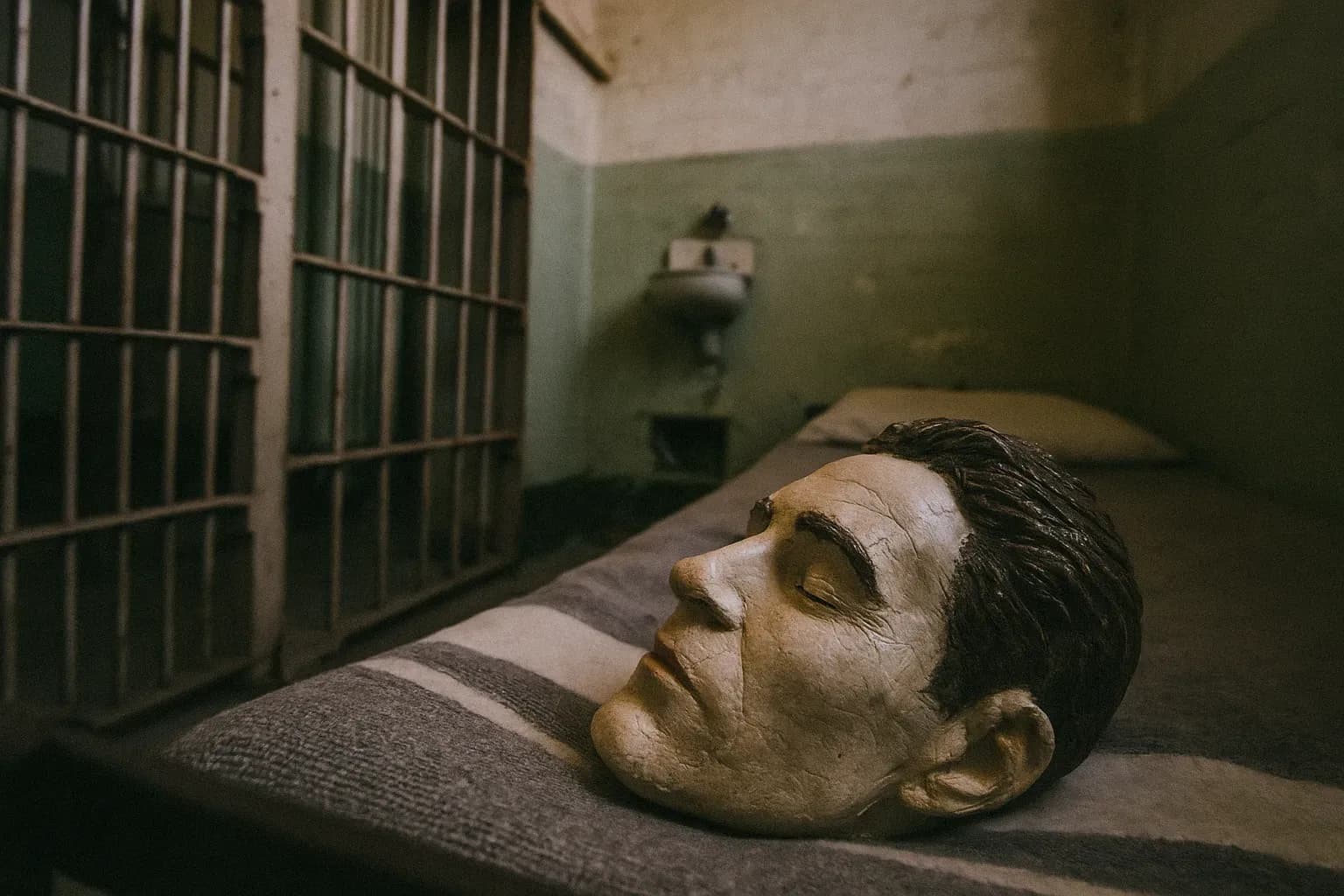
Alcatraz-Flucht 1962: Das Rätsel, das nie gelöst wurde
Am 11. Juni 1962 flohen Frank Morris und die Brüder John und Clarence Anglin aus dem berüchtigten Alcatraz-Gefängnis in der San Francisco Bay. Nach sechs Monaten Vorbereitung gelang ihnen die Flucht, doch ihr Schicksal wurde nie vollständig geklärt.

Flucht-König Antonio Ferrara in Belgien festgenommen
Antonio Ferrara, berüchtigt als 'Flucht-König' wegen zahlreicher Gefängnisausbrüche, wurde im Februar 2025 in der belgischen Stadt Eupen festgenommen. Dem französisch-italienischen Kriminellen werden Banküberfälle, Ausbrüche und die Planung eines bewaffneten Raubüberfalls vorgeworfen.
.webp&w=3840&q=75)
Billy Hayes: Vom Drogenschmuggler zum Hollywood-Star
Der Amerikaner Billy Hayes wurde 1970 am Flughafen Istanbul festgenommen, als er versuchte, Haschisch aus der Türkei zu schmuggeln. Nach seiner Verurteilung zu 30 Jahren Haft gelang ihm 1975 die spektakuläre Flucht aus dem Hochsicherheitsgefängnis İmralı – ein Drama, das ihn weltberühmt machte.
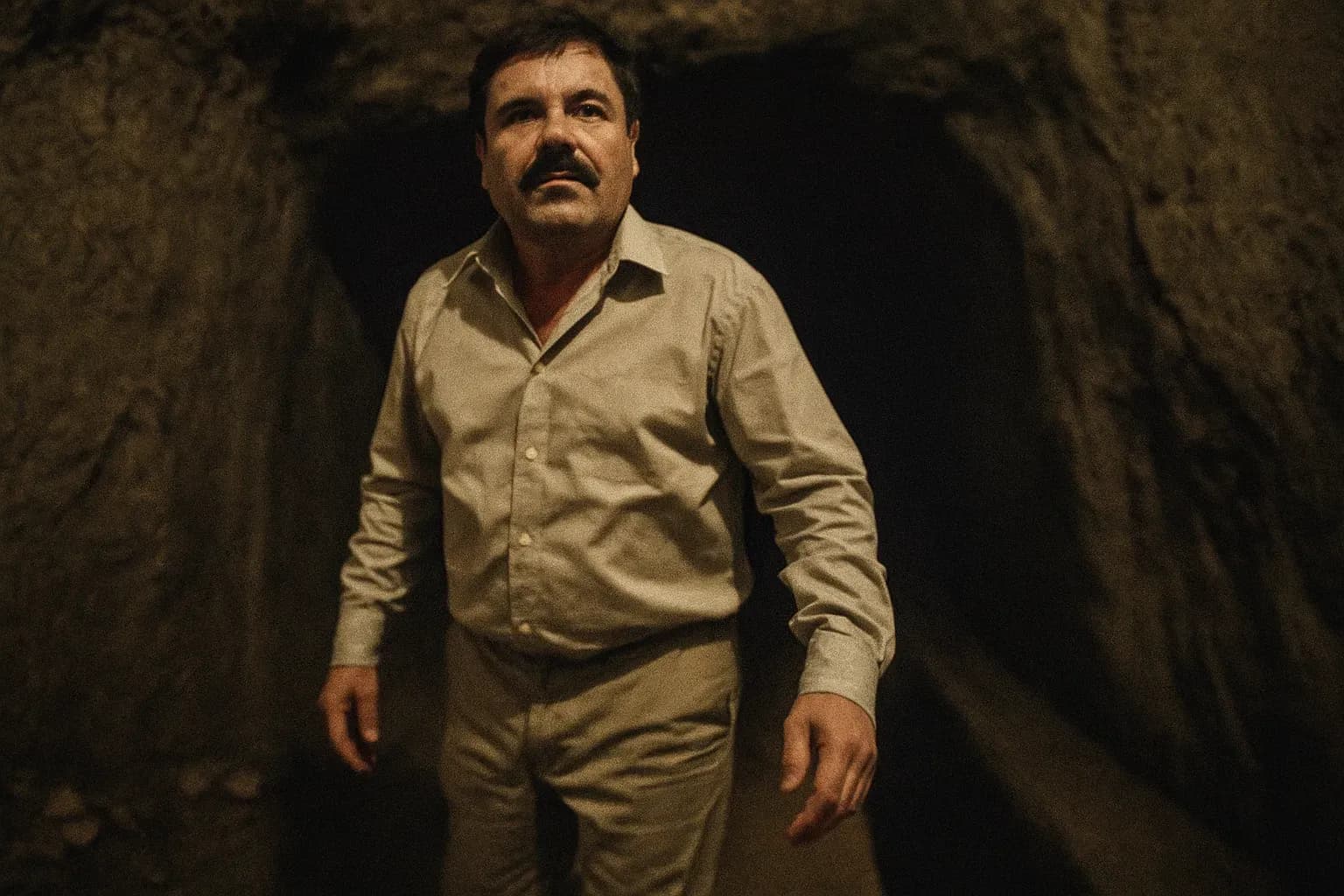
El Chapo: Vom Drogenboss zum Supermax-Häftling
Joaquín Guzmán Loera, bekannt als El Chapo, führte das Sinaloa-Kartell als mächtigster Drogenboss der Welt. Am 7. Januar 2016 endete seine Flucht vor der Justiz in einem tödlichen Einsatz mexikanischer Marineinfanteristen.

Pilot Dieter Dengler: Flucht aus dem Vietnam-Krieg
Am 1. Februar 1966 stürzte der deutsch-amerikanische Pilot Dieter Dengler während einer geheimen Mission über dem laotischen Dschungel ab. Seine Geschichte wurde zu einem bemerkenswerten Kapitel der Vietnam-Kriegsgeschichte.

Schloss Colditz: Vom Adelssitz zum Ort des NS-Terrors
Schloss Colditz in Sachsen diente ab 1933 als frühes Konzentrationslager für politische Gefangene. Später wurden hier im Rahmen der NS-Euthanasie systematisch Menschen mit Behinderungen ermordet.

Jack Sheppard — Londons legendärer Ausbrecher-König
John „Honest Jack
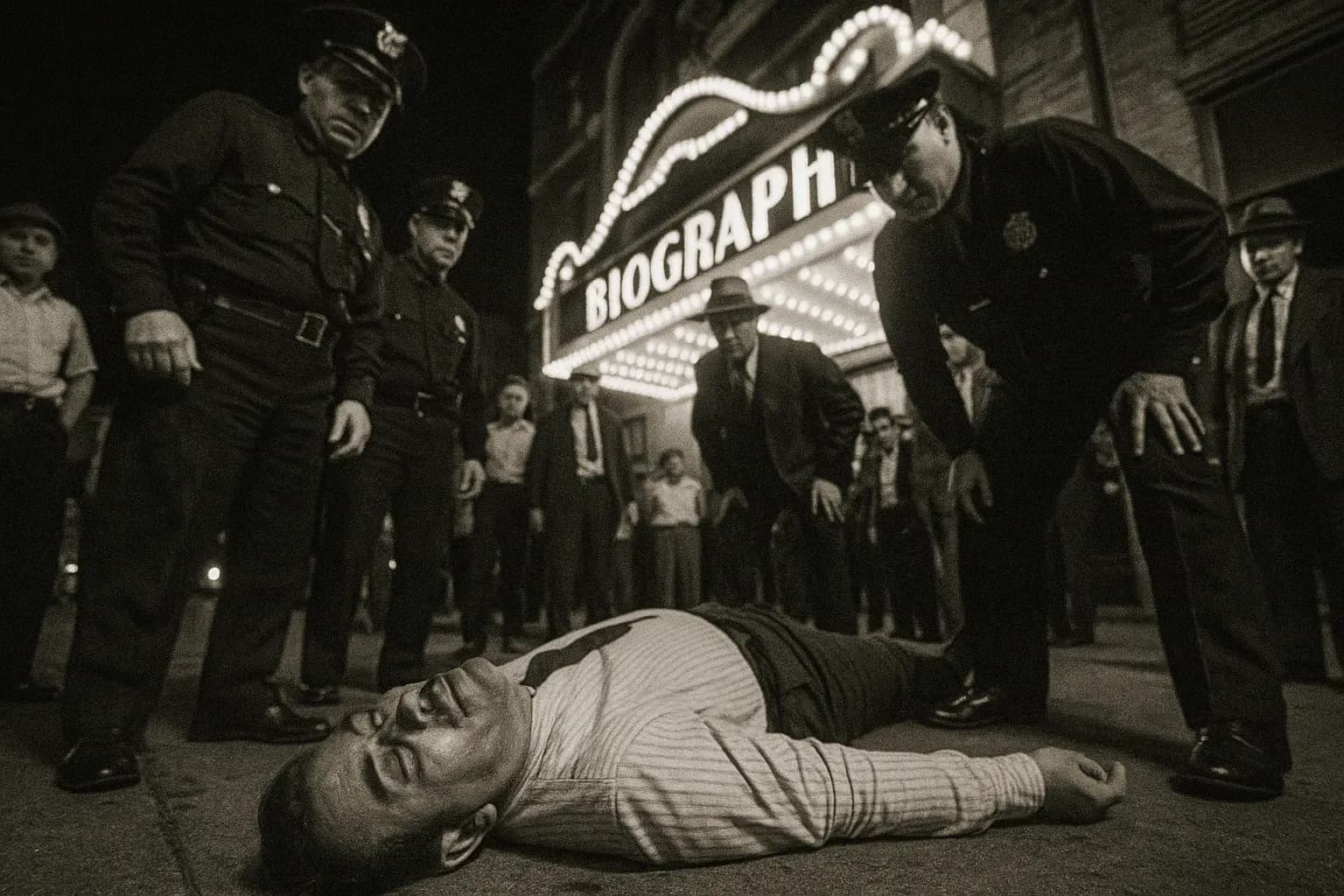
John Dillinger: Amerikas meistgesuchter Bankräuber vom FBI erschossen
John Herbert Dillinger, vom FBI zum „Public Enemy Number One“ erklärt, wurde am 22. Juli 1934 vor dem Biograph Theater in Chicago, Illinois, von Bundesagenten erschossen. Eine strafrechtliche Verurteilung erfolgte nie.
Maze-Ausbruch 1983: IRA-Gefangene flohen aus Hochsicherheitstrakt
Im September 1983 gelang 38 IRA-Gefangenen die Flucht aus dem Hochsicherheitsgefängnis Maze bei Belfast. Drei Wärter wurden schwer verletzt, 27.000 bewaffnete Kräfte fahndeten nach den Flüchtigen.

Pascal Payet — Frankreichs Helikopter-Ausbrecher
Pascal Payet wurde 1999 wegen Mordes bei einem bewaffneten Raubüberfall zu 30 Jahren Haft verurteilt. Doch er ging in die Geschichte ein, weil er dreimal per Helikopter aus französischen Gefängnissen floh und damit das gesamte Sicherheitssystem des Landes zwang, seine Luftsicherheit neu zu konzipieren.