Money
The driving force behind crime and the key to solving true crime

Definition
Money is often the root of all evil in true crime. Discover how greed drives everything from robbery to fraud, and why it's the key in investigations.
The driving force behind crime and the key to solving true crime
Money as motive: At the heart of many crimes
In true crime cases, money often constitutes the very driving force and primary motive behind a wide range of criminal acts, from simple thefts to complex forms of financial crime. The pursuit of financial gain can lead to everything from meticulously planned fraud and various types of scams to violent robberies and even murder. Understanding the role of money is therefore crucial to uncovering the motive behind a crime. This quest for illicit enrichment manifests in countless ways, and greed for money is one of the oldest and most persistent catalysts for criminal behavior.
Fast money, hard crime: Financial gain as the goal
In many cases, the direct acquisition of money is the obvious goal. This is seen in everything from street purse snatchings and burglaries in private homes to armed robberies of banks and shops, where perpetrators seek quick financial gain, often using threats or violence. Extortion and kidnapping for ransom are also examples of crimes where the primary motive is money, as victims or their relatives are forced to pay large sums under threat of violence or worse. In these instances, money is not merely a byproduct of the crime, but the very core of the perpetrator's intent and the direct purpose of the offense.
How money trails expose fraud and organized crime
Beyond direct confrontations, money also enables more sophisticated and covert forms of crime, including extensive financial crime. Examples such as tax evasion, various types of credit card fraud, insider trading, and complex Ponzi schemes aim to defraud individuals, companies, or the state of large sums through manipulation and deception. Here, the money flows are often convoluted and designed to obscure the perpetrators' tracks and the criminal origin. Likewise, money plays a central role in organized crime, including drug trafficking, human trafficking, and arms smuggling, where enormous profits are generated and subsequently laundered to be integrated into the legal economy. Following the money trail – "follow the money" – is therefore a fundamental investigative strategy that can reveal perpetrators, their criminal networks, and the full extent of their operations.
From cash to crypto: Money trails' significance
Regardless of the nature of the crime, the allure of money remains a constant factor in the world of crime. The ability to follow the money trail is often the key to solving cases and achieving justice in matters ranging from simple theft and robbery to advanced fraud and financial crime. Furthermore, the ongoing development of digital payment methods and cryptocurrencies presents new challenges for authorities in their efforts to combat financially motivated crime and cryptocurrency-related crime, underscoring the enduring and complex role of money in true crime.
Did this pique your interest? Explore shocking cases about Money, from daring bank robberies to complex fraud schemes – find our thrilling cases below.
Weiterlesen
Alcatraz-Flucht 1962: Das Rätsel, das nie gelöst wurde
Am 11. Juni 1962 flohen Frank Morris und die Brüder John und Clarence Anglin aus dem berüchtigten Alcatraz-Gefängnis in der San Francisco Bay. Nach sechs Monaten Vorbereitung gelang ihnen die Flucht, doch ihr Schicksal wurde nie vollständig geklärt.
570 Millionen Euro bei Binance-Hack gestohlen
Am 4. Oktober 2022 stahlen Cyberkriminelle rund 570 Millionen Euro von der Kryptobörse Binance. Die Täter nutzten eine Sicherheitslücke in einer Smart-Contract-Brücke aus. Bis heute ist niemand identifiziert.
Die Colombo-Familie: New Yorks brutale Mafia-Organisation
Die Colombo-Familie gilt als eine der rücksichtslosesten Mafia-Organisationen New Yorks. Ihre Geschichte ist geprägt von blutigen Konflikten, Morden und – in jüngerer Zeit – auch Cyberkriminalität.
Verwandte Artikel

Danske Bank: Größter Geldwäscheskandal der Welt
Zwischen 2007 und 2015 wurden über die estnische Filiale der Danske Bank etwa 200 Milliarden Euro aus kriminellen Quellen gewaschen. Ein neues Buch enthüllt die Hintergründe des weltgrößten Geldwäscheskandals.
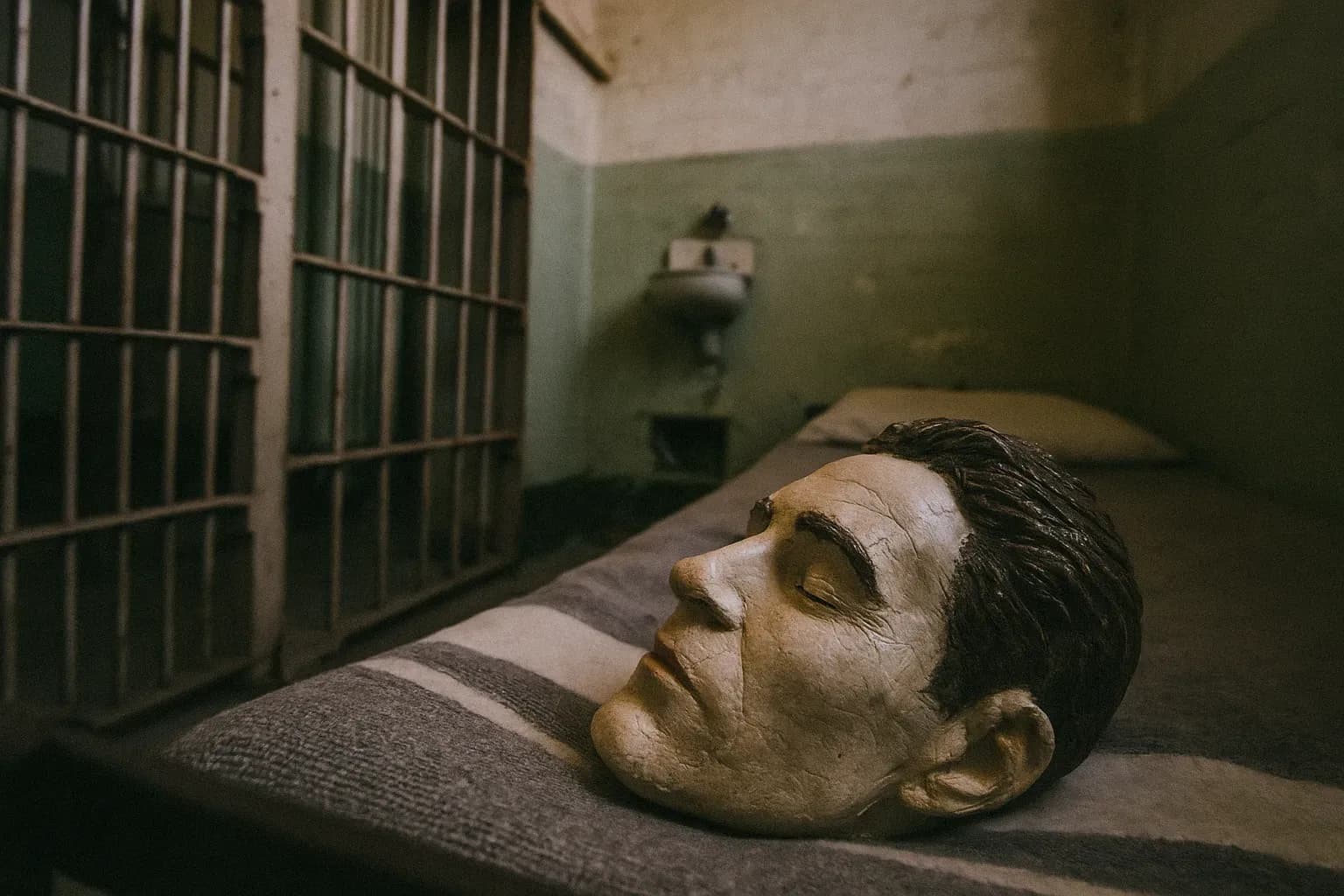
Alcatraz-Flucht 1962: Das Rätsel, das nie gelöst wurde
Am 11. Juni 1962 flohen Frank Morris und die Brüder John und Clarence Anglin aus dem berüchtigten Alcatraz-Gefängnis in der San Francisco Bay. Nach sechs Monaten Vorbereitung gelang ihnen die Flucht, doch ihr Schicksal wurde nie vollständig geklärt.
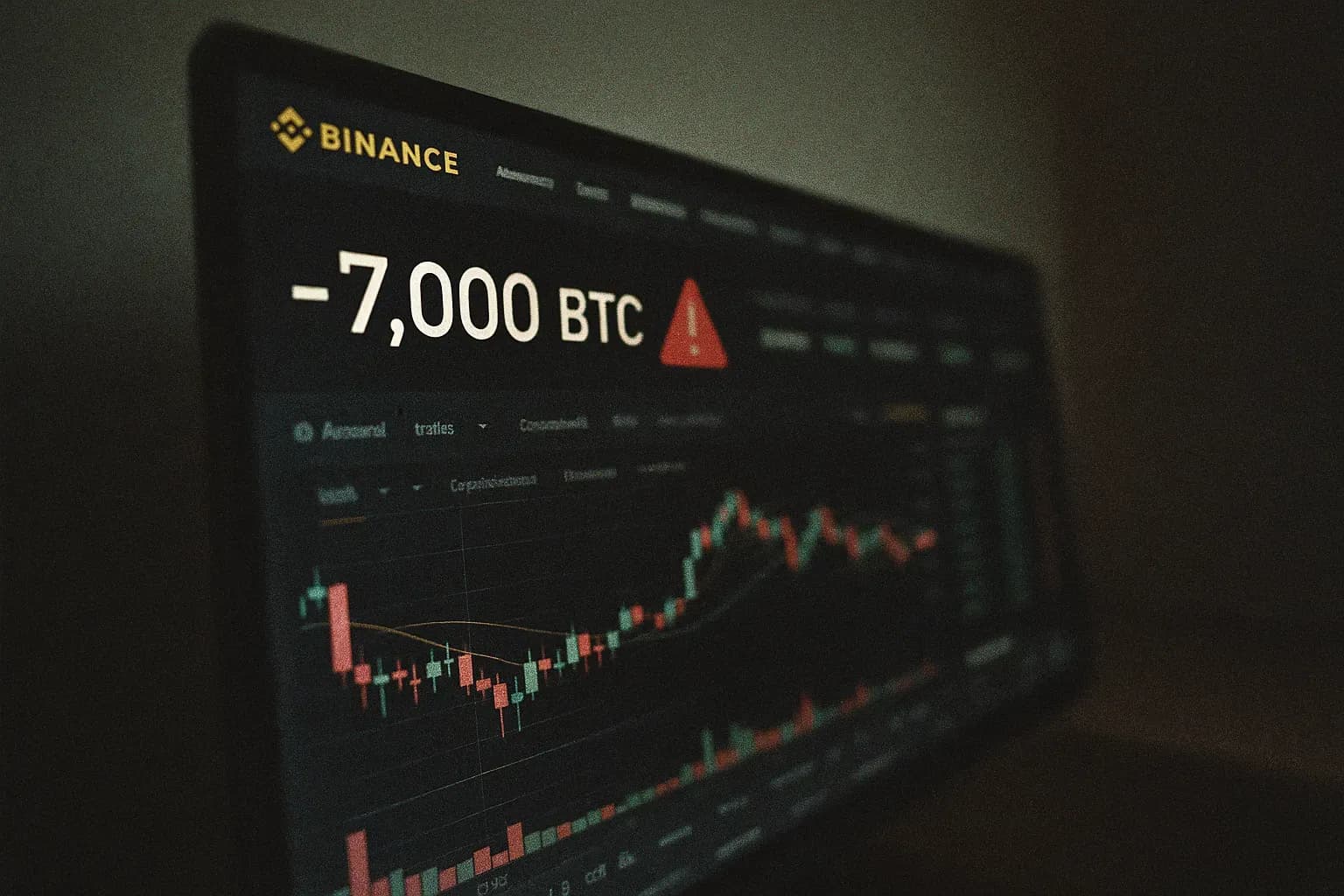
570 Millionen Euro bei Binance-Hack gestohlen
Am 4. Oktober 2022 stahlen Cyberkriminelle rund 570 Millionen Euro von der Kryptobörse Binance. Die Täter nutzten eine Sicherheitslücke in einer Smart-Contract-Brücke aus. Bis heute ist niemand identifiziert.
Die Colombo-Familie: New Yorks brutale Mafia-Organisation
Die Colombo-Familie gilt als eine der rücksichtslosesten Mafia-Organisationen New Yorks. Ihre Geschichte ist geprägt von blutigen Konflikten, Morden und – in jüngerer Zeit – auch Cyberkriminalität.
Credit Suisse überwachte Manager nach Jobwechsel
Die Schweizer Großbank Credit Suisse beauftragte 2019 Privatdetektive, ihren ehemaligen Vermögensverwaltungschef Iqbal Khan nach dessen Wechsel zur Konkurrenzbank UBS zu überwachen. Die illegale Operation führte zu Rücktritten und einem Strafverfahren.

Die DeCavalcante-Familie: FBI gegen die echten Sopranos
Die DeCavalcante-Familie aus New Jersey inspirierte die HBO-Serie 'The Sopranos'. Im Dezember 1999 schlug das FBI zu und verhaftete rund 30 Mitglieder der italienisch-amerikanischen Verbrecherorganisation.
17,3 Millionen Dollar aus Geldtransporter-Tresor geraubt
Am 4. Oktober 1997 stahl David Scott Ghantt als Tresorverantwortlicher gemeinsam mit über 20 Komplizen 17,3 Millionen Dollar aus dem Hochsicherheitstresor von Loomis Fargo in Charlotte, North Carolina.
Mark Karpelès und der Mt. Gox-Zusammenbruch
Mark Karpelès, CEO der Kryptowährungsbörse Mt. Gox, wurde 2019 wegen Fälschung elektronischer Daten verurteilt. 2014 verschwanden 850.000 Bitcoins von der Börse – einer der größten Krypto-Skandale überhaupt.
Plymouth 1962: 1,5 Millionen Dollar in falscher Polizeiuniform
Eine unbekannte Gruppe in gefälschten Polizeiuniformen stoppte 1962 einen Posttransporter auf der Route 3 in Plymouth und erbeutete 127 Postsäcke mit neuen Geldscheinen im Wert von 1,5 Millionen Dollar. Der Fall blieb ungelöst.
7 Millionen Robinhood-Nutzer von Datenpanne betroffen
Am 3. November 2021 infiltrierte ein unbekannter Hacker die US-amerikanische Handelsplattform Robinhood durch Social Engineering und stahl Daten von rund 7 Millionen Nutzern.

610 Millionen Dollar nach Krypto-Hack zurückgegeben
Am 10. August 2021 stahl ein unbekannter Hacker rund 610 Millionen Dollar von der Kryptoplattform Poly Network. Kurz darauf gab er fast den gesamten Betrag zurück – einer der ungewöhnlichsten Fälle der Krypto-Kriminalität.
.webp&w=3840&q=75)
Der größte Kunstraub der USA ist bis heute ungelöst
In der Nacht zum 18. März 1990 drangen zwei als Polizisten verkleidete Männer in das Isabella Stewart Gardner Museum in Boston ein und stahlen 13 Kunstwerke im Wert von einer halben Milliarde Dollar. Darunter: Vermeers 'Konzert' – eines der wertvollsten verschwundenen Gemälde der Welt.